My Summer as an INSPIRE Youth Health Intern

My Summer as an INSPIRE Youth Health Intern

By Diya Kosana

When I joined the INSPIRE Engagement Core this summer, I expected to learn about how communities are engaged in global health research prior to and during a study. What I did not initially realize was the extent of the work that continues after a study is completed.. While publishing research is often viewed as the finish line, I quickly learned that generating evidence is only part of the process. Ensuring that research reaches the people who can use it is just as important as the research itself.

Throughout the summer, I had the opportunity to support dissemination efforts alongside researchers and members of the INSPIRE Youth Advisory Board (YAB). Across the network, dissemination was approached as an essential part of implementation science rather than an afterthought.

Youth-Led Research Dissemination

One example of this work was the YAB’s video dissemination initiative. Each youth member (18-30 years old) developed a video focused on highlighting a research manuscript from their respective PATC3H-IN Clinical Research Center (CRC). By combining scientific evidence with accessible communication, the project demonstrated how youth perspectives can strengthen the way research is shared. During the dissemination period, the 15 YAB-promoted articles accounted for 69.1% of all research article views on the INSPIRE website. Rather than simply communicating findings, the videos encouraged conversations that make research more relevant to the communities it is intended to serve.

Aishat Adedoyin Koledowo, an INSPIRE researcher and co-chair of the YAB, described the experience: “One of the most rewarding parts of co-leading this initiative was seeing young people take ownership of research from their own clinical research centers. They didn’t just explain the findings; they brought them to life in ways that were authentic, relatable, and meaningful for their peers. That experience validated my belief that young people are not just the audience for research; they are powerful partners in sharing it.”

Aishat’s perspective captured what made the initiative different from simply sharing research findings. The youth members were not just receiving information and passing it along. They had an active role in deciding how the research could be communicated in a way that felt accessible and meaningful to others.

Developing a Dissemination Framework

Another part of my work as an intern involved helping develop a research dissemination framework that outlined practical strategies for communicating research across digital platforms such as LinkedIn, Instagram, TikTok, and YouTube. The framework grew out of the work I was doing with the YAB and the broader INSPIRE team, and it helped me think more intentionally about what makes research communication effective.

View the Dissemination Framework 

Developing the framework reinforced that effective dissemination is intentional. It requires presenting evidence in ways that maintain scientific accuracy while also being engaging and accessible to the people who are receiving it. A research finding may be communicated differently in a LinkedIn post than in a short-form video, but the goal remains the same: to make evidence understandable and useful. The framework also highlighted open-access tools that YAB members can use to create graphics, videos, and other materials without needing specialized software.

Dissemination in Practice

The YAB videos provided a practical example of these ideas in action. By translating research manuscripts into short, accessible videos, youth members created another way for research findings to reach audiences beyond traditional academic publications. Below are a few examples of the videos developed through the video dissemination initiative.

Aishat Adedoyin Koledowo | S-ITEST

Hezekiah Samuel | iCARE PLUS

Anele Zulu | ATTUNE

As I continue working with INSPIRE during the academic year, I am excited to build on what I learned this summer and keep supporting dissemination and community engagement efforts. This experience changed how I think about the research process. Instead of seeing publication as the end of a project, I now view it as the start of a much larger journey where collaboration and communication help turn evidence into action.

Finding the Perfect Match: How Speed Dating Sparked Cross-PATC3H-IN Collaborations

Finding the Perfect Match: How Speed Dating Sparked Cross-PATC3H-IN Collaborations

Speed dating for singles may have gone out of style with the rise of dating apps but INSPIRE still sees its value as a matchmaking process for research collaborations. As the implementation science coordinating center for PATC³H-IN, INSPIRE seeks to build synergy through cultivating and supporting collaboration across the network. To leverage shared knowledge and adapt evidence-based practices across new settings, we facilitated a “speed dating” activity for PATC³H-IN clinical research centers at the PATC³H-IN Annual Meeting in Lagos, Nigeria (held 5-7 May 2006).

Members from the eight clinical research centers were paired for three 20-minute rounds of “speed dates.” Instead of discussing hobbies or life goals, these speed daters shared innovative ideas for research collaboration. The ultimate goal was for CRCs to team up — with both early career researchers and more senior researchers represented — to develop new pilot research ideas. The following day, teams pitched their ideas for collaboration in front of the meeting attendees and a panel of judges. Each team had three minutes to present fresh, creative solutions that foster collaboration.

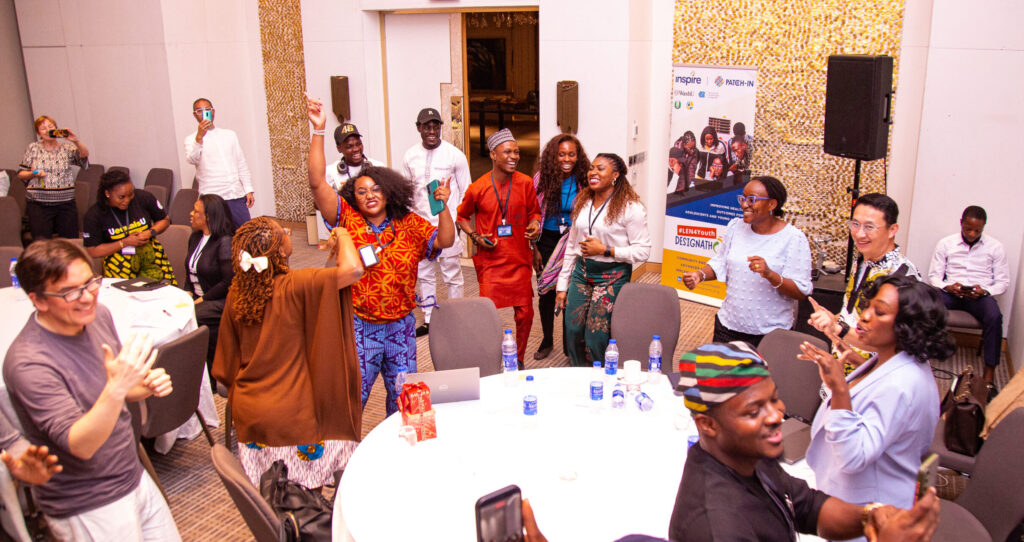
We concluded the annual meeting by announcing the Judge’s Choice and Audience’s Choice awards. As the football (or soccer for the Americans) anthem “Stand Up (For the Champions)” played, the audience erupted in celebration when Synergizing PrEP Delivery took home Judge’s Choice and BriDD won Audience’s Choice. Both winning teams received pilot funding to launch their projects over the next year, while the five remaining partnerships were awarded smaller seed grants to explore their concepts.


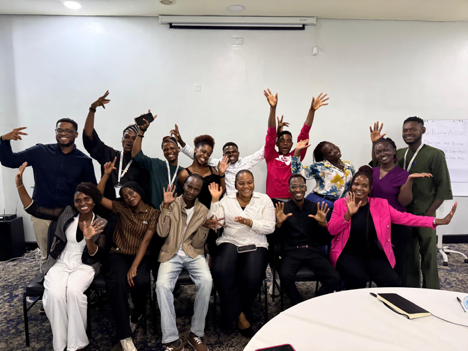
Attendees dance to

 Attendees dance to “Stand Up (For the Champions)” as the winners are announced.


Since the PATC³H-IN Annual Meeting, teams have participated in INSPIRE’s Project Development Bootcamp to hone their research designs, develop community needs assessments, and prepare IRB submissions. Teams will continue to receive coaching and training over the course of the next year as they work to pilot their project ideas.

Read on to learn about each cross-PATC³H-IN team’s pitch.


About the Pitches

Please note that these are the ideas that were pitched at the annual meeting. Projects will be refined and adapted for cost and feasibility.


Synergizing PrEP Delivery | Judge’s Choice

Monica Getahun, Mackfallen Anasel , Asiphas Owaraganise

This strategic cross- CRC collaboration between MWOTAJI and MU-JHU synergizes HIV Pre-Exposure Prophylaxis (PrEP) delivery models across East Africa. The initiative addresses key landscape divergence: while MWOTAJI excels in private-sector, pharmacy-based PrEP delivery models in Tanzania, MU-JHU has encountered reluctance toward pharmacy delivery from Uganda’s Ministry of Health and local stakeholders. Conversely, MU-JHU brings established expertise in community-based models and Long-Acting Injectable (LAI) PrEP. To bridge these gaps, the collaboration leverages MWOTAJI’s data to launch a proof-of-concept pilot in 2–3 Ugandan pharmacies, while MU-JHU facilitates learning workshops to prepare Tanzania for its national LAI-PrEP rollout scheduled for January 2027.

The overarching goal of this cross-pollination is to eliminate research silos, strengthen consortium unity, and provide evidence-based advocacy to inform national health strategies in both countries.


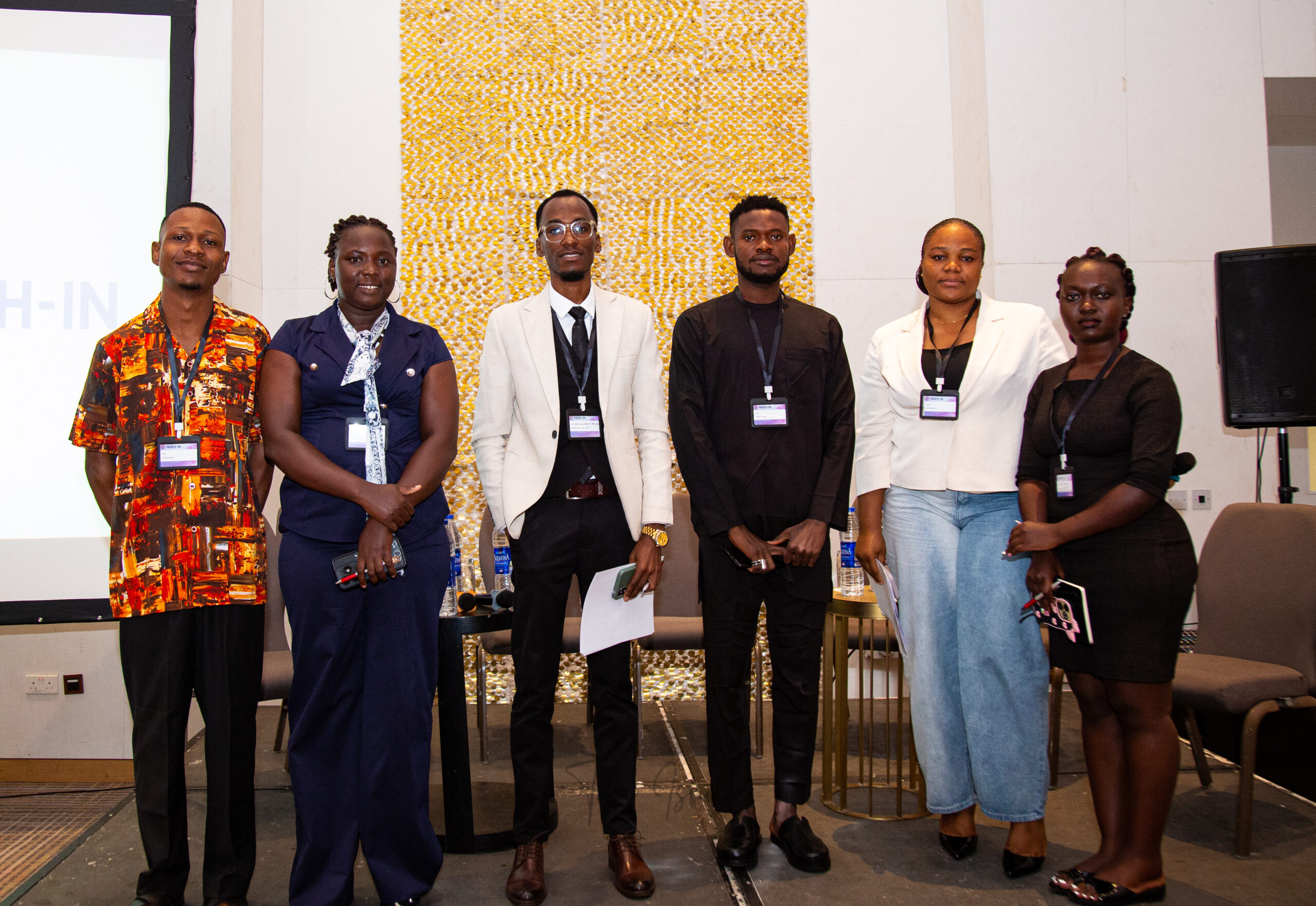
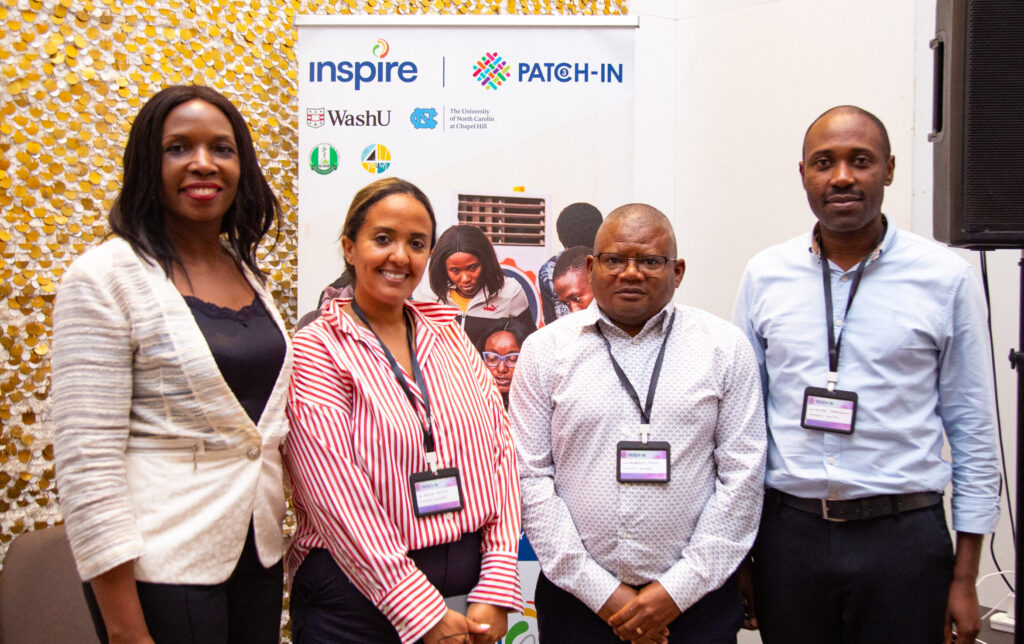
Team Synergizing PrEP Delivery poses after their pitch.

Team Synergizing PrEP Delivery poses after their pitch.


BriDD | Audience’s Choice

Benjamin Kule, Eric Aniekan, George Goji, Rodgers Katwesigye

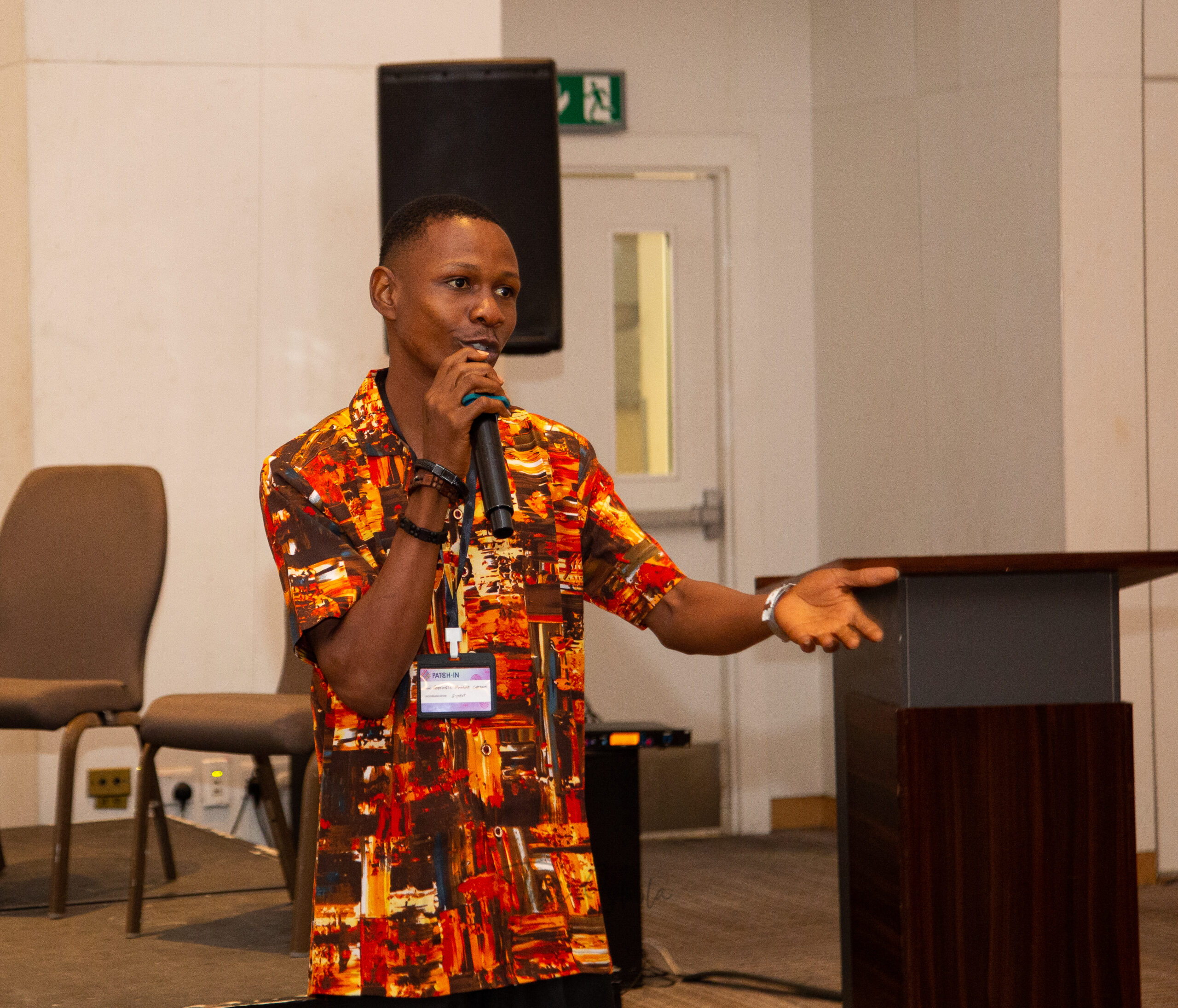
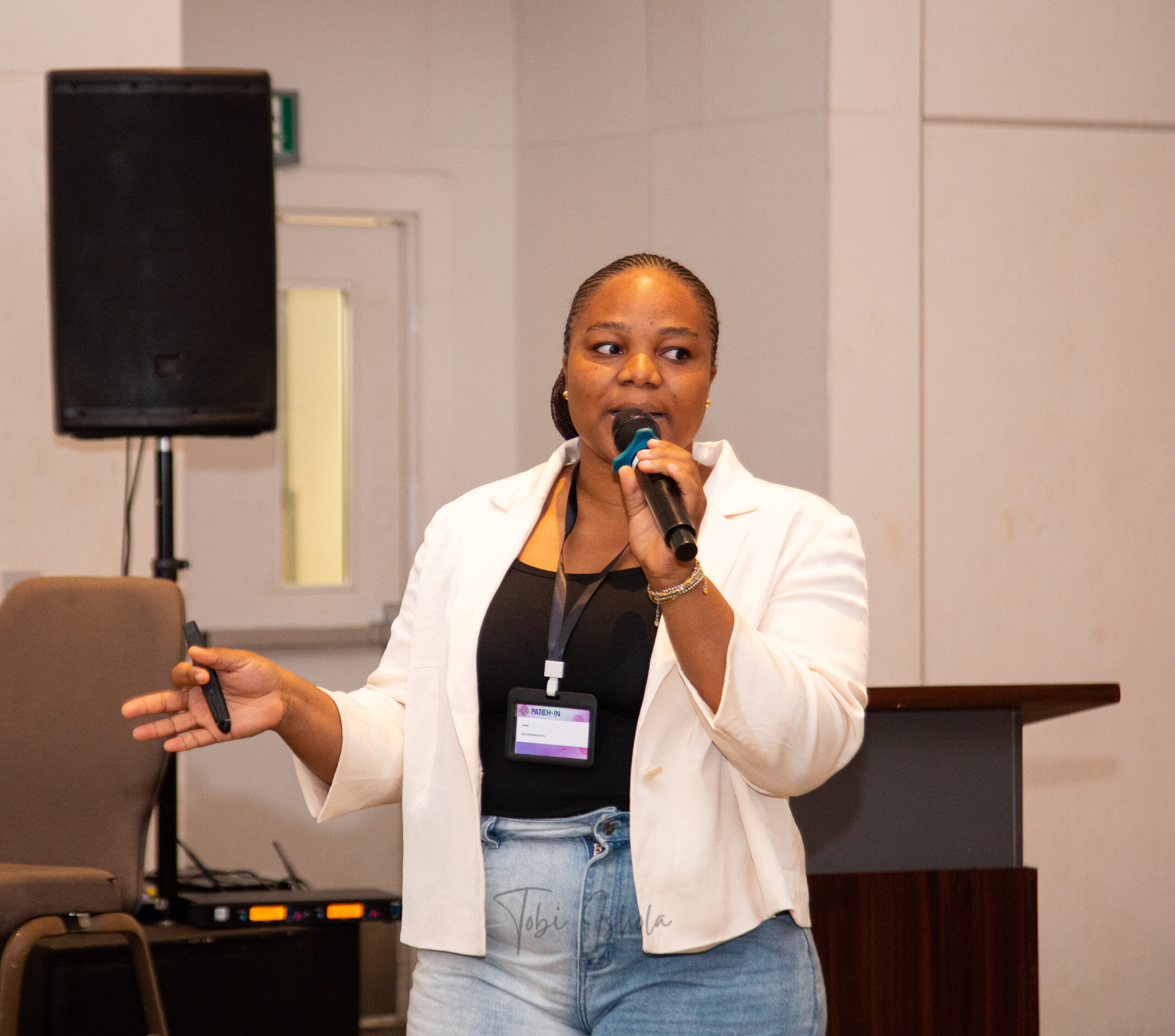
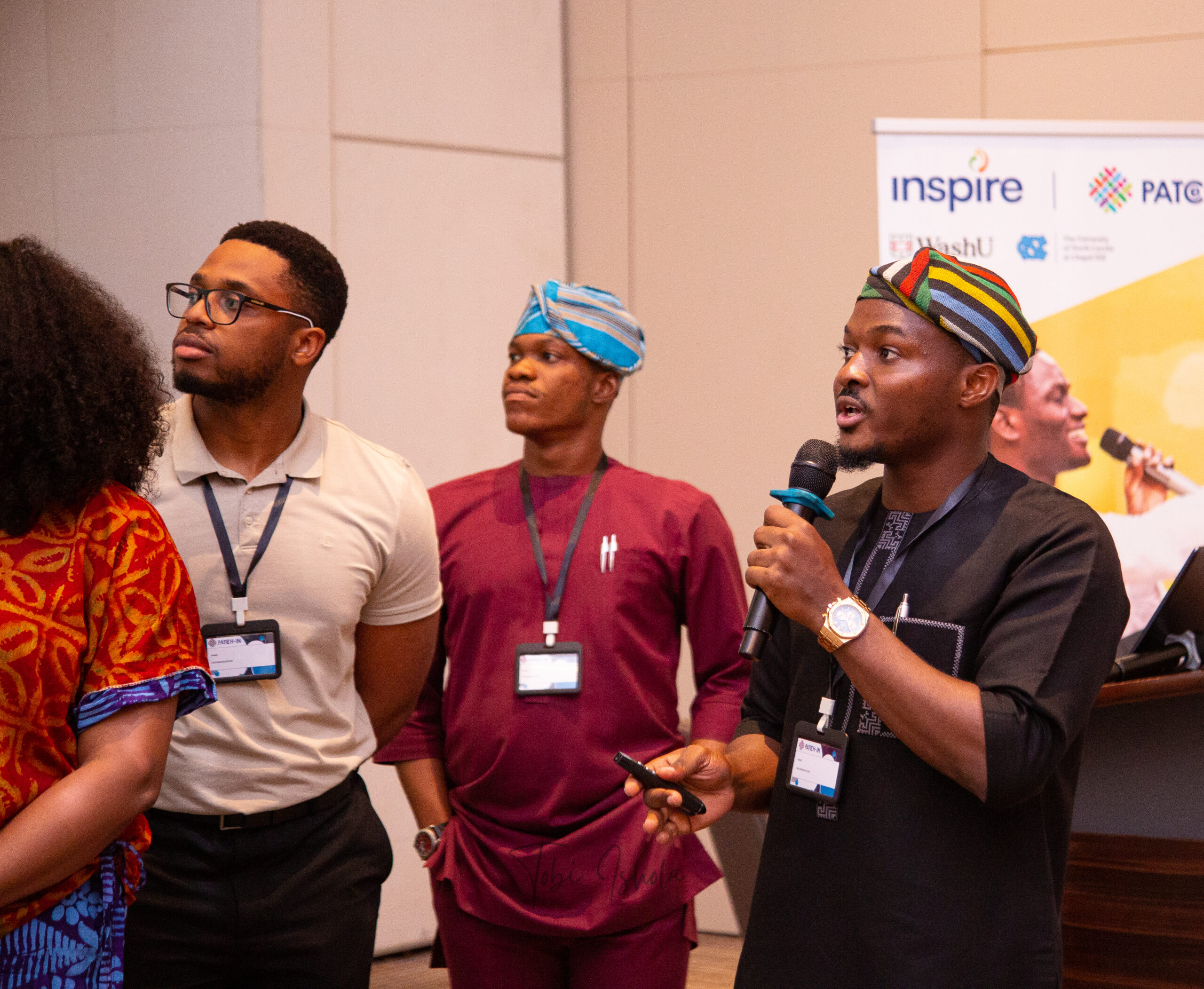
Benjamin Kule presenting the pitch for Team BriDD.

Benjamin Kule presenting the pitch for Team BriDD.

Bridging Design and Delivery (BriDD) is a real-time, youth-centered HIV knowledge exchange initiative developed through a collaboration between iCARE Plus and MU-JHU. While peer navigation is a core component across HIV interventions, execution varies widely across clinical research centers without a shared framework for recruitment, outreach, trust-building, or retention. By combining MU-JHU’s expertise in implementation science with iCARE Plus’s scalable mHealth and peer-navigation systems, the project aims to establish a cross-CRC learning collaboration to standardize and scale effective peer navigation for diverse adolescent and young adult populations.


Through meetings across various communication platforms involving peer navigators, healthcare workers, and community leaders, the team will implement Plan–Do–Study–Act cycles to evaluate and refine practices. Ultimately, the project expects to produce a practical Peer Navigation Best Practices Toolkit for broader use.


RISE-UP

Abdulhammed Babatunde, Kelechi Chima, Abayomi Aka​, Samuel Orok​

RISE-UP is a collaborative project in Nigeria between S-ITEST and RISE aimed at bridging the gap between community-based and digital HIV prevention tools for adolescents and young adults (AYA). While S-ITEST brings a community-rooted model spanning 18 Community-Based Organizations (CBOs), and RISE offers digital mHealth expertise, RISE-UP combines both to create a digitally amplified, community-embedded model. The initiative seeks to adapt the RISE mobile app using co-design methods to include general and authorization-gated key population forums, non-health engaging content (such as skills and entertainment), and integrated mental health support into S-ITEST’s existing “nurturer-led” CBO structure.

The project will deploy the adapted app across six CBO sites in Lagos and Abuja, Nigeria. Trained CBO nurturers will act as digital navigators, providing tablet access during group sessions for youth without personal smartphones. Using a 12-week pilot, the study will measure primary outcomes including app feature engagement, HIV self-testing uptake, PrEP referrals, and mental health service utilization while evaluating community drivers and barriers to sustained digital engagement.


Team ZamTest

Aishat Adedoyin Koledowo, Godswill Nwoha, Lateef Akeem Blessing, Gift Adelaja, Stella Chiyonga

Team ZamTest’s proposes to integrate mental health services into existing HIV/STI care through a collaborative mother-daughter dyadic model between S-ITEST (Nigeria) and ZAIMARA (Zambia). The initiative combines S-ITEST’s extensive network of community-based organizations and peer support infrastructure across Nigeria with ZAIMARA’s proven intergenerational dyad framework and mental health-embedded curriculum. By combining these strengths, the teams seek to test a novel, two-country approach that delivers mental health screening, brief counseling, and referrals alongside HIV/STI information and PrEP discussions.

The project timeline spans initial protocol development and tool adaptation, pilot implementation, and data analysis with reporting. Key primary endpoints focus on measuring the feasibility, acceptability, screening coverage, service linkage, and mental health symptom reduction within each dyad delivery channel, alongside evaluating HIV/STI testing and PrEP uptake among adolescent girls and young women.


The Influencers

Anele Zulu​, Raine Renatus​, Jackie Colonery​, Yolanda Mayman​, Charné Petinger

The Influencers is a collaborative, youth-led activations campaign between the ATTUNE and MWOTAJI CRCs to transform youth culture into an interactive HIV engagement platform. Aimed at young people aged 15 to 24, the initiative combines peer navigation, music culture, and digital storytelling to boost HIV awareness, prevention literacy, stigma reduction, and treatment engagement. The campaign centers on launching live cultural/music events led by youth ambassadors and peer navigators, which then seed a youth-designed TikTok challenge where participants create short-form content around key HIV health modules.

By leveraging social media and live events, the project seeks to move CRCs out of isolated silos to share ideas, identify commonalities, and foster a deeper understanding of youth attitudes toward accessing HIV care.


IMARA-HMP

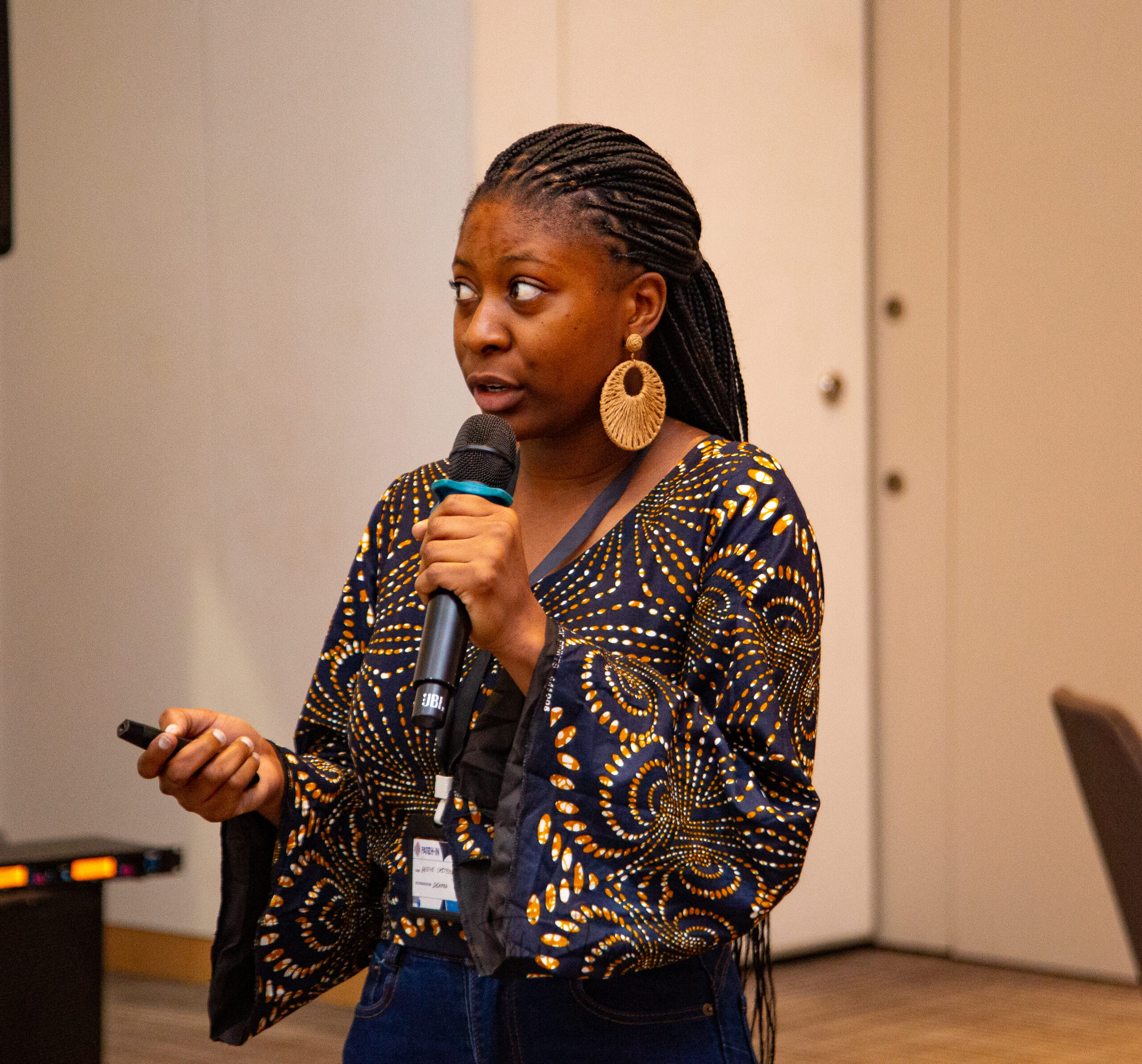
Beene Chitempa, Olawole Ayorinde​, Tukiya Kanguya​, Collins Obi, Oluwatayo Damilola​

IMARA-HMP is a digital platform designed to bridge communication between adolescents and caregivers while combining sexual and reproductive health, mental health, substance use support, and emotional wellbeing. Addressing the gap in existing digital interventions—which often silo youth groups and exclude caregivers—IMARA-HMP provides an inclusive, adaptive ecosystem. Grounded in collaboration between ZAIMARA and RISE, the initiative utilizes an AI-Guided Conversation Coach, personalized pathways, mood tracking, depression screenings, and dual-user caregiver-adolescent profile syncing to facilitate open, non-judgmental dialogue around sensitive topics.

The project employs the ADAPT-ITT framework to adapt the platform across diverse youth demographics and aims to evaluate its feasibility, acceptability, and impact on family communication skills in Zambia and Nigeria. IMARA-HMP delivers a cost-effective, culturally relevant solution that strengthens family dynamics and adolescent health outcomes.


VIDA

Mwamba Mwenge, Hannah Nancy Nkhoma​, Asima U. Kapalepale​

Video Intervention for Daughters’ Adherence & prevention (VIDA) is a joint initiative between VS4A and ZAIMARA designed to leverage family support for adolescent girls across the HIV care continuum. Answering the World Health Organization’s 2024 call for combined prevention, treatment, and care programming, VIDA provides a single, HIV-status neutral framework that adapts to both HIV-negative and HIV-positive adolescent girls. The project brings together complementary strengths by combining ZAIMARA’s rigorous communication demonstrations with VS4A’s scalable, engaging video delivery into one efficient, cost-effective model.

The initiative involves co-creation workshops that produce a unified video library and training curriculum, branching into two distinct tracks following HIV testing: a Prevention Track focusing on healthy relationships, condom use, HIV testing, and mental health screening/referral and an Adherence Track focusing on family pill reminders, clinic visits, adherence barrier management, and mental health support.

Strengthening HIV Prevention and Care for Adolescents and Young Adults Across Africa: The PATC³H-IN Network

Strengthening HIV Prevention and Care for Adolescents and Young Adults Across Africa: The PATC³H-IN Network

Over the past few decades, the world has made major progress in the fight against HIV. Advances in prevention, testing, and treatment have transformed HIV from a life-threatening disease into a condition that can be managed with the right care and support.

Yet, many adolescents and young adults are still not benefiting equally from these advances, especially in sub-Saharan Africa, where the burden of HIV remains high.

Young people between the ages of 15 and 24 continue to face challenges when it comes to HIV prevention, testing, treatment, and long-term care. Many are less likely to get tested, remain in care, or consistently take medication. In some communities, stigma, limited access to youth friendly services, and lack of support continue to create barriers to care.

A recent study titled “Strengthening implementation science research to improve adolescent and young adult HIV prevention and care in Sub-Saharan Africa: PATC³H-IN” explores how researchers and health partners across Africa are working to address these challenges in more practical and community focused ways.

At its core, implementation science focuses on understanding how proven health solutions can work better in real-world settings and communities.

Turning Research into Real World Impact

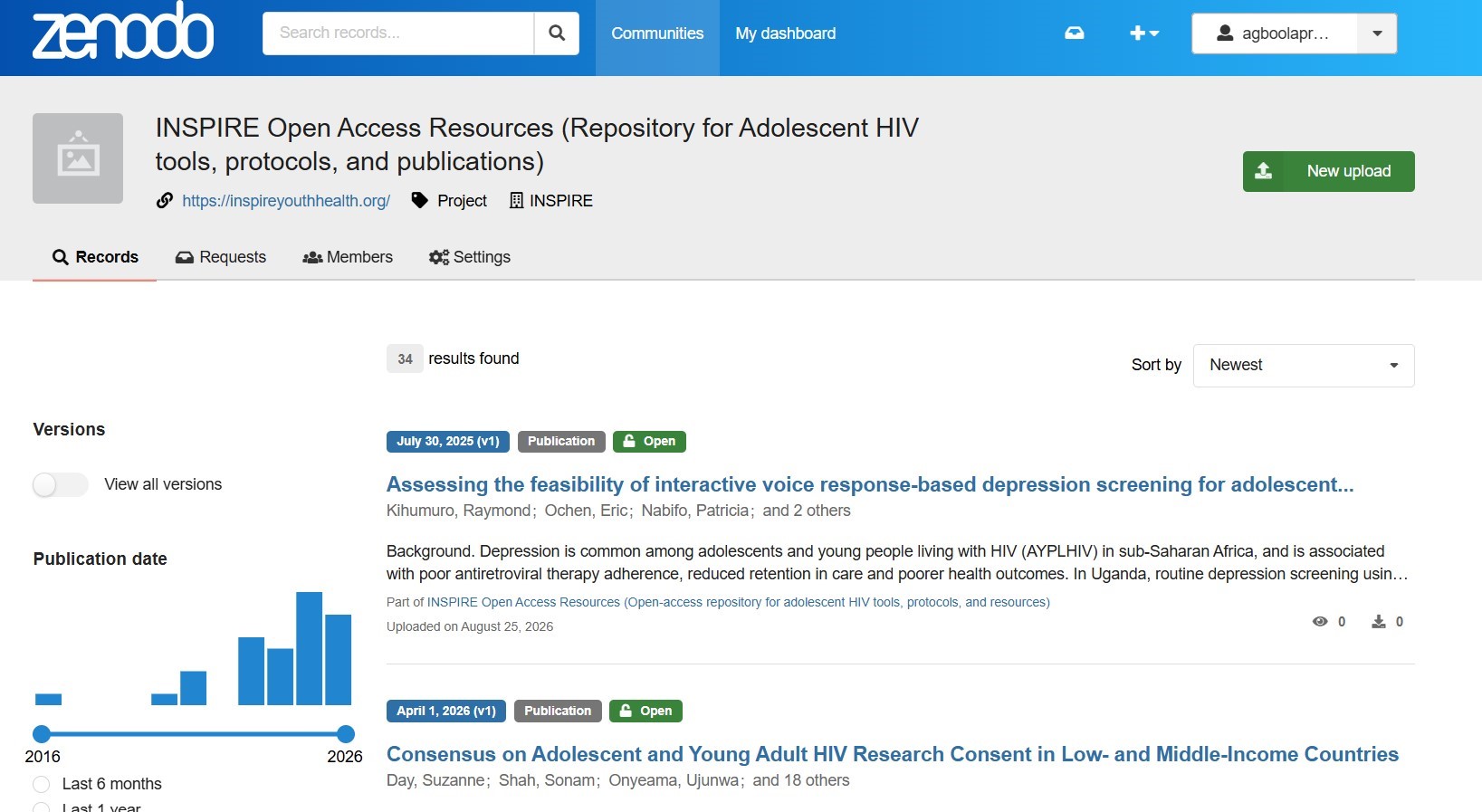
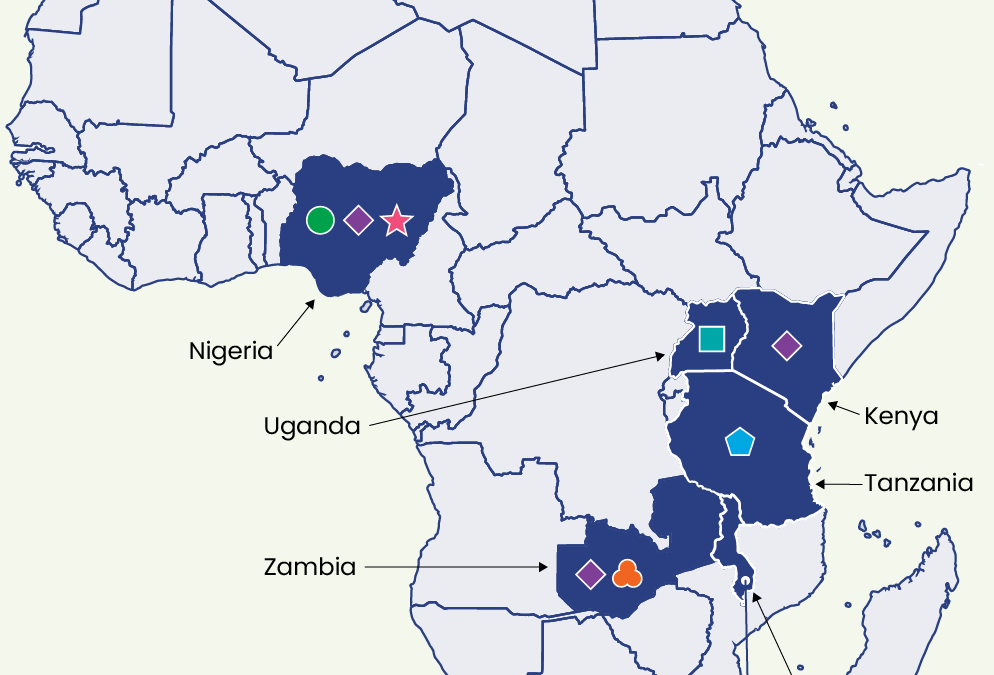
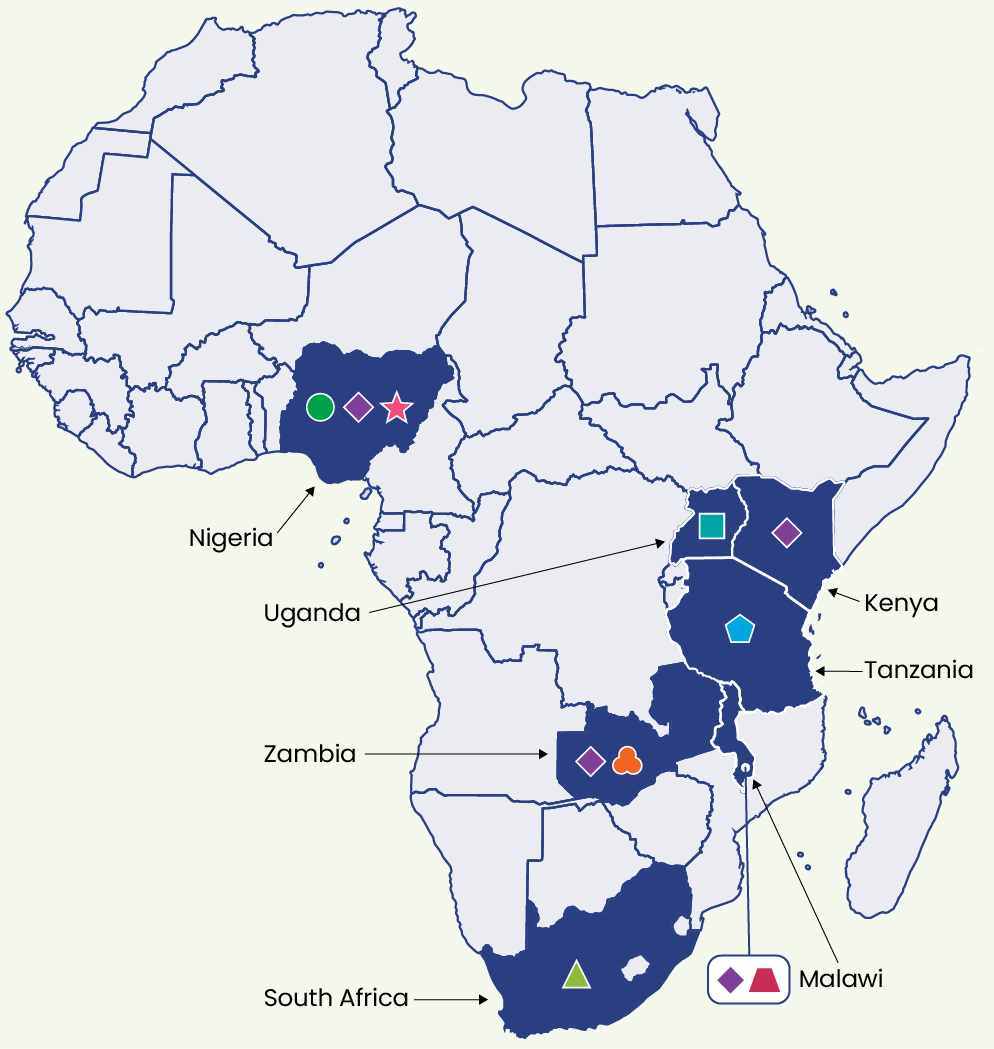
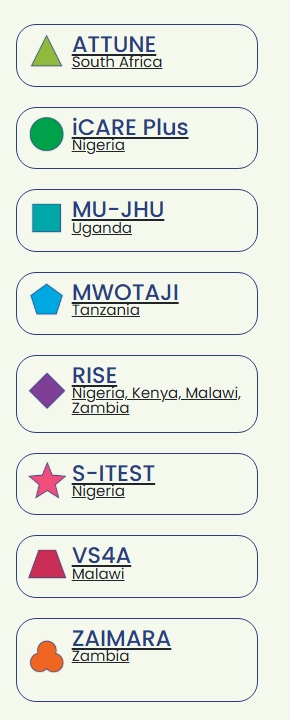
At the center of this effort is the PATC³H-IN network, a collaboration involving eight Clinical Research Centers across six African countries (figure 1). The network was created to improve how HIV prevention and care services are delivered to adolescents and young adults living in resource constrained settings.


Figure 1. Screenshot of the PATC³H-IN Network homepage. Source: PATC³H-IN Website Homepage

What makes this initiative important is its focus not only on discovering solutions, but also on understanding how to make existing interventions more effective in everyday life. A healthcare program may work well in research settings but still struggle in communities facing stigma, limited healthcare access, or economic challenges.

The PATC³H-IN network aims to close this gap by studying how HIV services can be adapted and delivered more effectively across different communities.

Testing New Approaches Across Africa

The network includes projects in Nigeria, Uganda, Malawi, South Africa, Zambia, and Tanzania. Each research center focuses on specific challenges affecting young people in their communities.

Some projects focus on improving HIV prevention among adolescent girls and young women, while others support young people already living with HIV to improve treatment adherence and long-term care. Several projects also focus on key populations, including sexual and gender minority youth, who often face additional barriers to healthcare access.

Across the network, researchers are testing a variety of approaches designed to improve health outcomes for young people. Some projects use peer support systems, where young people help guide others through HIV testing and treatment services. Others use digital tools such as mobile platforms and video-based counseling interventions to improve engagement and access to care

There are also efforts to make healthcare spaces more welcoming and youth friendly. In some settings, projects are working directly with healthcare workers, pharmacies, and local communities to reduce stigma and improve trust between young people and healthcare providers.

Putting Young People at the Center

One of the most important parts of the PATC³H-IN network is its focus on involving young people directly in the research process. Instead of treating adolescents and young adults only as participants, many of the projects actively engage them in shaping the design and direction of the work.

Young people are helping researchers understand what barriers exist in their communities, what kinds of services feel accessible and supportive, and what changes are needed to improve care. The network also established a youth advisory board with representatives from different research centers to guide activities across the program.

This level of engagement matters because programs designed with young people are more likely to reflect real needs and gain community acceptance.

Why Collaboration Matters

Another major strength of the network is collaboration. By working across multiple countries and research centers, teams are able to learn from one another and share ideas in real time. Researchers can compare strategies across different settings and identify what works best under different circumstances.

The study also highlights the importance of adapting health interventions to local contexts. A strategy that works well in one setting may need adjustments before it can succeed somewhere else. Cultural differences, health systems, and community attitudes all influence how healthcare programs are received and implemented.

Beyond improving HIV care, the network is also helping strengthen research capacity across Africa by supporting collaboration between researchers, healthcare providers, policymakers, and young people.

Moving Closer to Ending the HIV Epidemic

The work being done through PATC³H-IN reflects a broader shift in global health thinking. More attention is now being given to community engagement, local leadership, and practical solutions that fit the realities of people’s lives.

The study makes one thing clear. Scientific discoveries alone are not enough to end the HIV epidemic. Success also depends on how well those discoveries are delivered, adapted, and sustained within communities.

The tools to prevent and treat HIV already exist. The challenge now is making sure they reach adolescents and young adults in ways that are accessible, effective, and responsive to their needs.

Efforts like the PATC³H-IN network are helping move the world closer to that goal. For millions of young people across Africa, initiatives like this could help turn scientific progress into real and lasting impact.

Learn More

This blog post is based on the study “Strengthening implementation science research to improve adolescent and young adult HIV prevention and care in Sub-Saharan Africa: PATC³H-IN” published in BMC Public Health. Readers interested in the full research can access the original publication here: https://doi.org/10.1186/s12889-025-24995-0

Announcing the Phoenix Open Call Top 20 Winners: Voices Shaping the Future of HIV Service Sustainability

Announcing the Phoenix Open Call Top 20 Winners: Voices Shaping the Future of HIV Service Sustainability

How can we best sustain HIV services in resource-constrained settings? This was the simple question behind the Phoenix Open Call.

What followed went far beyond answers — it revealed lived experience, practical innovation, and community-driven vision from across the globe.

We received 422 submissions from 34 countries, each reflecting the realities of young people and community leaders working tirelessly to keep HIV services running, often amid shrinking resources, fragile health systems, and shifting donor priorities. Together, these submissions demonstrated both the scale of the challenge and the ingenuity already present within communities

The Phoenix Open Call was designed to surface and amplify solutions that protect existing HIV services, minimize disruptions, and strengthen community and local leadership. The ideas we received affirmed the importance of investing in people closest to the problem, and the solution.

Meet the Top 20 Winners

After a rigorous review process, we are pleased to announce the Top 20 Winners of the Phoenix Open Call. Submissions were evaluated based on their relevance to the challenge, clarity and conciseness, innovation and practicality, feasibility and scalability, and their commitment to equity and meaningful community engagement. Special emphasis was placed on solutions grounded in real-world experience, lessons learned, and evidence-informed approaches that can be adapted across diverse settings.

Common Themes

Across regions and contexts, several shared themes emerged. Many finalists proposed locally grounded models that reduce reliance on external funding, including community-driven revenue generation and cost-sharing approaches. Others emphasized peer-led distribution and support networks that lower patient costs and improve continuity of care. Several submissions also highlighted innovative incentive structures to retain health workers when formal systems struggle.

Collectively, these ideas reflect a shift toward resilience, adaptability, and community ownership.

What’s Next

The Top Four Winners will be recognized at the PATC³H-IN Conference in Lagos, Nigeria, where they will present their ideas during a panel session and engage with policymakers, funders, and collaborators. These finalists will receive full conference sponsorship, including airfare, accommodation, and visa costs.

All 20 finalists will receive cash awards ranging from $400 to $1000. Additionally, all eligible participants will receive certificates of participation in recognition of their contributions.

The Phoenix team is also working on a manuscript based on the analysis of data generated through this global crowdsourcing open call. This manuscript will examine cross-cutting insights, implementation strategies, and emerging patterns from submissions across regions, with the aim of contributing to the evidence base on sustaining HIV services in resource-constrained settings.

Thank you

We extend our sincere appreciation to the individuals and teams whose submissions did not make the final 20. The review process involved difficult decisions, and every submission contributed meaningfully to our collective understanding of what sustainable HIV service delivery can look like across diverse settings.

We are deeply grateful to the Phoenix Open Call steering committee, organizing team, judges, and our partner organizations—INSPIRE, SESH, LIGHT, AVAC, 4Youth By Youth, NIMR, and PATC³H-IN, whose collective effort made this initiative possible.

Co-Creating Change: Reflections from INSPIRE Finalists in Montreal

Co-Creating Change: Reflections from INSPIRE Finalists in Montreal

Guest Authors: Jo-Ann Caberoy (Philippines) and William Muthama (Kenya), INSPIRE Youth Co-creation Open Call Finalists

At the STI & HIV World Congress 2025 in Montreal, Canada, INSPIRE finalists joined a global co-creation workshop that brought together researchers, youth advocates, and communities to explore new ways of addressing sexual and reproductive health challenges. For INSPIRE, this was a proud moment, seeing young leaders not only participate but shape conversations on how inclusive, youth-driven solutions can take root.

The reflections of these finalists capture the spirit of collaboration, storytelling, and shared power that defined the workshop. This piece brings their voices together to highlight the lessons they learned, their personal experiences, and why co-creation is central to building more sustainable health solutions.

Why co-creation matters

Too often, sexual health interventions are designed for communities rather than with them. Both finalists agreed that the workshop challenged this traditional model by positioning youth and people with lived experiences as active co-creators.

One finalist explained, “Communities, including youth, co-define what matters. Lived experiences are treated as expertise. Solutions are developed and owned together. It’s not just engagement—it’s power-sharing.” For them, co-creation represented more than participation, it was about genuine collaboration and equitable partnerships that give young people the opportunity to lead.

Lessons from Montreal

The workshop unfolded in three parts: opening presentations and panel discussions, hands-on co-creation activities, and finally, refining the draft TDR/UNICEF practical guide on youth co-creation in health research. This design ensured that participants were not passive listeners but active contributors throughout.

For one finalist, authenticity stood out as a central value, “Personal stories and lived experiences enriched every conversation. Asking the right questions fostered genuine participation, not just token engagement.”

Another finalist noted how the Congress as a whole was a turning point in how young people are seen, “It was inspiring to see young people recognized not just as vulnerable groups, but as innovators and active partners in health solutions. The workshop showed that co-creation can and should be integrated even into traditionally hierarchical fields like HIV programming.” These reflections underline how co-creation is not just a method but a mindset shift, one that insists on valuing diverse voices and creating equitable space for dialogue.

The power of storytelling

Both finalists emphasized the transformative role of storytelling. One, who founded Youth Pulse in Kenya, shared how the co-creation approach deepened their belief in the power of stories to shift narratives, “In my work as a journalist, I’ve always believed in the power of storytelling, not just to inform, but to spark change. At Youth Pulse, storytelling is no longer a one-sided report—it’s a collaborative tool, letting young people shape their own stories.” This message resonated across the workshop, where stories from different cultural and professional backgrounds highlighted a shared question: How do we build solutions that truly reflect the people they’re meant to serve?

Collaboration and community spirit

Beyond structured sessions, the workshop fostered friendships and a spirit of collective action. Participants left not only with new insights but also with solidarity that transcended borders. “It was comforting to know that despite our diversity, we understood that working with people, especially those with lived experience requires openness and humility. We ended the day with new ideas and new friends rallying together against STIs and HIV,” one finalist recalled. This spirit of community was perhaps one of the most impactful outcomes. It showed that co-creation is not just about producing outputs, it is about building networks of trust and collaboration that continue long after the workshop ends.

Looking ahead

For both finalists, Montreal was not an endpoint but a beginning. One finalist left motivated to expand co-creation beyond mental health to sexual and reproductive health, youth civic engagement, and media production. “They say youth are the future, but co-creation taught me we are already the present. If given the space, tools, and respect, we don’t just contribute, we lead the way.”

The other finalist called the workshop “more than just a workshop—it’s a movement,” emphasizing the need to continue building participatory approaches in health research and advocacy. “We look forward to the outcomes of our sessions, which will contribute to enhancing community engagement and co-creating inclusive STI campaigns led by young people.”

Taken together, these reflections underline a powerful truth: co-creation transforms the way health challenges are addressed by valuing lived experiences, fostering authentic collaboration, and amplifying youth leadership. The STI & HIV World Congress 2025 Co-creation workshop was not just a space for dialogue, it was proof that when young people are given the opportunity to co-create, they bring innovation, resilience, and solutions that can reshape the future of global health.