
Written by Progress Agboola
Over the past few decades, the world has made major progress in the fight against HIV. Advances in prevention, testing, and treatment have transformed HIV from a life-threatening disease into a condition that can be managed with the right care and support.
Yet, many adolescents and young adults are still not benefiting equally from these advances, especially in sub-Saharan Africa, where the burden of HIV remains high.
Young people between the ages of 15 and 24 continue to face challenges when it comes to HIV prevention, testing, treatment, and long-term care. Many are less likely to get tested, remain in care, or consistently take medication. In some communities, stigma, limited access to youth friendly services, and lack of support continue to create barriers to care.
A recent study titled “Strengthening implementation science research to improve adolescent and young adult HIV prevention and care in Sub-Saharan Africa: PATC³H-IN” explores how researchers and health partners across Africa are working to address these challenges in more practical and community focused ways.
At its core, implementation science focuses on understanding how proven health solutions can work better in real-world settings and communities.
Turning Research into Real World Impact
At the center of this effort is the PATC³H-IN network, a collaboration involving eight Clinical Research Centers across six African countries (figure 1). The network was created to improve how HIV prevention and care services are delivered to adolescents and young adults living in resource constrained settings.
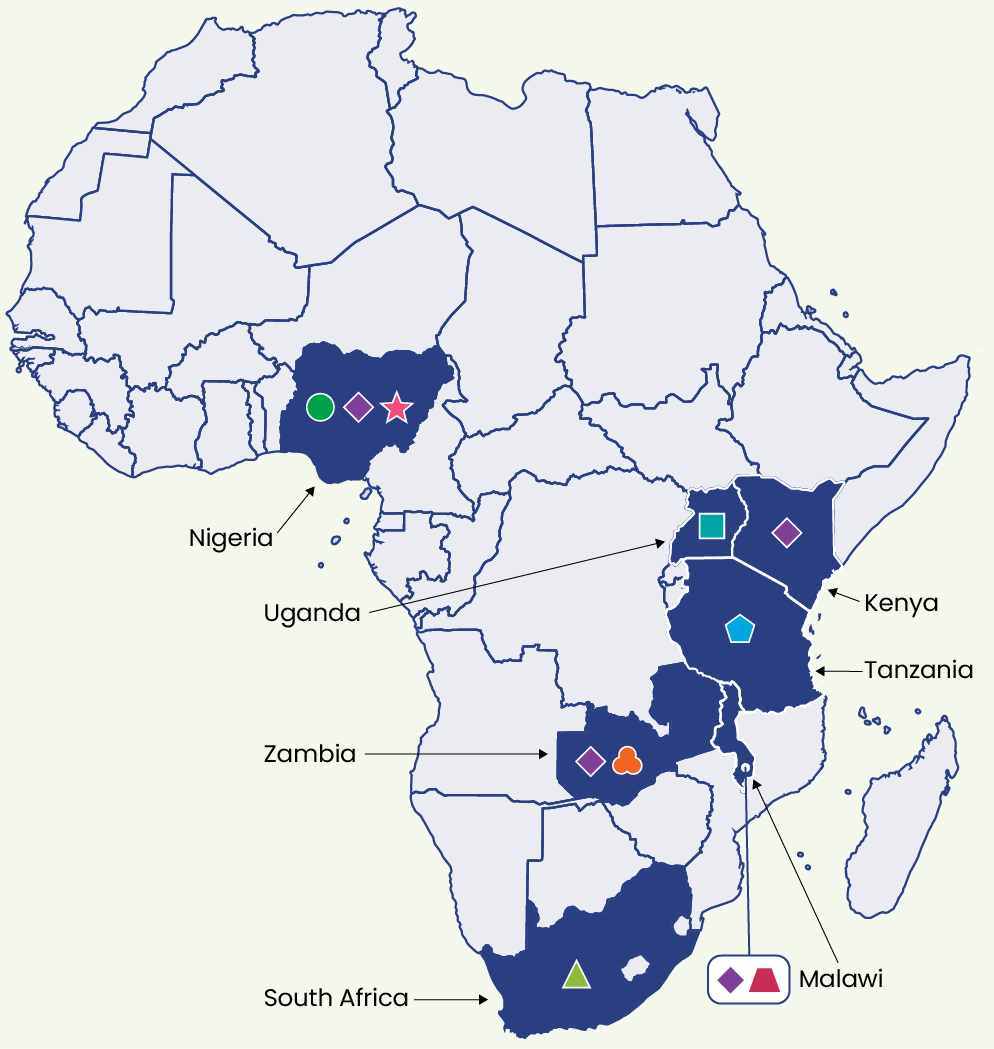
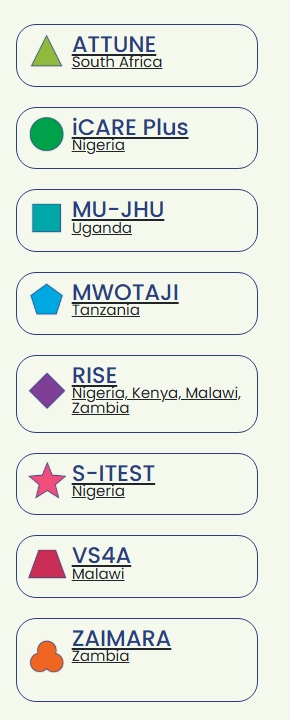
Figure 1. Screenshot of the PATC³H-IN Network homepage. Source: PATC³H-IN Website Homepage
What makes this initiative important is its focus not only on discovering solutions, but also on understanding how to make existing interventions more effective in everyday life. A healthcare program may work well in research settings but still struggle in communities facing stigma, limited healthcare access, or economic challenges.
The PATC³H-IN network aims to close this gap by studying how HIV services can be adapted and delivered more effectively across different communities.
Testing New Approaches Across Africa
The network includes projects in Nigeria, Uganda, Malawi, South Africa, Zambia, and Tanzania. Each research center focuses on specific challenges affecting young people in their communities.
Some projects focus on improving HIV prevention among adolescent girls and young women, while others support young people already living with HIV to improve treatment adherence and long-term care. Several projects also focus on key populations, including sexual and gender minority youth, who often face additional barriers to healthcare access.
Across the network, researchers are testing a variety of approaches designed to improve health outcomes for young people. Some projects use peer support systems, where young people help guide others through HIV testing and treatment services. Others use digital tools such as mobile platforms and video-based counseling interventions to improve engagement and access to care
There are also efforts to make healthcare spaces more welcoming and youth friendly. In some settings, projects are working directly with healthcare workers, pharmacies, and local communities to reduce stigma and improve trust between young people and healthcare providers.
Putting Young People at the Center
One of the most important parts of the PATC³H-IN network is its focus on involving young people directly in the research process. Instead of treating adolescents and young adults only as participants, many of the projects actively engage them in shaping the design and direction of the work.
Young people are helping researchers understand what barriers exist in their communities, what kinds of services feel accessible and supportive, and what changes are needed to improve care. The network also established a youth advisory board with representatives from different research centers to guide activities across the program.
This level of engagement matters because programs designed with young people are more likely to reflect real needs and gain community acceptance.
Why Collaboration Matters
Another major strength of the network is collaboration. By working across multiple countries and research centers, teams are able to learn from one another and share ideas in real time. Researchers can compare strategies across different settings and identify what works best under different circumstances.
The study also highlights the importance of adapting health interventions to local contexts. A strategy that works well in one setting may need adjustments before it can succeed somewhere else. Cultural differences, health systems, and community attitudes all influence how healthcare programs are received and implemented.
Beyond improving HIV care, the network is also helping strengthen research capacity across Africa by supporting collaboration between researchers, healthcare providers, policymakers, and young people.
Moving Closer to Ending the HIV Epidemic
The work being done through PATC³H-IN reflects a broader shift in global health thinking. More attention is now being given to community engagement, local leadership, and practical solutions that fit the realities of people’s lives.
The study makes one thing clear. Scientific discoveries alone are not enough to end the HIV epidemic. Success also depends on how well those discoveries are delivered, adapted, and sustained within communities.
The tools to prevent and treat HIV already exist. The challenge now is making sure they reach adolescents and young adults in ways that are accessible, effective, and responsive to their needs.
Efforts like the PATC³H-IN network are helping move the world closer to that goal. For millions of young people across Africa, initiatives like this could help turn scientific progress into real and lasting impact.
Learn More
This blog post is based on the study “Strengthening implementation science research to improve adolescent and young adult HIV prevention and care in Sub-Saharan Africa: PATC³H-IN” published in BMC Public Health. Readers interested in the full research can access the original publication here: https://doi.org/10.1186/s12889-025-24995-0