When Data Isn’t Enough: Listening to Youth Living With HIV

When Data Isn’t Enough: Listening to Youth Living With HIV

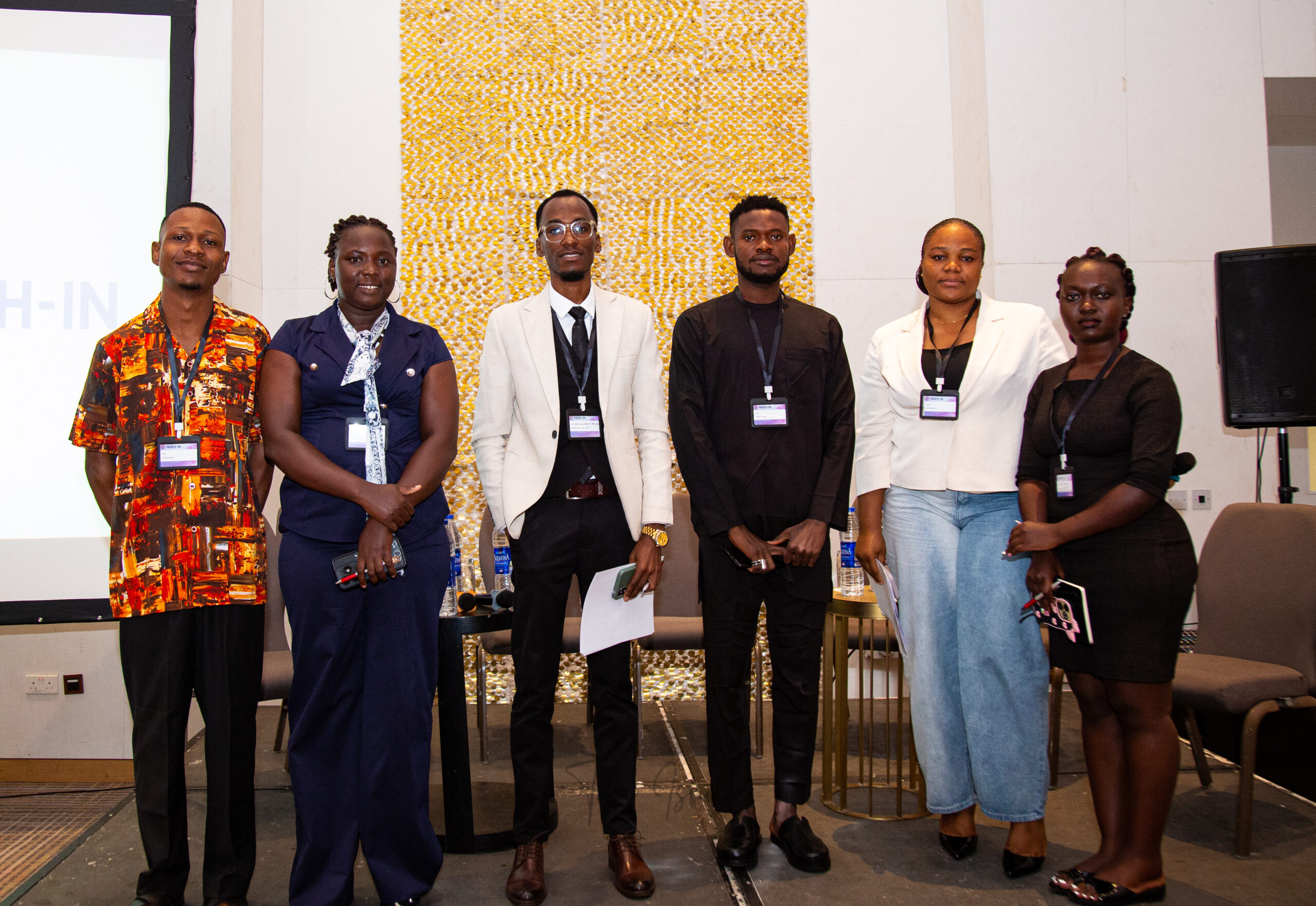
Written by: Damilola Ayowole, Temitope Oluwadare, Soneye Islamiat & Azees Ayotunde | Team Abeokuta, Nigeria

We have spent years working with numbers, prevalence rates, treatment coverage, viral suppression targets. Data shapes how we understand HIV, how we design programs, and how we measure success. Yet, during the designathon that birthed HIV-In-Colors, we confronted a difficult truth: data alone does not tell the full story of adolescents and young people living with HIV.

That realization became both the greatest challenge and the most important lesson of this project.


The challenge: when evidence feels incomplete

As public health physicians, we are trained to trust evidence. Surveys, indicators, and clinical outcomes guide our decisions. But as we began designing HIV-In-Colors, we felt an uncomfortable gap between what the data said and what young people actually lived.

The numbers told us that adolescents were on treatment. They did not tell us how it felt to hide medication from friends, to fear disclosure at school, or to internalize stigma long after a clinic visit ended. The data showed retention rates; it did not show shame, silence, or resilience.

At the designathon, our initial instinct was to “strengthen psychosocial support” in familiar ways, add counseling sessions, integrate screening tools, train providers. These ideas were evidence-based, but they were also top-down. We were designing for young people, not with them.

That was our first major challenge: unlearning professional certainty.


Learning to listen differently

The designathon forced us to slow down and listen, not through questionnaires, but through stories. Conversations with fellow participants, mentors, and youth advocates pushed us to ask a different question: What if young people could show us their experiences instead of explaining them?

That question reshaped the project.

Photovoice emerged not simply as a research method, but as a listening tool we needed to learn. The idea that adolescents could use images to document stigma, hope, isolation, or healing shifted the balance of power. Instead of extracting information, we created space for expression.

This approach challenged us deeply. As researchers, we value structure, defined tools, measurable outcomes, clear endpoints. Photovoice resists rigidity. It is emotional, unpredictable, and deeply personal. It demanded trust: trust in participants, trust in the process, and trust that meaning could emerge without being forced.

The designathon lesson: Youth are not just beneficiaries

One of the most powerful lessons from the designathon was realizing that youth expertise is not symbolic, it is practical. When adolescents and young people living with HIV became central to the design conversation, the intervention evolved in ways we had not anticipated.

Healing circles, for example, were initially framed as group therapy sessions. Youth feedback transformed them into something broader: safe, recurring spaces for shared silence, laughter, anger, and belonging. The emphasis shifted from “intervention delivery” to community formation.

We learned that stigma is not only external. Many young people spoke about stigma they had absorbed into their self-identity. No survey captured that adequately. Their stories did.

Listening also revealed constraints we might otherwise have overlooked, fear of being photographed, concerns about confidentiality, emotional fatigue. These realities shaped our ethical safeguards and implementation strategies far more effectively than any protocol draft.


When impact is not immediately measurable

Another challenge was resisting the urge to define success too narrowly. In public health, we often prioritize quick wins and easily measurable outcomes. But psychosocial healing does not follow linear timelines.

Some lessons from HIV-In-Colors were subtle: a participant speaking for the first time in a group, someone choosing a metaphor instead of words, another deciding not to share an image publicly, and feeling empowered by that choice.

The designathon helped us recognize that process itself can be impact. Creating a safe space is not a precursor to intervention; it is the intervention.

This reframing was uncomfortable. It required us to accept outcomes that are harder to quantify but no less real.


What we will carry forward

Looking back, the most important lesson from HIV-In-Colors is this: programs fail when we confuse participation with inclusion. Inviting youth to attend sessions is not the same as inviting them to shape meaning.

Listening requires surrender of expertise, of timelines, of control. But it also creates interventions that breathe, adapt, and endure.

The designathon strengthened our belief that innovation in HIV care does not always mean new technology or complex systems. Sometimes, it means creating space for young people to be seen, heard, and trusted as narrators of their own lives.

As we move forward with this project and others, we carry a quieter confidence. We still value data deeply, but we now ask different questions of it. We look for the stories it misses and the voices it cannot capture.

Because when it comes to adolescents and young people living with HIV, listening is not optional, it is the work.

Meet the 2026 INSPIRE Course Cohort

Meet the 2026 INSPIRE Course Cohort

Congratulations to our 2026 Appreciative Inquiry-Based D&I Course cohort for completing our five-week course — Innovative D&I Approaches: Appreciative Inquiry and Discrete Choice Experiments! This year’s course focused on designing and applying Discrete Choice Experiments to sustain evidence-based HIV programs for adolescents and young adults in resource-constrained settings.  After an expert review process, eight participants were chosen from more than 75 applicants to represent each PATC³H-IN clinical research center.  Over five weeks, participants learned about the principles of appreciative inquiry and implemntation science and were trained on how to administer, apply, and analyze discrete choice experiments. 

Over the remainder of their year with INSPIRE, course participants will serve as liaisons for a shared discrete choice experiment at their respective PATC³H-IN clinical research centers. They will go through the ethical review process, collect and analyze data, and contribute to a manuscript on the experiment. 

We were more used to quantitative studies before now. Then we began to understand appreciate that mixed-method studies were better and richer than simple quantitative studies. It was a profound excitement for me to discover in this course something called “DCE” (Discrete Choice Experiments)… Taking this course will take you to another level in research.

-2026 Course participant

Meet the cohort

Sonnen Atinge | iCARE Plus

Sonnen Atinge is a Nigerian public health physician, epidemiologist, and researcher dedicated to improving health outcomes for people living with HIV through clinical care and research across prevention, treatment, and support services. He holds an MBBS from the University of Maiduguri, a Master of Public Health, and a Master of Science in Public Health–Epidemiology from the University of Lagos. He is also a Fellow of the National Postgraduate Medical College of Nigeria in Public Health and Community Medicine. In 2023, he completed, with distinction, the NIH-funded Emory-Nigeria HIV Research Training Program at Emory University, where he received advanced training in biostatistics, research ethics, and data management and analysis.

Sonnen Atinge is a lecturer in the Department of Public Health and Community Medicine at the Federal University Wukari, Taraba State. He also serves as a co-investigator on the iCARE Nigeria Plus effectiveness–implementation hybrid study, a scale-up program evaluating youth-focused HIV interventions among young men who have sex with men and young transgender women. In this role, he oversees outreach activities, HIV testing services, and local surveillance data collection.

Earlier in his career, Sonnen Atinge led a district hospital in a hard-to-reach border region and helped establish a comprehensive HIV/AIDS center with support from FHI 360, expanding access to care for previously underserved communities. He has also worked as an ART clinician at the tertiary level and has authored 26 peer-reviewed publications. He is committed to advancing HIV research and developing as an independent researcher and mentor to emerging scholars in Nigeria.

Doreen Kemigisha | MU-JHU

Doreen Kemigisha is a social worker and public health professional with over 15 years of experience in HIV prevention among adolescents, women at increased risk, and their partners in sub-Saharan Africa, particularly Uganda. She holds a Bachelor of Arts and a Master of Public Health with a focus on Health Promotion and has completed additional training at the University of Washington in epidemiology for global health, global mental health, project management in global health, and implementation science.

Her career reflects a strong commitment to community engagement and behavioral research. She has progressed from field recruitment and health visiting to senior leadership roles in community engagement and qualitative research coordination. As a Community Engagement Lead, she has supervised teams of community educators and implemented evidence-based strategies for multiple research protocols, including stakeholder and Community Advisory Board engagement, community mapping, mobilization, and tailored recruitment and retention approaches. Her work has strengthened partnerships between communities and research teams while promoting ethical participation in studies.

Grounded in social work and public health, her approach emphasizes empathy, cultural sensitivity, and community empowerment. She is dedicated to translating community voices into research and policy that advance equitable access to HIV prevention and improve health outcomes in Uganda and beyond.

Aishat Adedoyin Koledowo | S-ITEST

Aishat Adedoyin Koledowo is a public health professional and advocate for youth health empowerment with interests spanning infectious disease prevention, epidemiology, reproductive health, and behavior change. Her work focuses on improving health outcomes for diverse populations, particularly adolescents and young adults, through evidence-based and youth-centered approaches.

She holds a Bachelor of Science in Public Health from Lead City University and is currently pursuing a Master of Public Health. Koledowo serves as a Research Officer at the Lagos State Health Management Agency, where she supports the design and implementation of evidence-based interventions that strengthen health systems and improve service delivery across Lagos State. Her role includes contributing to research and data-informed strategies that enhance program effectiveness and population health outcomes.

In addition to her professional work, she is a Youth Ambassador with 4 Youth By Youth, where she leads HIV/AIDS awareness initiatives and promotes HIV self-testing and healthy behaviors among young people. Through targeted outreach and youth-focused advocacy, she has contributed to increased HIV testing uptake and greater awareness of preventive health practices among adolescents and youth.

Yolanda Mayman | ATTUNE

Yolanda Mayman is a final-year PhD candidate at the School of Public Health, University of the Western Cape, whose work focuses on adolescent health, HIV, and the systemic impacts of the COVID-19 pandemic in South Africa. With a background in research psychology, she brings an interdisciplinary lens to public health research. Her doctoral work examined how the COVID-19 pandemic and vaccine rollout influenced the mental well-being, treatment adherence, and healthcare engagement of adolescents living with HIV (ALHIV) in Cape Town. Using a multi-phase mixed-methods design, her research highlights the lived experiences, vulnerabilities, and resilience of ALHIV within complex health systems.

Yolanda Mayman has strong expertise in qualitative methodologies and has supported research capacity-building workshops and mentorship initiatives that strengthen qualitative inquiry and youth-focused HIV research. She has published five articles from her doctoral work, with another under review, and has co-authored additional papers on adolescent mental health, HIV care, and community-based participatory research. She has presented her work at major academic forums, including PHASA, CREATE, the NRF Emerging Researchers Symposium, and the SAMRC Early Scientist Convention.

Her planned postdoctoral research will explore the feasibility, acceptability, and user preferences of long-acting injectable antiretroviral therapy among adolescents in the Western Cape. Passionate about strengthening health systems for young people in Africa, Yolanda Mayman is committed to translating research into practice, mentoring emerging scholars, and advancing youth-centred, contextually grounded approaches to improving health outcomes.

Agatha Mnyippembe | MWOTAJI

Agatha Mnyippembe is a junior health researcher specializing in HIV prevention and youth sexual and reproductive health in Tanzania. She combines academic training in health monitoring and evaluation with hands-on experience in field-based project coordination to generate evidence that informs practice and policy.

Agatha Mnyippembe’s expertise includes mixed-methods research design, program monitoring, and qualitative and quantitative data management and analysis. She has experience designing and evaluating strategies to improve service uptake in resource-constrained settings, with a particular focus on youth-friendly services and HIV prevention options for young women. She also brings strong project management skills, including study operations management, supervision of field implementation, stakeholder engagement, and capacity building for local research teams.

She is currently involved in two initiatives aimed at improving healthcare access for young women. In the Malkia Klabu Program in Zanzibar, she supports a feasibility and acceptability study of a pharmacy-based model delivering girl-friendly HIV prevention and reproductive health services, coordinating data collection and contributing to analysis. She also coordinates the MWOTAJI Project (“Making Women’s Options for HIV Prevention in Tanzania Accessible”), which integrates implementation science capacity building with program delivery, research planning, scientific writing, and translation of findings into program recommendations.

Mwamba Mwenge | ZAIMARA

Mwamba Mwenge is a Zambian public health professional and early-career social and behavioral researcher with over a decade of experience implementing mental health randomized controlled trials, adolescent health studies, and evidence-based interventions in Zambia. As an implementation scientist, he has strong expertise in research design, data systems, program monitoring, and community-based mental health interventions. He holds a Master of Science in Public Health from the University of South Wales, an MBA in Management Strategy, a Bachelor of Arts in Public Administration from the University of Zambia, and a Diploma in Computing. His multidisciplinary training supports his ability to integrate public health research, program management, and digital data systems in low-resource settings.

His current work on the ZAIMARA study includes adapting adolescent health promotion materials, collaborating with adolescent community advisory boards, and designing participant monitoring frameworks, as well as building data management capacity among research staff. He previously served as a Data Manager for an NIH-funded R01 study, overseeing monitoring and evaluation tools, quality assurance, ethical compliance, and data systems. He also worked as Research Manager for the EQUIP Pilot Study, contributing to cultural adaptation of counselor competency tools and fidelity assessments.

Mwenge has progressed through roles ranging from data entry to implementation science, giving him broad insight into the research lifecycle. In 2022, he received an early-career grant from RSTMH and NIHR to study caregivers’ experiences during COVID-19. He has authored multiple peer-reviewed publications and is committed to strengthening mental health systems and advancing implementation science in Zambia and sub-Saharan Africa.

Gift Ndalumbira | RISE

 Gift Ndalumbira is a public health professional with over eight years of experience implementing HIV/AIDS prevention, care, and treatment programs across diverse settings. His work focuses on strengthening health systems through quality improvement initiatives and developing sustainable solutions to improve outcomes for key and vulnerable populations affected by HIV. With both clinical and public health experience, he brings a systems-level perspective to improving service delivery at individual and population levels.

He is an emerging researcher with experience in public health research coordination and currently serves in a formal Research Coordinator role focused on evidence-based HIV interventions for sexual and gender minority youth. His interests include applying innovative research approaches to address health disparities, generate high-quality data, and inform inclusive prevention and treatment strategies in resource-limited settings.

Ndalumbira holds a Master of Public Health with a concentration in Epidemiology, which has provided strong training in research methods, data analysis, and evidence-based decision-making. He also holds a Bachelor of Science in Public Health and a Diploma in Nursing and Midwifery. This multidisciplinary background enables him to work effectively across both preventive and clinical health services. He is committed to advancing equitable, data-driven HIV programming and continuing to build his research career to support inclusive, high-impact public health interventions.

Katherine Simon | VS4A

Katherine Simon is a pediatrician with 14 years of clinical and public health experience serving underserved communities in the United States and internationally. She has been based in Malawi since 2012 with the Baylor International Pediatric AIDS Initiative (now Texas Children’s Global Health Corps), where she works as a pediatric consultant. For 11 years, she served as Medical Director of Tingathe, a PEPFAR-funded program supporting the Malawi Ministry of Health in advancing progress toward UNAIDS HIV targets.

Simon currently serves as a Senior Technical Advisor overseeing HIV care and treatment for the CORE (Client Oriented Response to achieve HIV Epidemic Control) project, a five-year, $80 million PEPFAR-funded initiative supporting 96 health facilities across six districts in Malawi. In this role, she co-leads efforts to design and implement high-quality HIV and tuberculosis services.

While primarily focused on programmatic and technical leadership, Katherine Simon has built practical research experience through operational research and program evaluation. She has collaborated with research-trained colleagues to apply quality improvement approaches—design, implement, evaluate, and redesign—to strengthen services, contributing to interventions that improved care quality and resulted in peer-reviewed publications. Her work is driven by a commitment to improving the quality of life for children and families.

From Passion to Action: Youth Advisory Board Reflections

From Passion to Action: Youth Advisory Board Reflections

The cross-PATC³H-IN Youth Advisory Board (YAB) is a central component of INSPIRE’s effort to center youth voices in the activities of PATC³H-IN. YAB members help shape PATC³H-IN’s vision by fostering youth leadership in implementation science research to enhance youth engagement and improve HIV care continuum outcomes. Our YAB consists of 16 individuals who represent the eight clinical research centers that make up the PATC³H network. Each of them brings their own professional, cultural and personal experiences to their work as a YAB member to offer insights on how to improve HIV outcomes among adolescents and young adults across Africa.

INSPIRE YAB members have been nominated by a primary investigator at the PATC³H-IN clinical research center (CRC) they represent. Members serve for a term of twelve months and may be renewed based on their interest and performance. In addition to being a member of a CRC youth advisory board, members must be between the ages of 14–35 years old, have experience with youth engagement in a PATC³H-IN country, and demonstrate enthusiasm for expanding youth engagement. If you are interested in learning more about getting involved with our YAB, contact info@inspireyouthhealth.org

We asked three key members of our Youth Advisory Board to reflect on their experiences serving as members over their past year. YAB Co-chair Neale Nomujuni  Natukwatsa (Uganda) expressed the importance of incorporating youth voices from the start, Co-chair Aishat Adedoyin Koledowo (Nigeria) brought attention to the challenges of stigma and access, and Digital Lead Stella Chinyonga (Zambia) reflected on the success of the virtual town hall organized by YAB members. Read more below on the insights they gained as youth advocates and what they would advise researchers.

What surprised you the most about your involvement in HIV research?

Aishat: I was surprised by the level of stigma and misconceptions surrounding HIV, even more so among educated individuals. My involvement in HIV research has shown me that there is still much work to be done in terms of health education, awareness, and advocacy. I’m heartened by the progress made, but I’m also motivated to continue working towards a more informed and supportive environment for people living with HIV.

Neale Nomujuni Natukwatsa: What surprised me the most about my involvement in HIV research was how consistent and cross-cutting the issues affecting youth are across different settings. Whether it’s HIV acquisition, prevention, care, or treatment, the challenges young people face range from behavioral, biomedical, and social domains. These include stigma, lifestyle factors, limited access to youth-friendly health services, mental health struggles, drug use, and socio-economic vulnerability.

What is more unique is the power of peer-led models in addressing these challenges. When youth are actively involved not just as beneficiaries but as leaders and decision makers the outcomes are more relevant, relatable, and sustainable. I’ve seen firsthand how giving youth a platform to voice their realities and shape solutions leads to stronger engagement and more effective responses.

Stella: For the past year and a half, I’ve served as a youth community advisory board member at the Centre for Infectious Disease Research in Zambia. While I’ve always been aware of HIV’s existence, I was truly shocked to learn that there are still high numbers of deaths related to HIV/AIDS in Africa. This information really grabbed me and highlighted how much work still needs to be done on the ground level to reduce AIDS mortality rates across the continent. It’s a powerful reminder that despite all the progress we’ve made, the fight is far from over, and community-level education and support are more critical than ever.

Did this experience influence your career or academic interests in any way?

Neale: This experience significantly influenced both my career and academic interests. Being involved in HIV research, especially in youth centered and peer-led approaches, opened my eyes to the deep connection between public health, community engagement, and social justice. I came to realize that meaningful impact doesn’t come from top down solutions, but from amplifying the voices of those most affected particularly young people. This has further sparked my strong interest in social sciences and public health, particularly mental health and ethics in youth affected by HIV.

Beyond academics, this experience added to my passion for youth advocacy, promoting youth leadership and health. This has also motivated me to start a career as an early career researcher where I see myself utilizing research practices that include lived experiences and local knowledge.

Stella: Learning about the high death rates from HIV/AIDS has profoundly influenced my career path. As a public health nurse, it made me realize I needed to do more to help reduce these rates. This realization deepened my commitment to my daily work as a Community Advisory Board member, and I’ve found a new sense of purpose in contributing to the fight against HIV.

I’m now fortunate to be working with INSPIRE’s YAB as Digital Lead, a fantastic opportunity where I create content to raise awareness and promote HIV treatment. This experience has solidified my passion, and I plan to further my academic studies in public health to continue making a meaningful impact.

What challenges have you faced with advocating for adolescents and young adults?

Aishat: One of the biggest challenges I’ve faced is navigating the complex needs and perspectives of adolescents and young adults. It’s essential to make a balance between being supportive and empowering while also acknowledging the unique challenges and barriers this demographic faces. Additionally, issues related to accessibility, affordability, and acceptability of HIV services, which can be particularly challenging for young people.

Neale: One of the biggest challenges I’ve faced in advocating for adolescents and young adults is the deeply rooted judgment they encounter when seeking care. Too often, health service providers interpret their needs or behaviors through a moral lens, labeling them instead of listening. This judgment especially in areas like sexual and reproductive health or HIV services creates fear and discourages many young people from seeking the support they need.

Another major challenge is the way services are structured. In many settings, adolescents and young adults are expected to access care through the same systems designed for older adults. This lack of youth-friendly spaces makes young people feel uncomfortable, especially when receiving sensitive services alongside individuals they view as parents or authority figures. It not only compromises their privacy but also affects their willingness to return for continued care.

What YAB accomplishment are you most proud of this year?

Stella: One of my proudest accomplishments this year as a leader on the Youth Advisory Board was being involved in the successful development of the manuscript—Youth strengths to sustain HIV services in Africa— and organizing a powerful town hall meeting. It was challenging, but seeing our efforts come to fruition was incredibly rewarding.

I’m also very proud of being part of the communications masterclass (organized by the INSPIRE Learning Core). This experience has significantly contributed to my career development and skill set, which I’m now applying to my work. It’s truly fulfilling to see how our collective efforts are making a real impact.

What do you wish researchers or organizations better understood about involving youth?

Aishat: I wish researchers and organizations better understood the importance of genuinely involving youth in decision-making processes (co-creation), rather than just including them in a tokenistic way. Youth bring unique perspectives and experiences that can inform the development of effective solutions. It’s essential to create spaces where youth feel valued, heard, and empowered to contribute meaningfully. This includes providing opportunities for capacity-building, mentorship, and leadership development.

Neale: Researchers and organizations need to better understand and respect the individual differences among the youth. Every young person brings unique experiences shaped by their culture, family background, and socio-economic status. There is no one-size-fits-all approach to youth engagement. Creating space for each voice to be heard without judgment opens the door for trust and follow-up dialogue that goes beyond involvement.

It’s also important to meaningfully involve youth from the start, not just at the end. Too often, young people are only consulted once decisions are already made. But adolescents and young adults carry powerful lived experiences and often have creative, practical ideas for making research and programs more relevant and impactful. They understand what works in their communities and what doesn’t because they live it every day.

When youth are invited to co-create the agenda, not just review it, they feel valued and invested. Their voices help shape more inclusive, realistic, and sustainable solutions. Respect, trust, and early involvement aren’t just good practice, they are essential for research and programming that truly reflect the realities and aspirations of young people.

Stella: I wish researchers and organizations better understood the immense value and unique contributions of youth. Young people are a central element for change, thanks to their energy and capabilities. They are a powerful driving force for research projects, especially those that address issues directly affecting them.

Adolescents and young adults possess the unique ability to communicate and influence their peers effectively, which makes them crucial for gathering accurate data and insights. Involving youth isn’t just about ticking a box; it’s about harnessing their firsthand knowledge and innovative perspectives to create more impactful and relevant research.

What piece of advice would you give future YAB members?

Aishat: My advice to future YAB members would be to be bold, be vocal, and be persistent. Don’t be afraid to share your ideas and perspectives, even if they challenge the status quo. Remember that your experiences and insights are valuable, and you have a unique perspective to bring to the table. Also, be open to learning, growing, and collaborating with others. Together, we can create meaningful change and improve the lives of young people affected by HIV.

Working closely with the Youth Advisory Board has been both inspiring and rewarding. These young leaders have shown that when young people are engaged as co-creators rather than just participants, they bring fresh perspectives, creativity, and insight that help shape HIV research and programs in meaningful ways.

Progress Agboola

INSPIRE Engagement Core Coordinator

Meet the YAB

Click on a name to learn more.

Aishat Adedoyin Koledowo | Co-Chair
S-I TEST, Nigeria

Aishat Koledowo is a public health professional with a deep commitment to youth empowerment and health equity. Her journey began as a youth advocate, where she led an impactful initiatives to promote HIV self-testing, awareness and healthy behaviors among young people. That early experience shaped her strong dedication to ensuring that every young person has access to knowledge and resources to make informed health decisions.

Over the years, Aishat has built extensive experience in research, community mobilization, stakeholder engagement, and health promotion. She has worked with diverse groups and organizations, always promoting collaboration to achieve shared goals. Her work is rooted in a strong belief in inclusive decision-making and the power of youth-focused health initiatives.

Aishat currently serves as a Research Officer at Lagos State Health Management Agency (LASHMA), where she drives evidence-based interventions to strengthen health systems. She also plays a key role as a Youth Ambassador for 4 Youth By Youth (S-ITEST), leading HIV self-testing campaigns to empower youth.

Her involvement with INSPIRE began as Co-Chair of the Youth Advisory Board, where she remains an active voice in promoting global health advocacy. Aishat continues to be a driving force for positive change, always seeking new ways to uplift and empower young people.

Outside of work, Aishat enjoys mentoring youth and exploring innovative health strategies.

Neale Nomujuni Natukwatsa | Co-chair
MUJHU, Uganda

Nomujuni Neale Natukwatsa is a dedicated healthcare provider, youth advocate, counselor, teacher, and early-career researcher with a deep passion for adolescent health, HIV prevention, and mental health wellness. He serves as Head of YAB with IDRC/MUJHU and as Co-Chair of the INSPIRE Youth Advisory Board, where he champions meaningful youth engagement in health policy and programming. Nomujuni works closely with Uganda’s Ministry of Health as an Associate under the Young Adolescent Peer Support program, shaping national strategies that prioritize the voices and needs of young people.

With multidisciplinary expertise, Nomujuni brings a grounded understanding of the real-life challenges adolescents face in navigating healthcare. His work includes co-creating community-based solutions such as peer navigation, advising on youth-centered study design, facilitating consultations and public dialogues, co-developing tailored interventions, and strengthening referral pathways. Through research, advocacy, and collaboration, he is committed to building inclusive, ethical, and responsive systems—proving that youth are not just participants, but powerful leaders of change.

Stella Chinyonga | Digital Lead
ZAIMARA, Zambia

Stella Chinyonga is a devoted public health nurse with passion in health advocacy. She has made significant strides in promoting health and wellness in underserved communities. With experience as a volunteer nurse and programs manager at Tabene youth Advocacy Network, Stella developed and implemented impactful HIV/AIDS prevention programs. She currently serves as a Digital Lead for the INSPIRE Youth Advisory Board, leading the Youth Advocates for Change initiatives to amplify youth voices in implementation science. Her work has been recognized by the Center for Infectious Disease Research in Zambia (CIDRZ) for outstanding efforts in HIV/AIDS advocacy and was appointed as one of the youth community advisory board representative. Stella’s passion lies in improving health outcomes and empowering communities, particularly in HIV/AIDS prevention and management. She is committed to making a lasting impact and collaborating with like-minded individuals to create positive change.

Beene Chitempa

ZAIMARA, Zambia

Beene Chitempa is a nurse by profession with a passion for empowering young people to make informed health decisions. With experience in teaching, facilitation, community engagement, and data management, she has worked with diverse groups to drive positive change. Her journey began as a peer educator, creating safe spaces for youth to discuss sexual and reproductive health.

Beene has served as a Training Coordinator on the Southern Africa Accelerated Innovation Delivery Initiative (AID-I), promoting climate resilience among young women and youth in rural communities. As a CIDRZ Executive Committee Member and INSPIRE YAB member, she advocates for youth voices in all stages of project implementation. Throughout her career, she has championed women and youth focused initiatives, emphasizing inclusive decision making and amplifying marginalized voices.

Asanele Ndevu

ATTUNE, South Africa

Godswill Nwoha Chisom

S-I TEST, Nigeria

Godswill Nwoha Chisom is a passionate healthcare professional and youth advocate with over four years of experience in community outreach, program coordination, and peer education. Currently pursuing a degree in Guidance and Counselling at the University of Abuja, he has served as a counselor, HTS focal person, and peer educator at Kuje General Hospital. He is the Assistant Program Coordinator at Beyond Development for Africa Youth Advancement Initiative, S-I Test Ambassador for the 4YBY project, and CEO of Zoommax Cleaning and Delivery Services. Godswill has led several successful outreaches with AHF, championed youth-friendly initiatives, and has a strong track record in monitoring and reporting. His dedication, leadership, and communication skills make him a valuable asset to any cause or organization.

Raine Alamanya Renatus

MWOTAJI, Tanzania

Esther Mangadzuwa

VS4A, Malawi

Rukia Hassan

MWOTAJI, Tanzania

Nicolas Shima Aernan

RISE, Nigeria

Pimer Clare

MUJHU, Uganda

Pimer Clare is a student doing secretarial and office management work. Pimer is interested in creating youth awareness of HIV/AIDS. In addition to serving as a youth advisory board member for INSPIRE, Pimer serves as a peer and community advisory board member at Kagadi hospital under HIV prevention department

Desderata Mlachila

VS4A, Malawi

Desderata Mlachila is a well-disciplined, focused and self motivated with good interpersonal and communication skills. An innovative and creative person who quickly learns new skills and embraces changes, she has a passion for serving others on leading roles. A major achievement in her life was managing to advise children who had high viral loads that are now suppressed. Desderata loves my work and it is her wish to reach out the needy and those who fail to take drugs so that they can adhere and achieve viral suppression.

Chinedu Mbah

iCARE Plus, Nigeria

Hezekiah Samuel

iCARE Plus, Nigeria

Philip Chinseu

RISE, Nigeria

Thandekile "Tiny" Thusini

ATTUNE, South Africa

Thandekile “Tiny” Thusini is a leader, facilitator, public speaker, and human rights activist from KwaZulu Natal, Pietermaritzburg, in South Africa. She is a conversationalist passionate about youth empowerment and community development. She serves as a director of UMBONO NPO; a chairperson for Home of Hope Youth Foundation, a 2025 SunshineCinema Spark impact facilitator; Youth Advisory Board member in AHISA(SA) For Youth Adolescent Research in HIV; and a youth reporter at Sinomlando Centre and former radio presenter at UMgungundlovu FM local radio station.

Meet the INSPIRE course 2025 cohort

Meet the INSPIRE course 2025 cohort

INSPIRE has concluded its inaugural Appreciative Inquiry-Based D&I Course! Twenty early and mid-career researchers, implementers, and practitioners from the eight clinical research centers that make up PATC³H-IN celebrated their graduation from the course on 9 May 2025. 

Participants explored the critical processes of adaptation, scalability, and sustainability, all of which are essential to optimizing the HIV prevention and treatment continuum for adolescents and young adults in low-to-middle-income countries. Grounded in the principles of dissemination and implementation (D&I) science and guided by appreciative inquiry, the course curriculum featured lessons on the foundations of D&I science for youth, implementation strategies for youth-centered initiatives, methodological resources for youth-centered D&I, co-creation of D&I course content for youth initiatives, and delivering D&I science for youth. 

The 2025 cohort will continue to receive instruction and mentoring through April 2026. 

This course will expose you to concepts, theories, models, and frameworks that are useful and applicable across disciplines. The knowledge gained from the course will undoubtedly transform your understanding of Appreciative Inquiry-Based D&I.

Lawrencia Mushi

2025 Course Participant

Meet the cohort

Ojore Aghedo, BSc,PGD,MSc

RISE | Nigeria

Ojore Godday Aghedo is a public health professional with over twelve years of experience in research, project monitoring and evaluation, and public health program management. He has special interests in infectious diseases epidemiology and health system strengthening in Nigeria and Sub-Sahara Africa.

Over the past decade, Aghedo’s foundation in health research and data management has been strengthened with experience in the implementation of HIV and tuberculosis programs, as well as surveillance and monitoring of various health initiatives. Most recently, he served as the Research and Data Coordinator at the Centre for Population Health Initiative for the RISE center.

Tajudeen Bamidele, BSc,MSc,PhD

S-ITEST | Nigeria

Tajudeen Bamidele presently works as a chief research fellow at Nigerian Institute of Medical Research (NIMR), where he conceives, designs and conducts health research of national priorities. His focus in basic research has been in exploring the biotechnological potentials of local microorganisms with a view to exploiting them as probiotics and drug (antimicrobial) candidates. He does this with a One Health approach. Bamidele participates in the maternal reproductive and child health, HIV/TB research groups of NIMR and served as a supervisor of youth facilitators in the just-concluded Innovative Tools to Expand Youth Friendly HIV Self-Testing (4 Youth By Youth). Additionally, He is engaged as a senior adjunct lecturer by the Eko University of Medicine and Health Sciences, Lagos, Nigeria to teach Medical students different aspects of infectious diseases/Medical Microbiology.

Julia Brasileiro, BA,MPH,PhD

RISE | USA

Julia Brasileiro is a behavioral health researcher with training in public health and community psychology. Her work integrates behavioral and implementation science methods to develop and implement strengths-based, tailored digital health interventions (DHIs) to promote health. She takes a holistic approach to promoting the health of youth, with a focus on sexual health, relationship health, and mental health. Her career goal is to collaborate with communities to co-create, implement, and evaluate strengths-based DHIs to promote the health of marginalized youth. As a postdoctoral scholar at the Institute on Digital Health and Innovation at Florida State University, she supports type 2 hybrid-effectiveness-implementation study to evaluate the effectiveness and implementation of the HealthMpowerment mobile app in four Sub-Saharan African countries.

Nok Chhun, BA,MSc,MPH,PhD

ZAIMARA | USA

Nok Chhun is currently a postdoctoral research associate with the Center for Dissemination and Implementation Science at the University of Illinois in Chicago. She is a global health professional with 10+ years of experience across academic settings as a scientist and research manager. Prior to starting her PhD program at the University of Washington, she was the project director for an NIH funded research project, High-yield HIV testing, facilitated linkage to care, and prevention for female youth in Kenya (R01AI122797, PIs: Kurth, Inwani, Agot, 8/2015–7/2020) based in Homabay County in western Kenya. Through her work experiences, Chhun witnessed how critical implementation science is for Kenya and became interested in how implementation science approaches could be used to influence adoption and scale-up of effective interventions. Understanding the contextual factors that hinder the delivery of evidence-based interventions can inform targeted strategies to overcome those barriers.

Jeanne Coetzee, MBChB

ATTUNE | South Africa

Jeanne Coetzee is a medical doctor working as a principal and sub-investigator at Wits RHI Shandukani CRS in Johannesburg, South Africa. Her role has allowed her to work on more than 30 clinical trials as an investigator, with a research focus on the treatment and prevention of infectious diseases in maternal, child, and adolescent populations in South Africa, specifically HIV and TB. Coetzee is a dedicated medical professional with a strong pediatrics and public health background and extensive experience in clinical research in infectious diseases. Her enthusiasm for education has led her to become an honorary staff member and lecturer in the Department of Paediatrics at the University of Witwatersrand. Her journey in medicine has shaped her into a compassionate healthcare provider committed to improving patient outcomes.

Mrinmayee Dhar, MD

ATTUNE | South Africa

Mrinmayee Dhar joined the Wits RHI team in October 2020, and adapted well into her role as sub-investigator. She quickly transitioned into the role of Principal Investigator in 2022, including pharmaceutical and IMPAACT network studies, as well as investigator-driven projects. She has worked as principal investigator on pharmaceutical trials, specifically in COVID-19 vaccine studies, including GO-012 (Gritstone) and C4591048 (Pfizer). Dhar is national principal investigator for the planned IMPAACT 2040 network study, focusing on optimizing HIV treatment through long-acting injectable anti-retroviral treatment in pregnant and post-partum women. Additionally, she is co-principal investigator on the Optimizing Maternal Vaccinations in South Africa project, an implementation sciences project focused on maternal immunization in South Africa. Dhar has expertise in clinical care, research and project management.

Sabdat Ekama, BSc, MSc,PhD, FPCPharm

S-ITEST | Nigeria

Sabdat Ozichu Ekama is a research fellow and pharmacist at the Nigerian Institute of Medical Research (NIMR) with over 15 years’ experience in HIV/AIDS clinical management. She has conducted several research projects in HIV/AIDS management and HIV prevention. Her recent research work focused on developing a HIV prevention microbicide for use among women. Ekama Sabdat has been involved in research on gender-based violence among adolescents in schools and the outcome of this research was published (DOI: 10.15761/MCA.1000135). She also has experience in the conduct of clinical trials and is currently the study coordinator of a clinical trial conducted by VERTEX Pharmaceuticals on the safety and efficacy of VX-147 on individual with APOL-1 mediated proteinuric kidney disease at the NIMR site in Nigeria.

Paschal Ezeobi, MSc, MB, BS

S-ITEST | Nigeria

Paschal Ezeobi is a clinician and research fellow working at the Clinical Sciences Department of the Nigerian Institute of Medical Research (NIMR) He is a medical doctor with a background in Public Health and presently engaged in the PhD Program in public health. He has worked in the HIV Programme of NIMR since 2002, when the National HIV Programme came into existence and became the coordinator; PEPFAR supported NIMR HIV Treatment Program in 2013. Currently, he is head of the Hepatitis Clinic of the Institute. He has engaged in activities involving clinical research, patient clinical evaluation, management and the coordination of components of the HIV Programme at the Clinical Sciences Department of the Institute. He is presently the NIMR Study Coordinator for the US National Institutes of Health (NIH) sponsored Predictors of Antiretroviral Immune-reconstitution Bone Loss – the Gut and the Microbiome and the International epidemiology Databases to Evaluate AIDS.

Babuu Joseph, PGD

MWOTAJI | Tanzania

Babuu Joseph is the Acting Research Director at Health for a Prosperous Nation (H-PON), a Tanzanian research NGO and partner in the MWOTAJI project. With over a decade of experience in public health—particularly in HIV & AIDS interventions—he has led donor-funded programs for both local and international organizations. His expertise spans program management, stakeholder engagement, training, and research coordination. At H-PON, he oversees collaborative studies with institutions such as UC Berkeley, UCSF, and Mzumbe University. Notable achievements include leading the MWOTAJI project across three regions and contributing to digital innovations in ART patient management. His earlier roles include Regional Team Lead, Research Assistant, and Communications Manager. He also brings consultancy experience on USAID, PEPFAR, and CUSO International-funded projects in HIV, maternal health, and education.

Enid Kabugho, MBChB,MSc

MU-JHU | Uganda

Enid Kabugho is the clinical research coordinator for the HIP-CY Implementation Science study at MU-JHU, where she oversees the day-to-day activities of the project, ensuring regulatory compliance, participant recruitment, data collection, and coordination of study visits. With over a decade of experience in HIV prevention and treatment research, she has played a key role in studies that have informed public health policy. She has collaborated closely with investigators, sponsors, and regulatory bodies to uphold Good Clinical Practice standards. Her work focuses on adapting and scaling evidence-based interventions to improve HIV prevention and care for adolescents and young adults (AYA) in Uganda. Her passion lies in translating research into sustainable, youth-friendly programs that address the unique needs of AYA in resource-limited settings.

Caroline Kongola, MD

MWOTAJI | Tanzania

Caroline Lister Kongola is an associate project director at Health for a Prosperous Nation, where she provides technical oversight for the MWOTAJI study focused on HIV prevention among adolescent and young women in Tanzania. She oversees operations across five Clinical Research Performance Sites, ensuring protocol compliance, accurate data collection, and smooth study implementation. A trained medical doctor with a Bachelor’s degree from the Catholic University of Allied and Health Sciences, she has extensive clinical experience in HIV care and infectious diseases. Her transition into research and healthcare management reflects a deep commitment to improving healthcare access for underserved populations. Dr. Kongola’s expertise includes HIV prevention, program management, and implementation science, with a passion for creating sustainable, evidence-based health interventions.

Marie-Claude Lavoie, MSc,PhD

RISE | USA

Marie-Claude Lavoie is an assistant professor of epidemiology and public health at the University of Maryland School of Medicine and serves as the Strategic Information and Evaluation Director at the Center for International Health, Education, and Biosecurity. In this role, she leads and supports evaluations of large-scale HIV programs and policies across PEPFAR/CDC-funded projects. Her research focuses on implementation science, including serving as MPI on NIH-funded studies involving long-acting injectable HIV treatment among adolescent girls and HIV care among people who inject drugs in Zambia. A former Robert Wood Johnson Foundation Public Health Law Research Fellow, she has received fellowships from the HIV, Infectious Disease and Global Health Implementation Research Institute and the CFAR HIV Implementation Science program.

Maria Lupogo, MPH

MWOTAJI | Tanzania

Maria Felix Lupogo is a dedicated public health specialist with over four years of experience in donor-funded programs, with a focus on HIV/AIDS, health system strengthening, and monitoring and evaluation. Maria has worked in various roles including data clerk for the USAID-funded SAUTI Project, research assistant at NIMR, health information system officer at Marie Stopes Tanzania, and project officer at Digital Divide Data Tanzania. She currently serves as a research assistant for the Afya III project at Health for a Prosperous Nation, overseeing study quality and staff management. Skilled in data analysis and reporting tools, Maria is known for her leadership, integrity, and dedication to improving public health outcomes for vulnerable communities in Tanzania.

Idda Lyatonga, MSc,PhD

MWOTAJI | Tanzania

Idda Lyatonga Swai is a senior lecturer and dean at Mzumbe University’s School of Public Administration and Management. She is the co-principal investigator of the MWOTAJI project, supporting HIV prevention and implementation science capacity building in Tanzania. Her current work focuses on developing and delivering an Implementation Science certificate program, coordinating research activities across Kagera, Shinyanga, and Geita regions through the Health for a Prosperous Nation. With over 17 years of academic and project leadership experience, she specializes in governance, gender, and public health research. She also co-leads the NISHATI project under the European Commission’s Erasmus+ Programme, partnering with institutions across Africa and Europe. Her current interests include implementation science, health systems strengthening, and building sustainable research capacity in low-resource settings.

Matilda Mlowe, MD

MWOTAJI | Tanzania

Matilda Mlowe is a medical doctor and clinical researcher committed to improving public health through research. Her interest in research began during medical school while investigating pneumonia prevalence in children under five in Arusha, Tanzania. She has since built a career focused on HIV and TB care, serving as an HIV care provider and coordinating pediatric TB/HIV detection at Bukoba Regional Referral Hospital. Currently, she coordinates a randomized controlled trial (R01MH125746) assessing cash incentives to re-engage people living with HIV in care and contributes to the NIH-funded MWOTAJI project (UG1HD113163), which aims to expand HIV prevention access for adolescent girls and young women via community pharmacies. Her research interests include implementation science, health systems strengthening, and vulnerable populations’ access to care. Her work centers on advancing healthcare delivery in resource-limited settings.

Lawrencia Mushi, BSc,MSc,PhD

MWOTAJI | Tanzania

Lawrencia Mushi is a senior lecturer and researcher at Mzumbe University and serves as an implementation science (IS) course developer and instructor with the MWOTAJI project in Tanzania. She leads the design, quality assurance, and accreditation processes of short and long IS training programs. Her current research focuses on monitoring and evaluation of health policies and programs, health system strengthening, and the impact of health supply chains and immunization strategies in low- and middle-income countries. Dr. Mushi also contributes to the MWOTAJI study, which enhances HIV prevention access for adolescent girls and young women. As head of the Quality Assurance Unit at Mzumbe University, she ensures high standards in academic and training programs. Her ongoing work integrates academic expertise with practical implementation research, supporting evidence-based improvements in healthcare delivery across Tanzania. 

Zainab Oyeniyi, BSc,BEd

RISE | Nigeria

Zainab Okikiola Oyeniyi is a public health researcher passionate about healthcare reform and infectious disease prevention, especially in resource-limited settings. Currently, she works as a research assistant at the Center for Population Health Initiatives, contributing to projects on HIV prevention, youth health interventions, and implementation science. Zainab’s expertise includes qualitative research, community-based interventions, and public health advocacy. She actively supports participant recruitment, data collection, and qualitative analysis, and has helped develop youth-focused content for the Health MPowerment app to improve sexual health education. A dedicated health advocate and writer, Zainab uses digital platforms to engage communities on health issues. Her career goal is to advance HIV prevention and treatment through evidence-based interventions and policy advocacy in Nigeria and other resource-constrained areas.


Charne Petinger, BA,MA, BA Honors (Psychology)

ATTUNE| South Africa

Charne Petinger is pursuing her third year of a PhD in Public Health at the University of the Western Cape, South Africa, focusing on improving health outcomes and care engagement for adolescents living with HIV. She has additional training in qualitative research, photovoice methodology, qualitative evidence synthesis, health data analytics, adolescent health, and implementation science. Her experience includes tutoring and lecturing at the undergraduate level, working as a research assistant in adolescent HIV, and managing a digital health intervention project (S-SMART) to enhance self-management skills and health outcomes among adolescents with HIV. Currently, she serves as project manager, administrator, and researcher for the ATTUNE project within the Western Cape CRPS.

Fyness Sakala Jere, BSc

RISE | Malawi

Fyness Sakala Jere is an experienced public health professional and nurse with over a decade of service in Malawi’s health sector. She holds a Bachelor of Science in Public Health, a Nursing & Midwifery Technician Diploma, and is pursuing an MSc in One Health. Since 2016, she has been a district coordinator at the Center for the Development of People under the USAID/PEPFAR-funded PROTECT Project, leading HIV services for key populations like MSM, transgender individuals, and male sex workers. Fyness played a key role in establishing a Drop-in Center to reduce HIV infections and earned the Best District Coordinator award. She also contributes to research and policy advocacy, serving on boards and advisory committees. Skilled in project management and community-driven program design, Fyness is committed to improving healthcare access and outcomes for vulnerable populations.

Tapiwa Tembo, BSc, MSc

VS4A | Malawi

Tapiwa Tembo is co-investigator for the VS4A study, leading study implementation and providing scientific design support, and a doctoral candidate in the Department of Medicine at the University of Cape Town. Since 2016, she has been a scientific investigator at Baylor College of Medicine Children’s Foundation Malawi, where she completed a three-year Implementation Science Fellowship. She specializes in HIV intervention development and evaluation, notably contributing to the VITAL Start project aimed at improving ART adherence among pregnant and breastfeeding women. She led the design and evaluation of training interventions for healthcare workers to enhance HIV case finding in Malawi, authoring several publications. Her work includes piloting a blended learning approach funded by the Malawi HIV Implementation Research Scientist Training program. 

INSPIRE’s inaugural designathon features teams from across Africa

INSPIRE’s inaugural designathon features teams from across Africa

Over the weekend of 2 May- 4 May 2025, INSPIRE’s Learning Core held a three-day designathon sprint. The INSPIRE Designathon is dedicated to developing creative ideas to address how we can adapt, scale-up, and sustain HIV interventions for adolescents and young adults. Similar to a hackathon, during the three-day sprint, teams work together to design and present their solutions to a panel of judges.

After receiving hundreds of applications from an open call for proposals, we narrowed it down to the final 10 selected teams for the Designathon three-day sprint. The final ten teams consist of two to four academic and/or non-academic members from Nigeria, Uganda, Malawi, Zambia, and South Africa. The teams’ proposals address topics such as HIV self-testing, peer-led interventions, psychosocial support, inclusive digital health solutions, youth-friendly HIV care, and innovative technologies to enhance HIV prevention and treatment in their proposals. Teams were asked to answer the question: How can we adapt, scale-up, and sustain youth-friendly, evidence-based HIV interventions in community-based settings in Africa?


During the sprint, teams heard from speakers with research and lived experience, received coaching on their ideas, and were given guidance on pitching, developing their prototype, and writing an executive summary. The sprint culminated with the teams pitching their ideas to a panel of expert judges. Judges deliberated over the pitches and chose three top teams to be awarded additional funding. Our winning team was awarded $10,000 USD, second place was awarded $7,000 USD, third place was awarded $5,000 USD, and the seven remaining teams received $2,000 USD.

Our first place winner is the South African-based team BeYOUtiful Mindz. The team’s focus is on scaling up an evidence-based, community-driven model that embeds mental health screening, peer-led support, digital tools, and psychosocial care within existing HIV services. Team Tugambe, based in Uganda, came in second place for their idea to address delays in depression diagnoses using interactive voice response technology to ease depression screening for adolescents and young adults living with HIV using the PHQ-2 screening tool. In third place is Project Step-4-YP, whose aim is to expand access to HIV self-testing for rural-based young people in Rivers State, Nigeria by leveraging trusted community providers—Proprietary Patent Medicine Vendors.

With INSPIRE’s guidance, all ten teams will implement their winning ideas over the course of the next year. We look forward to many successful outcomes. 

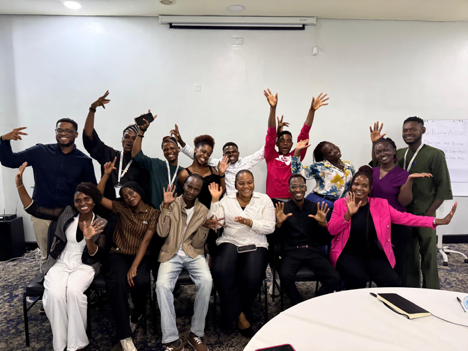
Team BeYOUtiful Mindz

About the teams

BeYOUtiful Mindz | First Place

Kamva Charlie | Ernesha Mazinyo | Zinathi Dingo | Mihle Qwesha

BeYOUtiful Mindz is a dynamic team of youth advocates, mental health practitioners, public health professionals, and implementation scientists committed to transforming HIV care for adolescents and young adults (AYA) by integrating mental health support. Drawing from lived experience and professional expertise, they recognize that untreated mental health challenges—like depression, anxiety, and stigma—hinder HIV treatment success. The team’s focus is to scale up an evidence-based, community-driven model that embeds mental health screening, peer-led support, digital tools, and psychosocial care within existing HIV services. Through the INSPIRE Designathon, they aim to refine and scale this model, co-design solutions with youth, and drive sustainable impact in high-HIV-burden communities. Their mission is to ensure that young people living with HIV don’t just survive—but thrive.

EqualCare

Gbuchie Monica Anurika | Akande Ah’mad Akinkunbi | Fana-Granville Ibituobelem Loizy

Team EqualCare is a passionate group of public health experts, digital innovators, and social inclusion advocates united by a common goal: to make HIV care accessible for every young person, including those with disabilities. They are focused on improving access to antiretroviral therapy for adolescents and young adults (AYA) living with HIV, who often face barriers that others do not.

EqualCare is a mobile-first solution that empowers AYA with disabilities through tailored support, AI-powered accessibility features, and peer-led services. Their mission is to remove stigma, ensure consistent care, and provide mental health support by bridging gaps in HIV services. With a youth-driven, community- based approach, they are piloting this solution in southern Nigeria to improve adherence, retention, and overall health outcomes for a group that has been historically overlooked. EqualCare isn’t just a project, it’s a movement for inclusive healthcare.

Gamba-Link

Florence Mwangwa | Collins Ampaire | Natukwatsa Nomujuni

This multidisciplinary team—a youth advocate with limited research experience, a public health researcher, and a computer scientist—has collaboratively developed a low-cost information toolkit to support pharmacy-based PrEP referrals from community pharmacies and drug shops, aiming to expand access to HIV prevention for youth, particularly in rural areas.

The INSPIRE Designathon aligns closely with the team’s personal and professional goals—to improve their expertise in adolescent and young adult health and strengthen their skills in implementation science. The team is especially excited about the opportunity to receive structured mentorship from seasoned INSPIRE mentors to refine and adapt their tool for real-world implementation. The Designathon also offers an inspiring platform to showcase their work, gain practical knowledge, and potentially earn recognition for ideas that can contribute to innovation and scale in HIV prevention.

HUSH BUDDY

Fanney Chirwa | Aness Susana Simon |Tamanda Esaya-Chingoli | Thokozani Jane Kasiya

HUSH BUDDY is a group of young professionals and passionate advocates focused on improving HIV care and support for adolescents and young adults in Malawi. The team brings together nurses, educators, and program coordinators who have hands-on experience in HIV work, youth mental health, and grassroots outreach. They run programs that help young people and adolescents adhere to their treatment, access mental health support, and build economic skills for a better future. Their goal is to close the care for those living in remote areas or dealing with stigma. By creating youth-friendly approaches, they are reaching more young people, supporting their treatment journeys, and helping them build healthy and sustainable livelihoods.

IMPACT Team

Julianah Adebisi | Divine Oladele | Miracle Adesina | Toluwase Olufadewa

The IMPACT team is made up of public health professionals across different fields who have experienced firsthand the effect inadequate knowledge about HIV, its prevention, testing, and treatment can have on individuals, especially those in underserved communities. They are committed to scaling community-led HIV interventions by expanding a peer-driven model that empowers adolescents and young adults in Internally Displaced Person camps and rural villages. They will train and deploy HIV Champions across four key Nigerian zones to lead outreach, prevention, testing, and care. By scaling this approach, they aim to increase HIV awareness, reduce stigma, and expand access to life-saving services in hard-to-reach communities.

Participating in this Designathon will equip the team with the tools, mentorship, and collaborative environment to refine their scale-up strategy, enhance their skills in human-centered design, implementation science, and digital health, and build sustainable frameworks for training and supporting HIV Champions to ensure long-term impact.

PROJECT STEP-4-YP | Third Place

Melody Okereke | Chidera Godfrey | Nwankwo Francis Casmir

PROJECT STEP-4-YP (Self-Testing Expansion via PPMVs for Young People) is a team of pharmacists, HIV advocates, and youth leaders with a shared commitment to advancing HIV prevention and youth-friendly healthcare in Nigeria. With strong backgrounds in clinical pharmacy, community-based HIV programming, and health policy advocacy, they bring both professional expertise and lived experience to our work. Their focus is on expanding access to HIV self-testing for young people in Rivers State by leveraging trusted community providers—Proprietary Patent Medicine Vendors (PPMVs)—to bring HIV services closer to those who need them most. Through PROJECT STEP-4-YP, they aim to bridge the gap between young people and healthcare systems by promoting stigma-free, accessible, and sustainable HIV prevention solutions. The team is driven by a belief that no young person should be left behind due to geography, language barriers, or fear of stigma. They are committed to creating a future where every young person has the power to know their status and protect their health.

Project Youth Link

Precious Kaniki | Natasha Seketa | Joshua K. Kasuba | Stella Mubanga

The Project Youth team is comprised of individuals with diverse backgrounds in public health, community mobilization, research, and advocacy. This team is passionate about creating innovative, community-driven solutions that address health and social challenges. Their focus is on designing interventions that are inclusive, sustainable, and grounded in the real needs of the communities they serve. They are committed to using evidence- based approaches, amplifying community voices, and fostering partnerships that drive lasting impact. Through the INSPIRE Designathon, they aim to co-create solutions that empower individuals, strengthen systems, and promote health equity.

Team Abeokuta

Damilola Ayowole | Temitope Oluwadare | Islamiat Soneye | Ayotunde Azees

Team Abeokuta is a multidisciplinary team of clinicians, public health practitioners, and community advocates dedicated to transforming HIV care for adolescents and young people in Nigeria.

Their focus is on integrating clinical treatment with art-based psychosocial support to address the complex mental health and social challenges marginalized youth face. Through an innovative, community-driven model, they aim to develop scalable interventions for key populations, pilot-tested in Ogun State and subsequently expanded nationwide.

By engaging thought leaders, peers, and stakeholders, Team Abeokuta seeks to refine their strategy, influence health policy, and secure partnerships and resources. Ultimately, their goal is to establish a sustainable framework that bridges clinical and psychosocial care, empowering vulnerable youth and enhancing HIV outcomes across Nigeria.

Team Tugambe | Second Place

Kihumuro Bernard Raymond | Ochen Eric | Nabifo Patricia Manana | Kintu Timothy

Team Tugambe is a multidisciplinary group of clinicians, researchers, and engineers passionate about transforming HIV care through innovation. Led by Dr. Raymond Bernard Kihumuro, an early-career researcher and implementation science fellow, the team brings together deep clinical expertise, human- centered design skills, and technical innovation. Dr. Eric Ochen contributes real-world clinical insights from frontline HIV care; Ms. Patricia Manana leads the engineering design of user- friendly solutions; and Dr. Timothy Kintu applies biodesign principles to drive impactful, scalable interventions. Focused on improving patient engagement through voice-based technologies, Team Tugambe is committed to creating sustainable, context-specific tools that bridge communication gaps and enhance health outcomes. Through this Designathon, the team seeks to refine their rapid prototyping abilities, strengthen interdisciplinary collaboration, and develop a prototype that can advance equitable healthcare delivery in East Africa.

Youth Against HIV

Favour Christiana Ogbuagu | Abubakar Ismail Muhammad | Makiyyah Sulaiman Muhammad | Abdulmalik Ya’u

Youth Against HIV is a passionate team of young public health professionals, medical advocates, and youth development specialists committed to advancing adolescent and young adult (AYA) health in Nigeria. Affiliated with Bridge Connect Africa Initiative (BCAI) —a nonprofit organization dedicated to women’s rights, adolescent and youth sexual and reproductive health, and girl-child education, their collective focus is on bridging gaps in HIV prevention, awareness, and access to youth-friendly health services. The team combines peer-led education, community- driven advocacy, and digital innovation to deliver impactful, culturally sensitive interventions. Through their participation in the INSPIRE Designathon, they aim to scale a localized, sustainable HIV awareness model that empowers AYAs with the knowledge, tools, and confidence to protect their health. They are committed to building healthier, more informed youth communities, starting in Northern Nigeria and expanding across Africa.