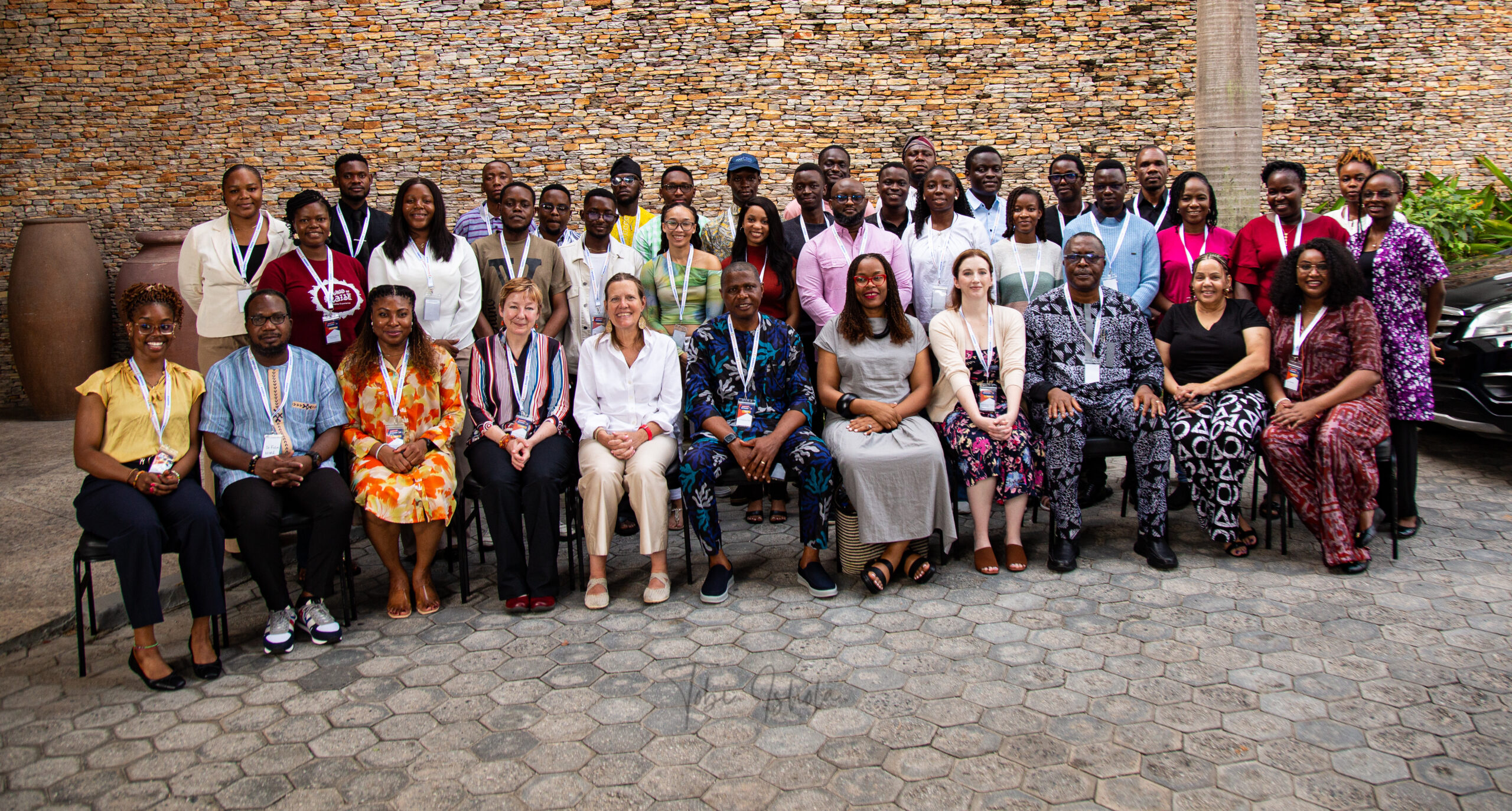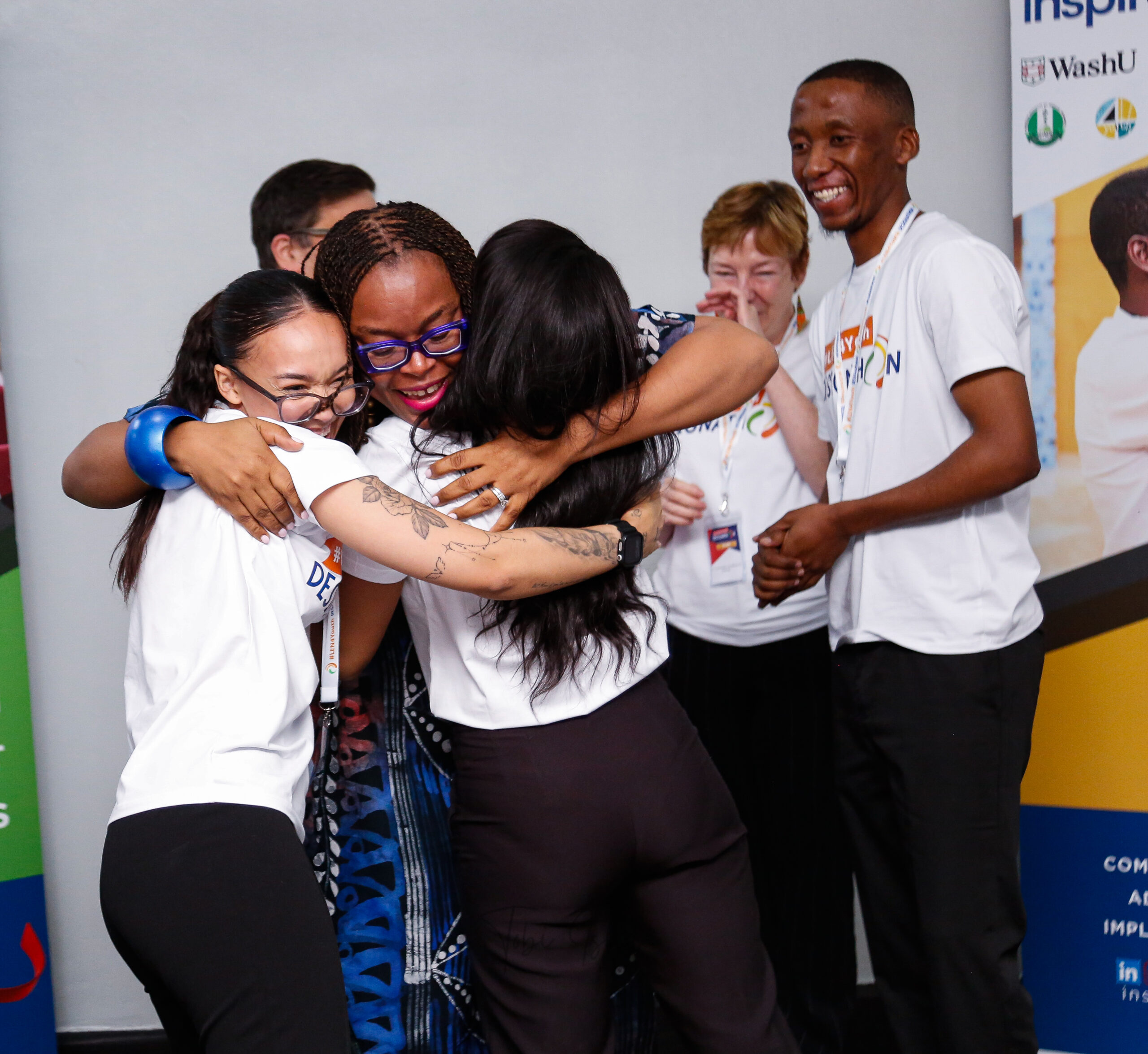
Meet the 2026 Designathon Teams

Meet the 2026 Designathon Teams

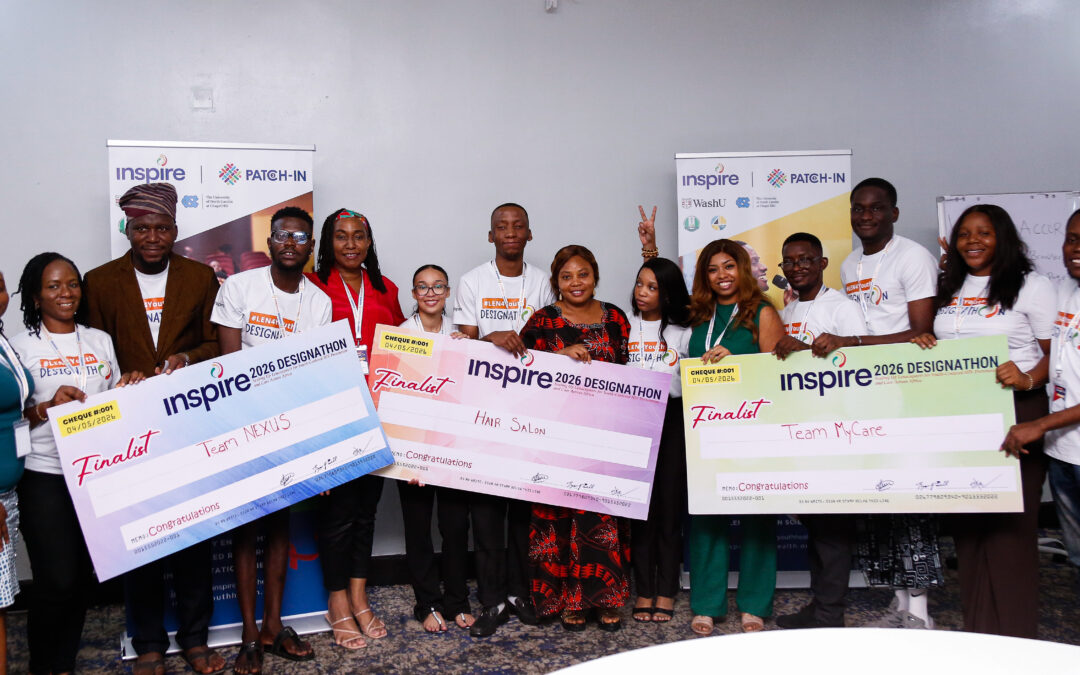
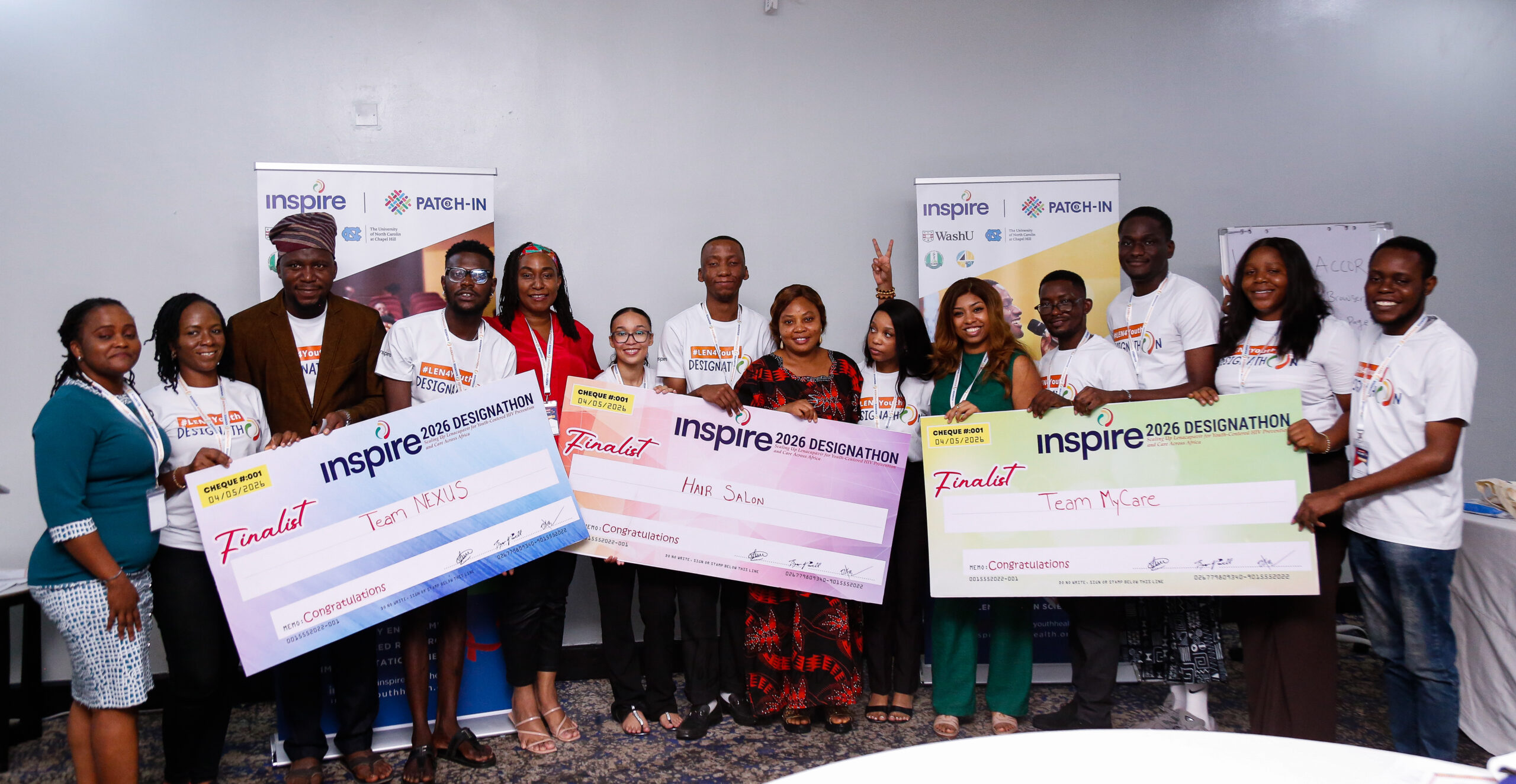
This May, eight teams will travel to Lagos, Nigeria for INSPIRE’s three-day Designathon Sprint to hone and pitch their ideas on scaling up lenacapavir (LEN) for youth-centered HIV prevention and care across Africa. These teams represent four African countries and six PATC³H-IN clinical research centers. They were selected by a review team of experts from nearly 40 submissions to our open call for proposals. Their proposals were judged on:

  • Proposal clarity and logic
  • Significance- relevance, impact, projected outcomes
  • Innovation
  • Feasibility and rigor
  • Team capacity, professional goals, and composition

Teams will spend two days learning from experts in the field and refining their ideas. On the third and final day of the sprint, teams will pitch their ideas to a panel of  judges for the opportunity to be one of three teams awarded up to US$10,000 to implement their project ideas over the course of a year. 

Read on to learn about these teams and their exciting project ideas.

Meet the Teams

BioSecure

Nigeria | RISE

Hassan Oladipupo Ismail  |   Ighorodge Victory Christopher

As medical students and youth leaders, BioSecure recognizes that biological efficacy means little without last-mile delivery. Their project — BioSecure: Pulse — aims to decouple PrEP delivery from congested, stigmatized healthcare facilities by shifting delivery directly to the community level. This project leverages an offline-first, multi-sectoral digital logistics platform to transform community pharmacies into discreet, last-mile delivery nodes for youth. To maximize youth integration, users access the service branded as “Sexual Wellness & Lifestyle Protection” rather than a clinical HIV program. They book discreet time slots to minimize wait times and visibility, while a gamified “Pulse Points” system incentivizes their crucial six-month return visits with immediate rewards like data bundles.


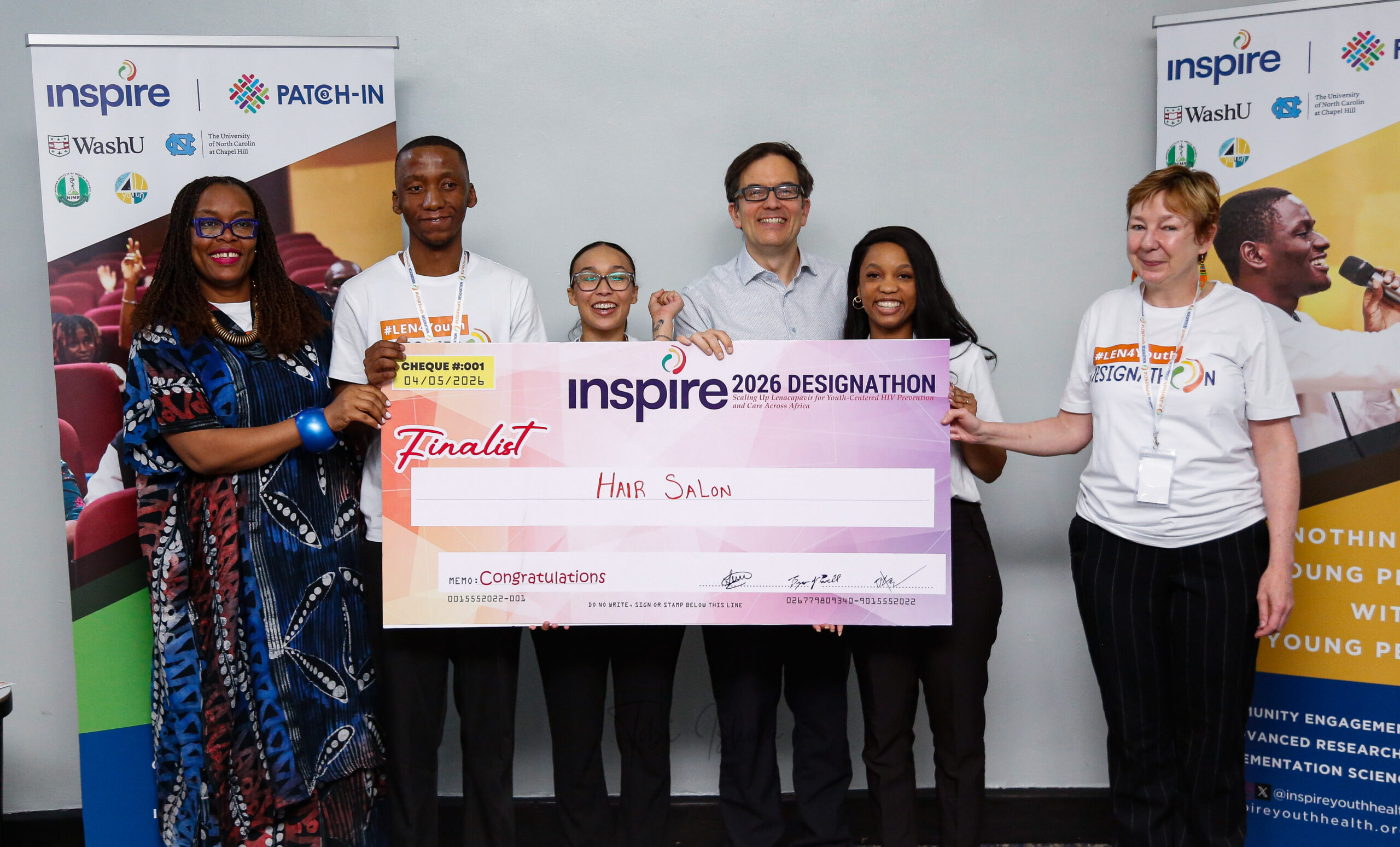
Hair salon

South Africa | ATTUNE

Kananelo Lehlohonolo Moshabesha | Mamaswatsi Pearl Kopeka | Charné Petinger | Yolanda Mayman

Adolescent girls and young women (AGYW) in South Africa are at a disproportionately higher risk of acquiring HIV than their male counterparts. This inequity is caused by a myriad of structural and cultural factors that impact the burden on AGYW. Despite the elevated risk, AGYW are hesitant to use PrEP. There is a need for trusted community-based, stigma-free spaces that provide accurate information about PrEP and link young people to LEN. Team Hair Salon seeks to use the salon space for providing access to information about LEN without the stigma associated with healthcare facilities, and with the help of trained trusted stylists.


PeerLEN Tanzania

Tanzania | MWOTAJI

Winfrida Onesmo Akyoo | Raphael Ruseke | Frank Immanuel Mhando | Haji Rajabu Mushi

PeerLEN Tanzania aims to co-design and implement a peer-led LEN delivery model tailored for adolescent girls and young women (AGYW) ages 18–30 who work in hospitality and entertainment venues in Dar es Salaam. This population faces barriers — including stigma, mobility, economic dependence, pill burden, and daily dosing fatigue — which have historically undermined adherence to daily oral PrEP. Guided by the Exploration, Preparation, Implementation, Sustainment framework and grounded in Social Cognitive Theory and the Andersen Behavioral Model, PeerLEN’s intervention integrates peer modeling, community engagement, and facility-based clinical delivery. By embedding LEN delivery within trusted youth social networks rather than parallel health systems, PeerLEN Tanzania will produce a scalable, sustainable model adaptable across African urban settings.


SafeSix

Uganda | MUJHU

Wandera Uthmaan Muluga | Namatovu Angella | MUSOKI DRAKE | MWEMEKE OSCAR

SafeSix works at the intersection of frontline HIV service delivery and research. Their low-cost, peer-anchored intervention is designed to support young adults in African settings to maintain their six-month LEN injection schedule for HIV prevention. The project uses a peer-anchored continuity package, including reminders from a trained peer and a neutral appointment card to protect privacy and reduce stigma. This model is designed to integrate seamlessly into existing youth-friendly clinics and community services. SafeSix addresses the core implementation challenge of long-acting HIV prevention — ensuring young people consistently return for injections and remain protected over time. The team’s long-term goal is to develop and test delivery innovations that can be integrated into sustainable prevention programs.


Team Catalyst

Nigeria | iCARE PLUS

Adeniyi Olayinka Abidemi  |  AMAO ADEBAYO OLAWUWO | Olayemi Tosin Akinpelu | Isaac-Ironondu Mmeli Victory

Team Catalyst’s proposed project — LENApp — aims to prototype a digitally enabled, peer-powered ecosystem that transforms how adolescents and young adults engage with PrEP—shifting from clinic-centered delivery to youth-centered access. The team plans to work with existing HIV and PrEP programs across the six geopolitical zones of Nigeria to identify and reach out to young people who are eligible for LEN via peer navigators. Those who start LEN will gain access to the mobile platform, which will send them appointment reminders, provide health information, and allow users to report side effects or ask questions confidentially.  Lastly, the team will bring LEN closer to young people by offering it in adolescent-friendly clinics, community outreaches, and safe spaces.


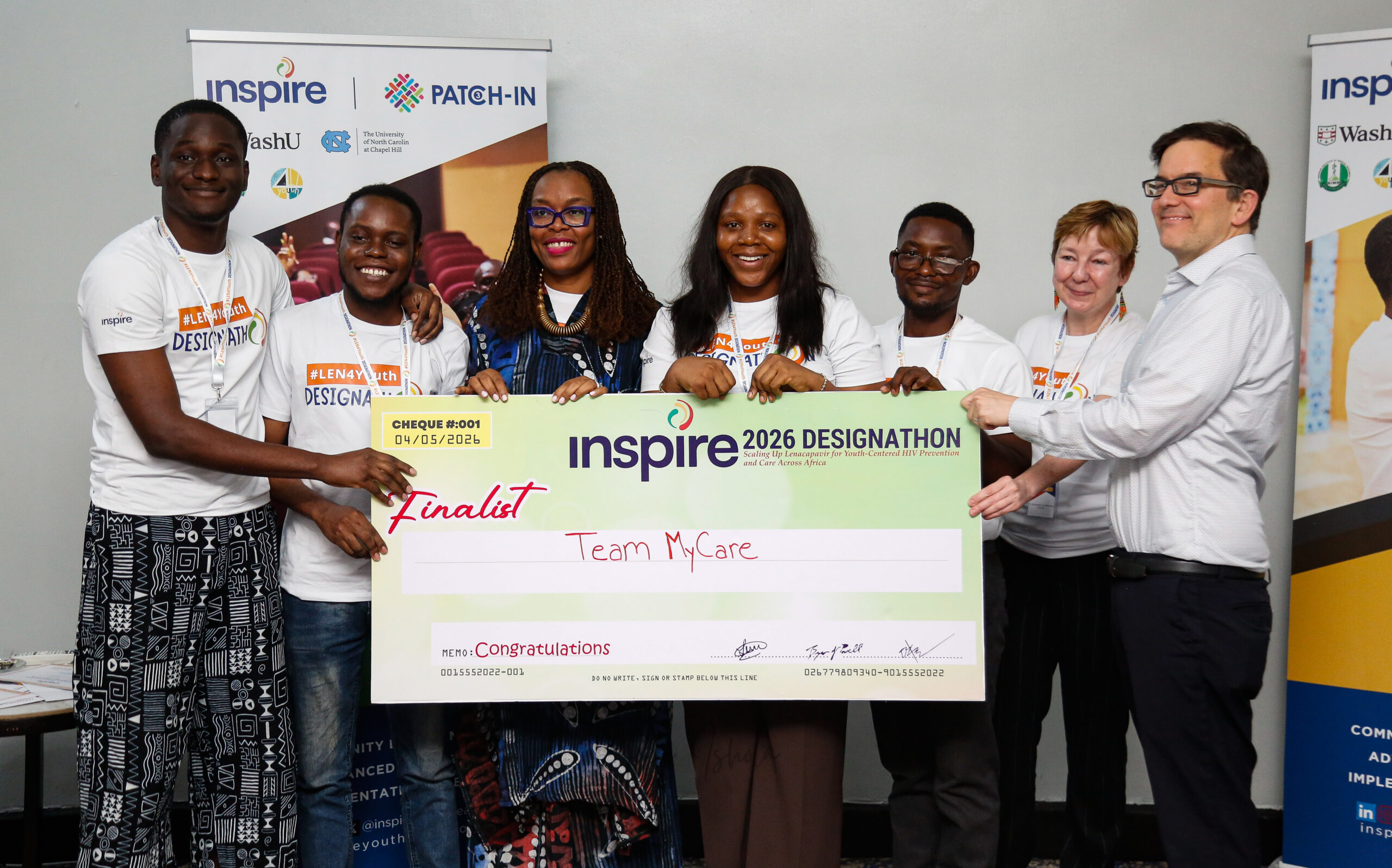
Team MyCare

Nigeria | S-ITEST

Johnson Davidson Chukwuemeka | Olaoluwaposi Ogunlana | Halimat Olaniyan | Victor Oluwafemi Femi-Lawal

Team MyCare’s experience working with adolescents and young adults has taught them the importance of involving young people in designing delivery models. Their project will test a youth-led communication and peer navigation approach embedded within university campuses and linked to pharmacies and youth-friendly centres. By adapting the peer navigator model and expanding access points beyond traditional key population networks, their approach strengthens awareness, improves confidential linkage, and situates LEN within broader HIV prevention services. Because similar structural barriers exist across many African countries, this model offers a practical pathway for integrating LEN into youth-centered HIV care across the region.


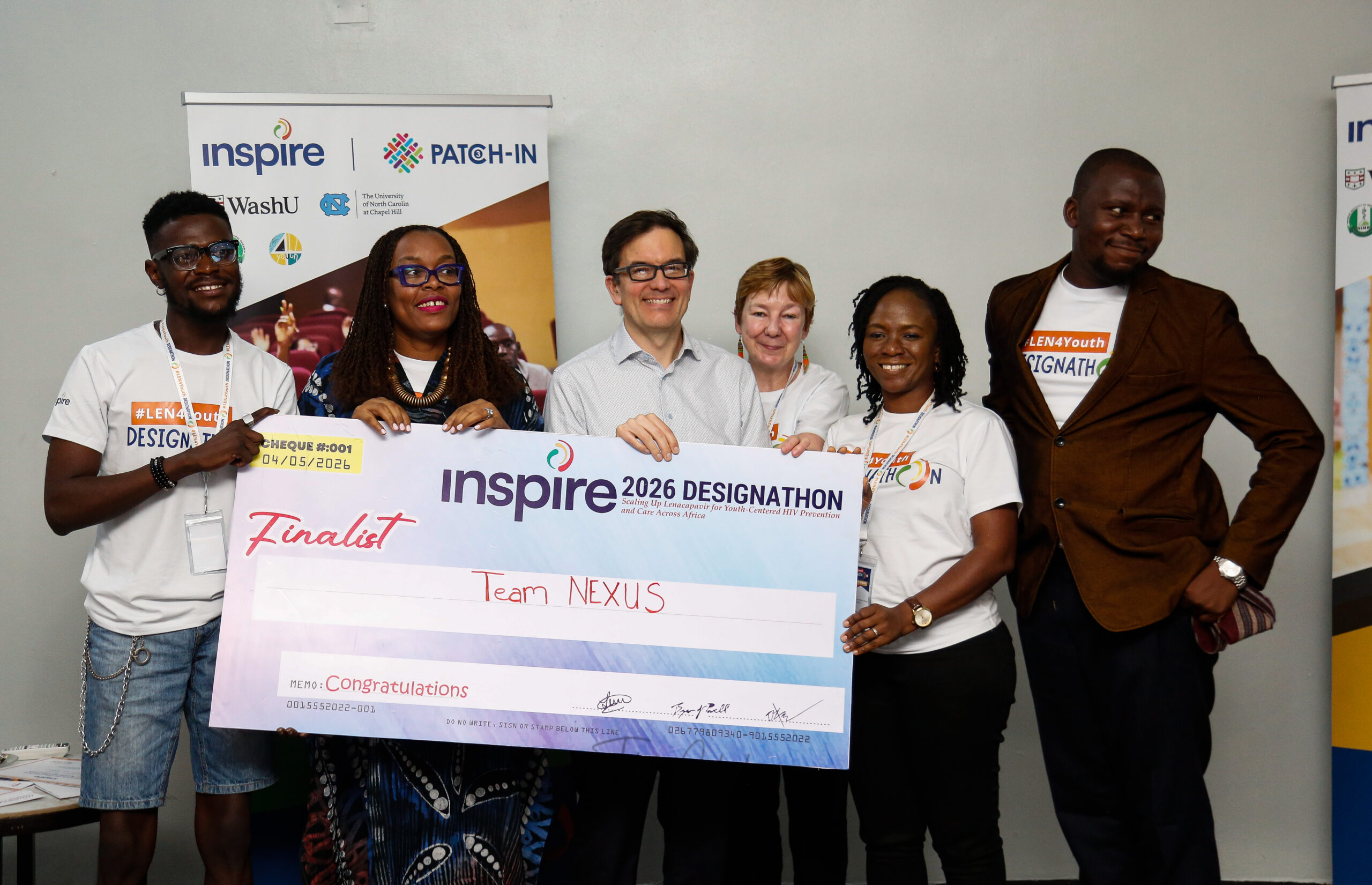
Team NEXUS

Nigeria | ICARE PLUS

Oluwafemi Adeshina | SULAIMON AFEEZ OLATUNJI | Hannah Olumayomikun Smart  | Offor Gab-cliton Nwakobi

Team Nexus’ project — SafePass Lagos — aims to pilot a gamified youth-centered LEN delivery model that can be replicated across Africa. Using an anonymous mobile app, Team Nexus will enroll at-risk youth via peer networks and conduct telehealth HIV screenings. Eligible participants receive an initial LEN dose at the clinic and a weekly reminder system with incentives to enable them to return for the second dose in six months. Each weekly check-in earns points redeemable for essentials (data bundles, transport vouchers, etc.), leveraging evidence that even small financial rewards greatly boost adherence. Using data collected through SafePass, Team Nexus aims to generate an open-source toolkit showing how to integrate LEN into existing youth programs.


Team REACH

Nigeria | S-ITEST

Olowu James Ochoyoda | EDIONWE MIRACLE OSASENAGA | Ruth Yetunde Daniel | Idoko Philip

Team REACH is committed to bridging the gap between biomedical innovation and implementation for adolescents and young adults in Nigeria. Evidence from prior HIV prevention rollouts shows that biomedical innovations frequently reach adolescents and marginalized youth last when delivery systems remain clinic centered. Team REACH seeks to address this challenge through their Youth-Integrated Lenacapavir Delivery Model (Y-LAP). Y-LAP utilizes peer ambassador-led awareness; risk screening on digital engagement platforms, pop-up and mobile clinics operating as extensions of licensed facilities in trusted youth spaces; and trained navigators to support return visits. This integrated model reduces structural barriers to access while maintaining clinical quality and regulatory compliance.


Tugambe, Talk to Us

Tugambe, Talk to Us

Written by: Patricia M. Nabifo, Ochen Eric, Kintu Timothy Mwanje, Raymond Bernard Kihumuro | Team Tugambe 

Tugambe is a word in Luganda that means “talk to us.” The phrase captures a reality we kept missing in HIV clinics. Imagine this: a teenage girl sits across from a healthcare provider who is rushing to keep up with a long queue of patients. Her viral load is reviewed and her medication is dispensed, but no one asks how she feels. Antiretroviral therapy keeps her body healthy, yet the health of her mind often remains unseen.

Here’s something most people don’t know: Up to one in three young people living with HIV in sub-Saharan Africa experience depression. As young adults with a medical background in HIV care, our team recognizes that depression is a significant concern. Because depression is quiet, it is easy to miss. Crowded waiting rooms, ten-minute consultations, and overwhelmed providers create a system where mental health gets pushed aside. We had to do something.

The turning point came when we were accepted into the INSPIRE Designathon. Suddenly, there was space to think differently. We asked the simple questions: What if mental health screening did not have to compete with busy clinics and limited time? What if young people could engage on their own terms, privately and without pressure? 

These questions led us to Interactive Voice Response (IVR). IVR is not glamorous. It does not require smartphones or internet access. It is the same technology behind appointment reminders and automated phone menus. We believed its simplicity is its strength. A young person can call from any phone, listen to prompts in their own language, and respond using their keypad. No forms. No waiting rooms. No eyes watching.

Hand texting on phone.

Still, we did not know whether this approach would feel acceptable, which language would feel safe, or whether an automated system could be trusted with something as personal as emotional wellbeing. So instead of quickly building, we chose to slow down. We focused on formative work. The goal became listening before designing and learning before scaling.

As the idea took shape, we told our story; this time in a competitive pitching space. We shared not only the idea, but also the uncertainty behind it. We spoke honestly about our concern for young people living with HIV and our belief that IVR could help surface depression earlier. Emerging among the winners mattered. It gave us confidence and direction. It also helped us see this work beyond a single pilot. Our vision now stretches over the next several years, with the goal of making depression management a routine and integrated part of HIV care.

Progress, however, has not been straightforward. Like much research in Africa, one of the biggest challenges has been navigating ethics and regulatory approvals. As early career researchers, we have learned how slow, political, and demanding these processes can be. Inefficiencies within regulatory systems can delay promising work and strain limited resources. Learning how to maneuver these structures without losing momentum has required patience and resilience.

Beyond approvals, this journey has taught us how to pitch ideas clearly, how to develop community engagement plans that go beyond checklists, and how to listen during monthly engagements rather than defend assumptions. We have built new relationships, expanded our networks, and learned to recognize opportunity when it appears. So far, the work has been less about technology and more about people, trust, and learning to sit with uncertainty.

We now look ahead to securing institutional ethics approval and national regulatory clearance so the research can begin. That step matters, but it is not the point of this work. The point is whether young people living with HIV finally have a safe way to say how they are really doing.

This journey has taught us one clear lesson. Mental health in HIV care will not improve by adding more tasks to already overstretched clinics. It will improve when systems are designed to listen. If Tugambe succeeds in doing just that, in creating space for young people to speak without fear, interruption, or judgment, then it will have done something far more important than deploying a tool. It will have broken the silence.

The Fragility of Peer Power: What an IDP Camp Taught Us About Youth-Led HIV Outreach

The Fragility of Peer Power: What an IDP Camp Taught Us About Youth-Led HIV Outreach

Written by: Julianah Adebisi and Miracle Adesina | IMPACT Team, Nigeria.

We didn’t notice it at first, but something had changed.

Just weeks earlier, Zainab had become a major driving force behind HIV outreach in the camp. Young people were showing up to discussions. Her peers listened, showed up, and stayed engaged.

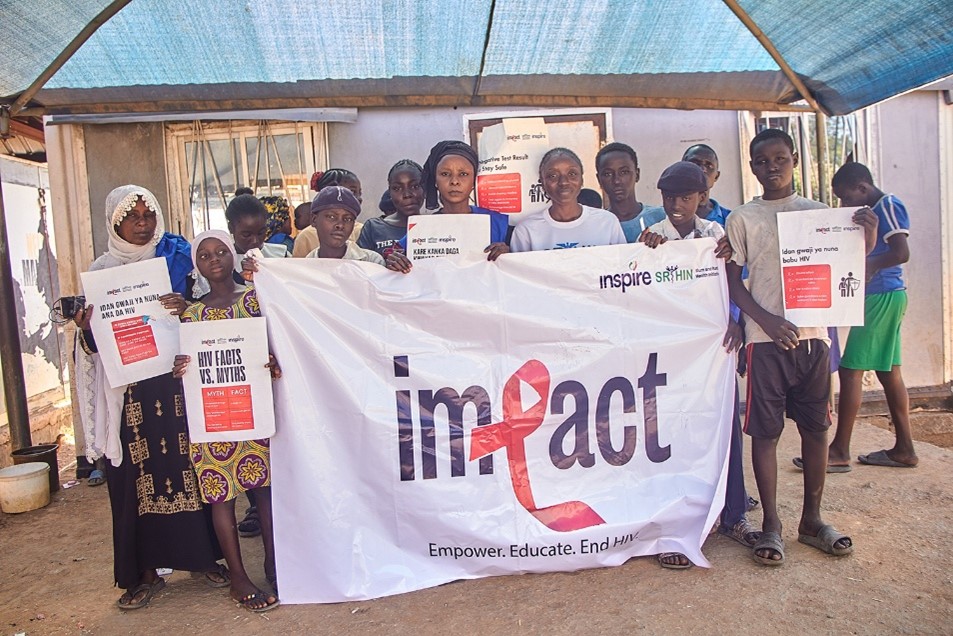
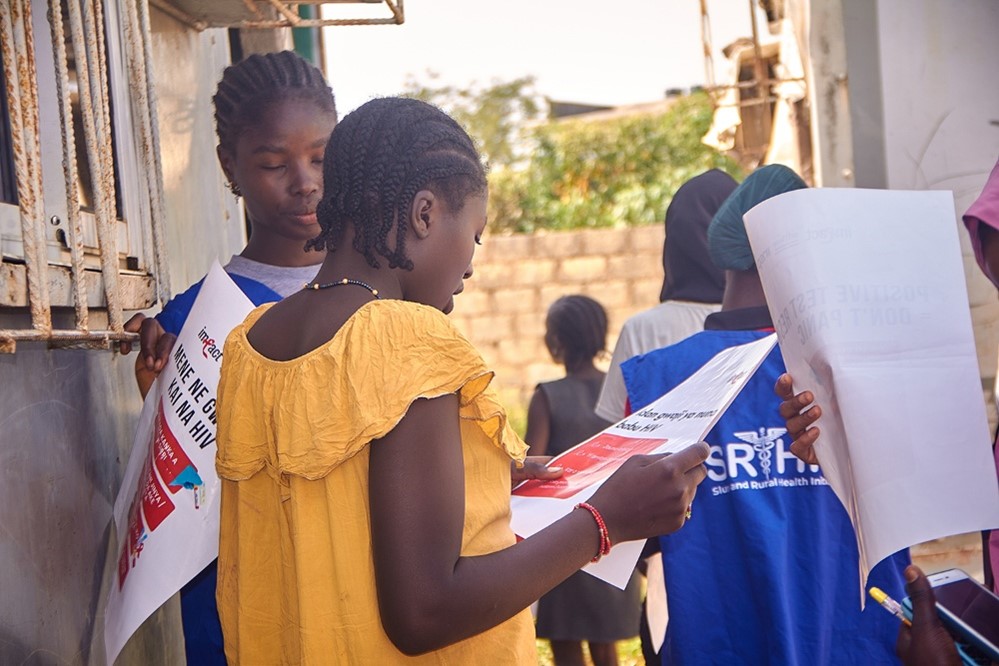
“Zainab” engaging her peers during an HIV outreach session in the camp. Peer trust is often the foundation of youth health programs.


There was energy, the kind you hope for when working with peer-led models.

Then, a personal conflict disrupted those relationships, and with it, the flow of new participants into the program.

Our most successful outreach channel had slowed to a halt.

That moment made us rethink what we thought we understood about peer-led models, especially in displacement settings.


Why we chose a peer-led approach

Young people often learn about sex, relationships, and risk from their peers long before they encounter formal health services. Peer-led outreach taps into these existing social networks. The logic is simple, versatile, and compelling: young people trust their peers, understand each other’s realities, and communicate information in ways that feel relatable.

For the Innovative Mobilization and Participatory Action for Community Transformation (IMPACT) project, this approach felt especially appropriate as we worked with young people living in Internally Displaced Persons (IDP) camps in Nigeria.

We trained a small group of youth champions and encouraged them to reach out to peers in their own social circles: friends, neighbours, and classmates at camp. It was a snowball approach. Each young person could bring others.

It seemed to work; we were gaining momentum.


Where we hit a wall

One champion stood out. Zainab was motivated, well-respected, and committed to the project. Through her efforts, we saw a noticeable increase in participation. Her peers listened to her. They showed up. Momentum began to build.

Without realizing it, we began to rely heavily on her network.

So, when conflict emerged from within her circle, the impact rippled outward. She stepped back from active recruitment. The peers she had mobilized became less engaged. New participants stopped coming.

At first, it felt like a setback. We had invested in training. We had seen progress, and now the progress was slowing.

However, with reflection, we realized that this wasn’t a failure of Zainab or her peers.

It was a gap in our project design.


What this taught us about peer networks

Peer-led models often assume that social networks are stable. In some communities, that may be true. However, in IDP camps, relationships live under constant strain.

Young people are navigating economic stress, family trauma, uncertainty about the future and competition for limited resources. These pressures do not stay outside the room when we hold HIV sessions; they affect how young people relate to each other.

In that environment, small disagreements can grow quickly.

Emotional strain is high, and when leadership is concentrated in one person, a single strained relationship can stall momentum.

What slowed our outreach was not resistance to HIV education. It was the fragility of relationships in a high-stress setting.

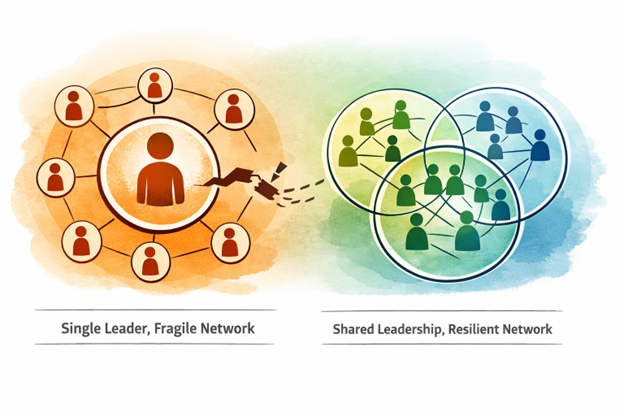
An illustration of shared leadership in youth outreach. Programs are strongest when responsibility is distributed.


An illustration of shared leadership in youth outreach. Programs are strongest when responsibility is distributed.

Rethinking how we support youth champions

The situation compelled us to reassess our support for young people who assume leadership roles in health programs.

Being a youth champion is more than delivering information; it means managing friendships, expectations, and sometimes tension, all while mobilizing others.

From this experience, we learned that peer-led models work better when leadership is distributed, rather than concentrated. Recruiting champions in clusters makes the program less vulnerable to the ups and downs of a single relationship.

We also learned that conflict is not a disruption to community work but a part of it. Creating space for early conversations, mentorship, and mediation matters more than we initially realized.


Designing youth health programs for real-life complexity

In displacement settings, health education competes with urgent daily needs influenced by economic pressure, emotional stress, and unstable social relationships, all of which affect how young people engage with HIV prevention.

Peer-led approaches need to be designed with flexibility and empathy, recognizing that health is only one part of what young people are dealing with every day.

Our experience reminded us that effective youth health programming in humanitarian contexts requires careful design, including:

  • Avoiding over-reliance on one champion
  • Investing in supporting relationships, not just training
  • Linking HIV outreach with livelihood support, psychosocial services, and other programs that respond to young people’s everyday realities


Moving forward

The setback in our recruitment was not the end of the story.

It pushed us to distribute leadership more intentionally, to check in more frequently with our youth champions, and to treat relational dynamics as part of program design.

Peer power remains one of the strongest tools in youth HIV prevention.

However, these peer-led models are only as strong as the relationships that sustain them.

Youth champions and participants during outreach. Peer power continues, strengthened by shared responsibility.

Beyond the Clinic Walls: Rethinking HIV Prevention Through Rural Drug Shops

Beyond the Clinic Walls: Rethinking HIV Prevention Through Rural Drug Shops

Written by: Nomujuni Natukwatsa, Florence Mwangwa, and Collins Ampaire | Team Gamba Link, Uganda

What if the first conversation about HIV prevent ion didn’t happen in a hospital but in a small drug shop down the road?

In many rural communities across Uganda, young people rarely walk into hospitals to ask about sexual health products. Instead, they rely on community drug shops and trusted community care providers as their first point of contact for sexual health needs which may include HIV prevention services. Yet these accessible and trusted spaces are often excluded from formal HIV prevention strategies. 

Our inspiration

The INSPIRE Designathon provided a platform for us to develop the Gamba Link project. Gamba means to speak, tell or address in Bantu languages in Uganda. Our project aims to onboard community medicine providers by introducing them to structured HIV prevention information in order to support them to speak to young people about accessing biomedical HIV prevention products. The Gamba Link project developed the PREP-Go toolkit, a tool box of familiar communication tools to support community medicine providers like drug shop attendants to initiate youth-friendly, non-judgmental conversations about using HIV prevention products and link adolescents and young adults (AYAs) to peer navigators for PrEP services at formal health facilities. 

The challenge that birthed Gamba Link

Pre-exposure prophylaxis (PrEP) and post-exposure prophylaxis (PEP) are proven, effective HIV prevention tools. However, uptake among adolescents and young adults (15–24 years), particularly in rural areas, remains low. Young adolescents who are just beginning their sexual health journeys (15-20 years) are particularly vulnerable. Structural barriers such as low knowledge, fear of discussing sexual related matter with authority figures, stigma, limited youth-friendly services, and weak referral systems continue to stand in the way. 

Through community engagement and prior evidence, we learned an important insight — many rural youth do go and seek sexual health products from trusted community drug shops. These spaces are informal, familiar, and discreet. Despite this, drug shop attendants are rarely equipped with the confidence, language, or tools to discuss sensitive topics like HIV prevention. 

This gap presented both a challenge and an opportunity.


Turning community drug shops into gateways for HIV prevention access

We designed PREP-Go, a structured communication toolkit that supports drug shop attendants to confidently and non-judgmentally initiate conversations about accessing HIV prevention with the help of age appropriate support through peer navigators, who provide PrEP in formal health services. 

Because community drug shops are not yet authorized to prescribe PrEP, we believe PREP-Go toolkit enables them to participate in HIV prevention actively by:

  • Arousing curiosity about PrEP products 
  • Sharing accurate, stigma-free PrEP information 
  • Providing a clear referral pathway to supportive PrEP providers 

The toolkit includes a simple poster with visual information on who needs PrEP and how to access it, flash cards with PrEP choices, and a short, animated video to watch privately or share with acquaintances. All participating shops will have the name and phone contact of the nearest PrEP peer navigator. 

Designing with, not for, the community

We engaged multiple stakeholders from the start: adolescents and young adults, drug shop attendants, and peer navigators. Their lived experiences helped shape every design decision. 

Drug shop attendants told us they often wanted to help young people but feared saying the wrong things which would scare away their customers. Youth shared that they valued confidentiality, discretion, and respectful communication more than medical expertise. Peer navigators emphasized the importance of building trust in the communities. These insights informed a key design principle: keep it simple, visual, supportive, and scalable.

Testing the solution in the real world

The PREP-Go tool kit is being tested through a qualitative pilot study in four rural community pharmacies and drug shops in Lyantonde District of southwestern Uganda. The study uses a pre- and post-intervention design to assess feasibility, acceptability, fidelity, and sustainability. 

To understand how the toolkit works in practice, we are collecting data from: 

  • Drug shop attendants who are using the toolkit 
  • Peer navigators supporting referrals 
  • Trained youth mystery clients observing real interactions

By combining focus group discussions, in-depth interviews, and mystery client visit reports, we aim to capture honest feedback on how youth experience PrEP conversations in these informal health settings. 

Why this matters for youth

Young people in rural communities face a disproportionate risk of HIV due to social vulnerability, early sexual debut, limited access to services, and stigma. By bringing youth acceptable PrEP conversations closer to where youth already are, the PREP-Go toolkit helps normalize HIV prevention conversations even in commercial spaces and reduces missed opportunities for seeking these services. 

Equally important, the project builds youth leadership. Peer navigators and mystery clients gain skills in advocacy, communication, and community engagement — strengthening local capacity beyond the project lifespan. 

Looking ahead

We envision a world where talking about HIV prevention is as normal, stigma-free, and accessible as buying pain relief medicine at a drug shop. 

Through the PREP-Go toolkit, we test if well-designed communication tools can unlock big changes in how communities approach HIV prevention. With continued collaboration, learning, and refinement, this model has the potential to transform rural HIV prevention across Uganda and similar settings. 

Innovation does not always require new buildings or complex technologies. Sometimes, it starts with the right tools sparking a conversation among willing people. 

Under the Stairs: What One Conversation Taught Us About Invisible Barriers to HIV Care

Under the Stairs: What One Conversation Taught Us About Invisible Barriers to HIV Care

Guest Authors: Monica Gbuchie, Ah’mad Akande, Fana-Granville Loizy | Team EqualCare, Nigeria

We met Ada during a community outreach program. She was seated underneath the stairs of the community townhall, keeping to herself, her crutches leaning against the wall. From afar, she looked like someone simply waiting to be attended to, but when we approached her, we learned she had been there for quite some time. She had come alone because her mother could not accompany her, and even though the journey was difficult, she refused to miss another opportunity to be seen. In that moment, she reminded us how much strength it takes to navigate the healthcare system when you are living with both a disability and HIV. Her presence there was an act of quiet courage.

During our conversation with her, she told us she had missed several visits in the past, not because she wanted to, but because transport was unreliable and she relied heavily on others to accompany her. Each missed appointment left her feeling like she was losing control of her own care. She wished she had a way to stay connected to her healthcare team even when she could not make it to the clinic.

This made us even more resolute in our commitment to develop EqualCare, a digital tool designed to support young people living with HIV and disabilities. EqualCare provides treatment reminders, easy access to trustworthy health information, and a peer navigation system. As we shared the idea with different people in our circle, many were genuinely excited about its potential. They said that having someone to talk to on days when they could not travel to health facilities would make young people feel less alone. We also received feedback that the app’s supportive features could be life changing and might even be expanded in the future to serve other persons with disabilities living with chronic conditions beyond HIV. Our conversation with Ada made these invisible barriers even clearer, and they continue to guide the work we do.

Challenges So Far and Lessons Learnt

Developing EqualCare has been a real learning experience for our team. We quickly discovered that true accessibility is not achieved through a single feature. It requires thoughtful design, simple navigation, and content that works for young people with different physical abilities and digital realities. One of our biggest hurdles has been finding experts with the right technical skills to build an app that can genuinely support users with diverse disabilities. Beyond technology, securing buy-in from stakeholders has been difficult, mainly because many clinics do not keep records of young people living with both HIV and disabilities. This lack of data makes it harder to identify and reach the very group the app is meant to serve. Early survey responses highlighted this gap and reminded us how invisible this population can be within health systems.

Another is finding the community itself and earning trust has required patience. Many young people have had mixed experiences with digital tools or health programs, so building confidence has meant showing up consistently and listening closely. These interactions have shaped our understanding more than any formal assessment could.

Along the way, we have learnt that our idea, although ambitious, is needed and we remain committed to getting it right. But it is also clear that we cannot do this alone. Stronger community engagement, supportive stakeholders, and sustainable funding will be essential to move EqualCare forward.

Looking Ahead

Meeting Ada showed us why this work must continue. Collecting feedback will not always be easy. Network challenges, shared phones, and long distances all shape how young people interact with digital tools. But stories like hers show us why we have to keep going. Each experience helps us refine EqualCare into something that reflects real needs rather than assumptions.

Our goal is simple. We want EqualCare to meet young people where they are, instead of expecting them to navigate systems that were never built with their circumstances in mind. Young people living with both disabilities and HIV are often unseen in healthcare settings, and their challenges rarely influence program decisions. They deserve better.

From sitting under the stairs at an outreach event to managing care at home, young people deserve support that fits into their lives. EqualCare is our commitment to designing a tool that finally sees them.

Youth Deserve Better—How We’re Changing HIV Testing Norms in Zambia

Youth Deserve Better—How We’re Changing HIV Testing Norms in Zambia

Guest Authors: Precious Kaniki and Joshua Kasuba | Project YouthLink, Zambia

This blog post is the third in a series written by teams participating in the 2025 INSPIRE Designathon. Chosen from hundreds of submissions, these teams participated in a dynamic three-day sprint to sharpen their ideas and pitch innovative solutions to a panel of expert judges. Each team received funding to implement, adapt, and scale-up HIV interventions for adolescents and young adults over the coming year.

Headshots of the four members of Project YouthLinkProject YouthLink was born from a simple yet powerful question:

What if young people could access HIV testing on their own terms, in their own spaces, with their peers by their side?

As researchers and advocates in Zambia, we have witnessed too many young people arriving at health facilities only after being sick for months—sometimes even years—without ever having taken an HIV test. Many delayed testing out of fear of stigma, because clinics felt unwelcoming, or because the nearest facility was too far away. It was heartbreaking to see young people suffer needlessly from a manageable health condition they didn’t know they had.

We knew something had to change. We wanted to re-imagine what HIV testing could look like for young people in Zambia—accessible, stigma-free, and centered on their realities.

Our Approach: Bringing HIV Testing Closer to Youth

A small group of young people standing outside, talking

Project YouthLink doing community outreach

Project YouthLink is a youth-led, community-centered initiative designed to bring HIV testing closer to young people through mobile outreach, peer navigation, and digital tools.

  • Mobile diagnostic outreach brings testing to markets, schools, and even remote places 
  • Peer navigation ensures every young person who tests knows they are not alone—whether their result is positive or negative
  • Digital linkage tools help track referrals, send reminders, and support follow-ups discreetly and effectively

In essence, YouthLink is a bridge—between community and clinic, between fear and support, between silence and action.

From Idea to Impact

When we first shared this idea at the INSPIRE Designathon, we had the passion but not the perfect words. We were advocates and not presenters. But through mentorship and participatory learning sessions, we refined our design, learned to communicate our vision more clearly, and grew confident in presenting our work to the community

One of our biggest realizations was that diagnostics aren’t just medical—they’re social.

A test is not just a result. It’s a moment of truth that can either isolate or empower. It’s a doorway to dignity, care, and hope.

Youth are not just the future of the HIV response—they are the present. And when we truly listen to them, solutions stop being about them and start being with them. This demands trust, privacy, and peer support — all central to what our project offers.

What We've Accomplished

An HIV test kitSo far, we have trained peer educators and navigators and carried out a pilot outreach. It hasn’t been entirely smooth—particularly in peri-urban communities. Some challenges we’ve faced include persistent stigma and limited knowledge about HIV testing among youth. One young girl told us that she was afraid of testing because most of the health workers are older people who judge young people. That perspective reaffirms exactly why this project matters: testing services must be brought to young people in spaces where they feel safe and understood.

Looking Ahead

We envision a Zambia where no young person discovers their HIV status too late — where diagnosis is early, stigma is reduced, and linkage to care is seamless.

Our next steps include scaling project YouthLink to more districts, strengthening partnerships with stakeholders, and integrating our model within the national HIV response.

We believe young people are not just beneficiaries — they are drivers of change. And with Project YouthLink, we are proving that when youth lead, the future of health equity shines brighter for all.