Building Multi-State Modeling Capacity Across PATC3H-IN
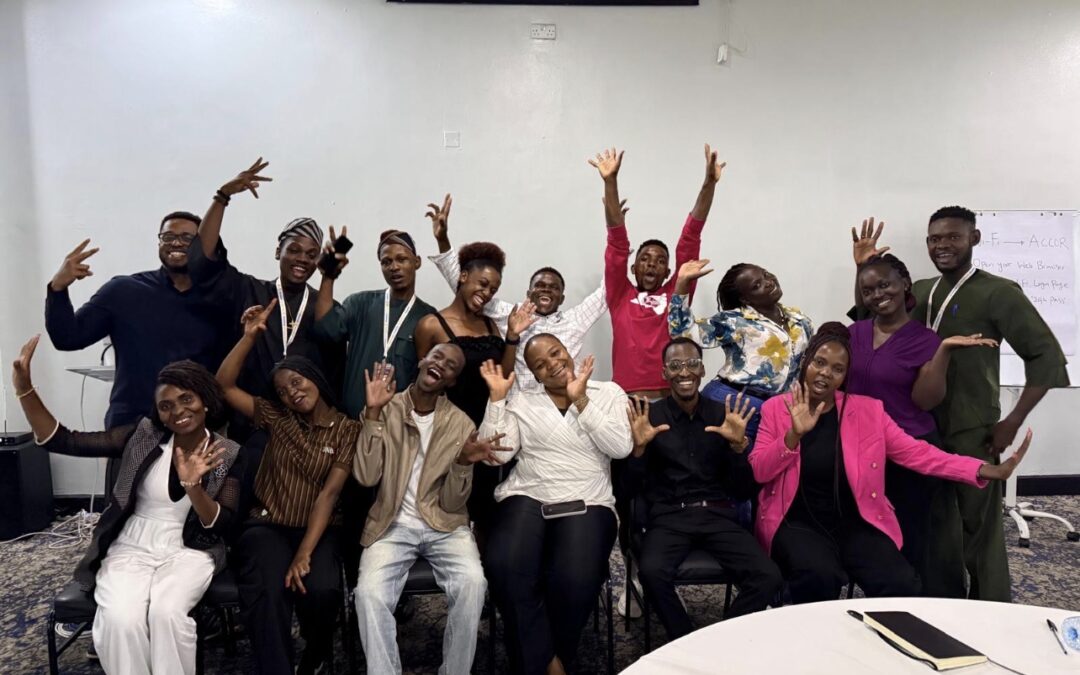
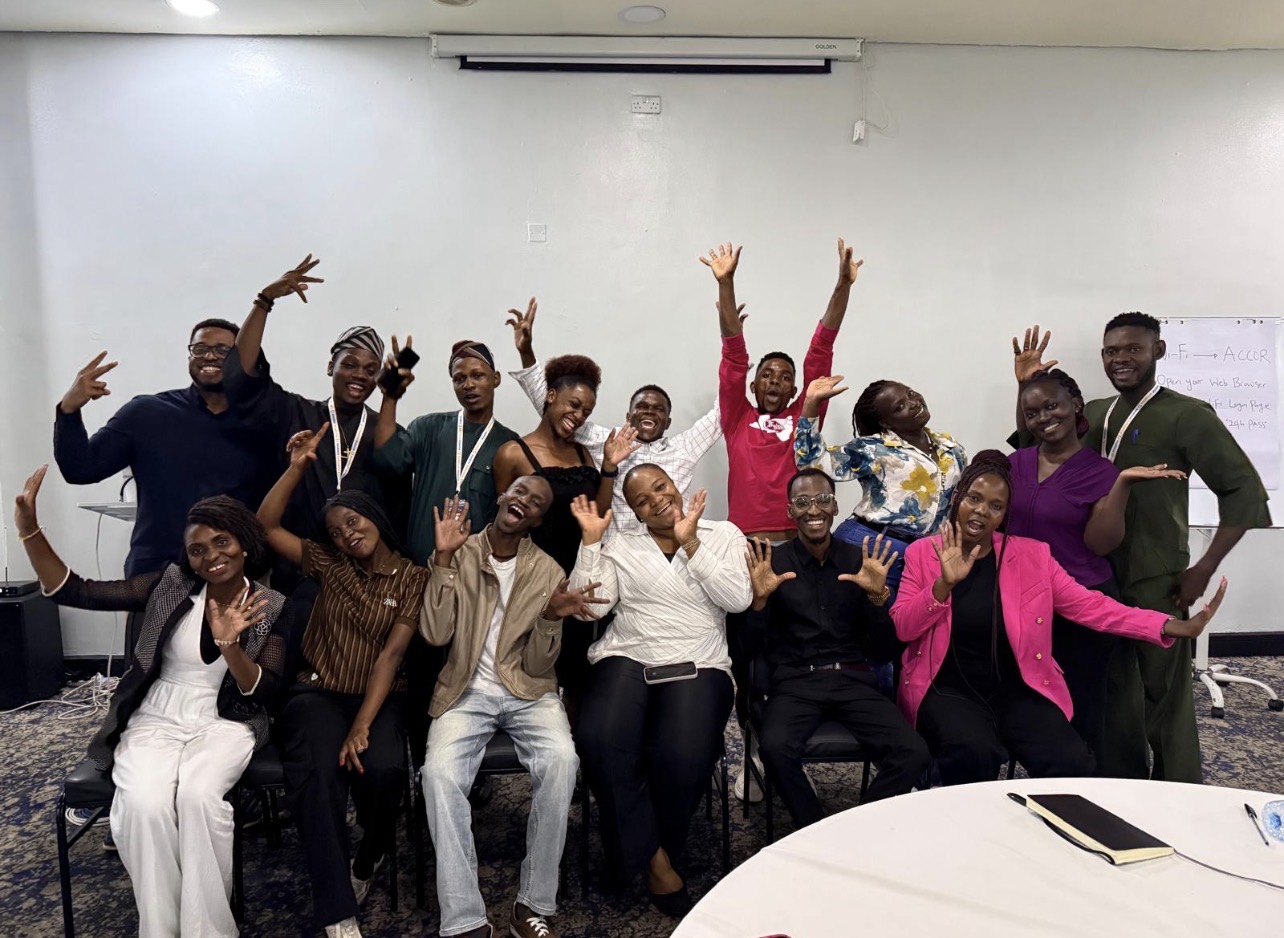
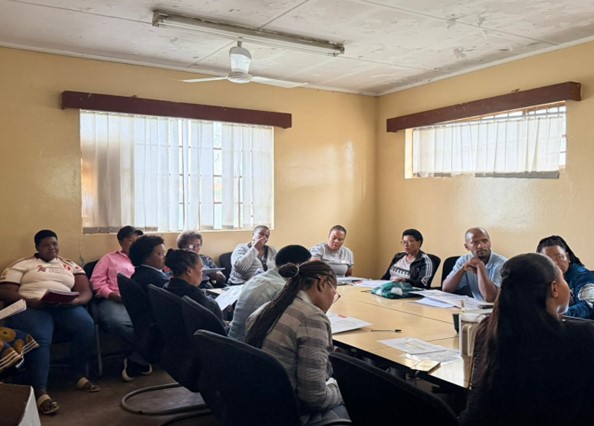
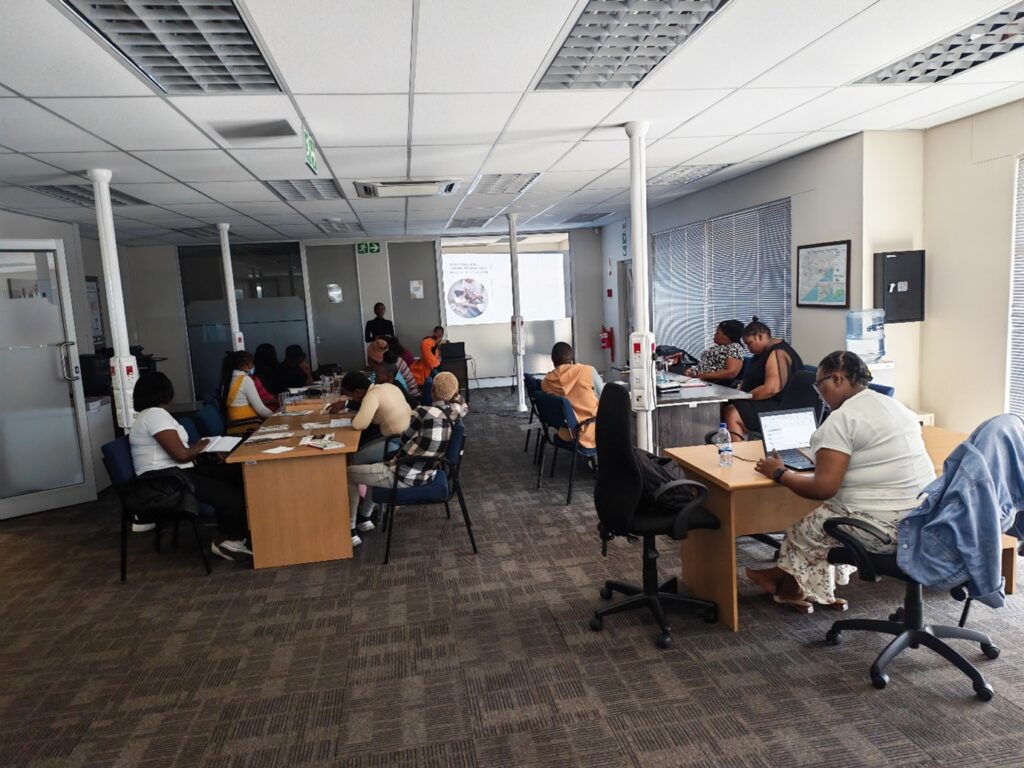
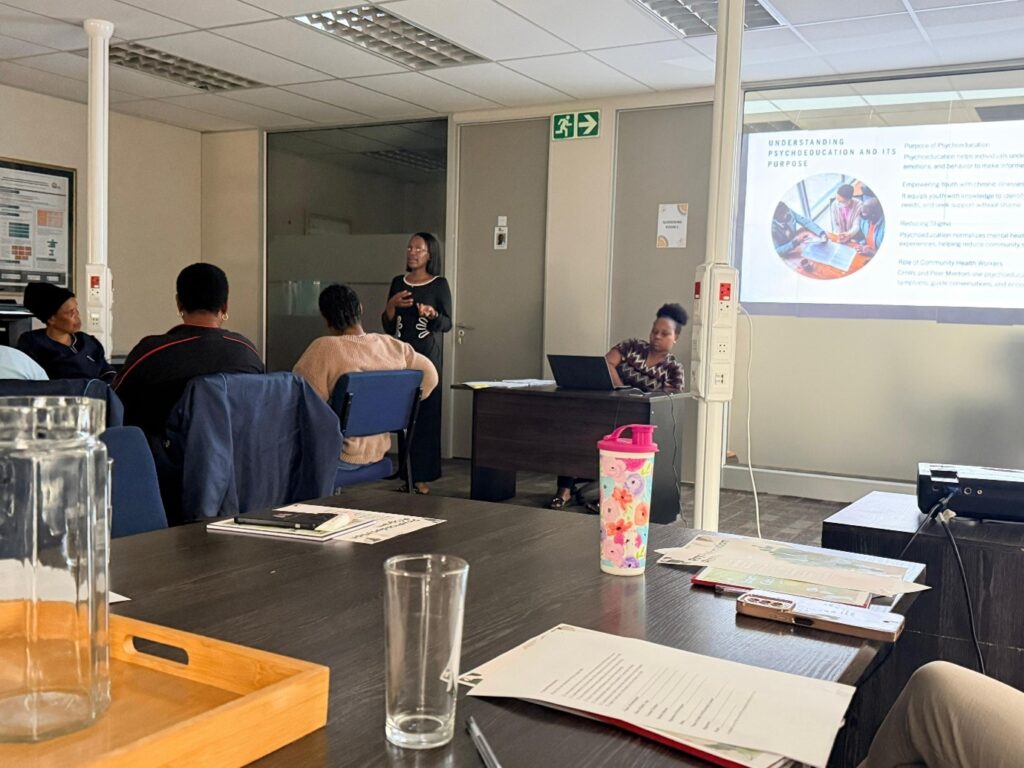
At the 2026 PATC3H-IN Annual Meeting in Lagos, Nigeria, the INSPIRE Methods Core hosted a hands-on multistate modeling session — Modelling HIV Retention and Re-engagement in Care in Sub-Saharan Africa. This interactive workshop, led by co-investigator Dr. Lindsey Filiatreau, drew eight participants representing clinical research centers across the network to learn foundational concepts and practical approaches for analyzing patient transitions and long-term outcomes using multistate models.
Drawing on her expertise in epidemiology and longitudinal data analysis, Dr. Filiatreau guided participants through real-world examples demonstrating how multistate modeling can be applied to address important research questions. The session emphasized practical application, giving attendees an opportunity to engage directly with methods they can eventually use with data from their own sites.
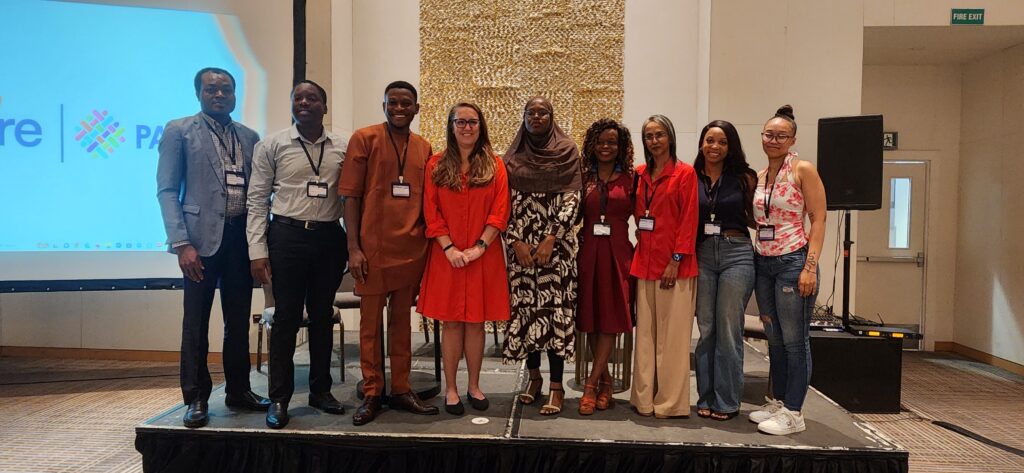
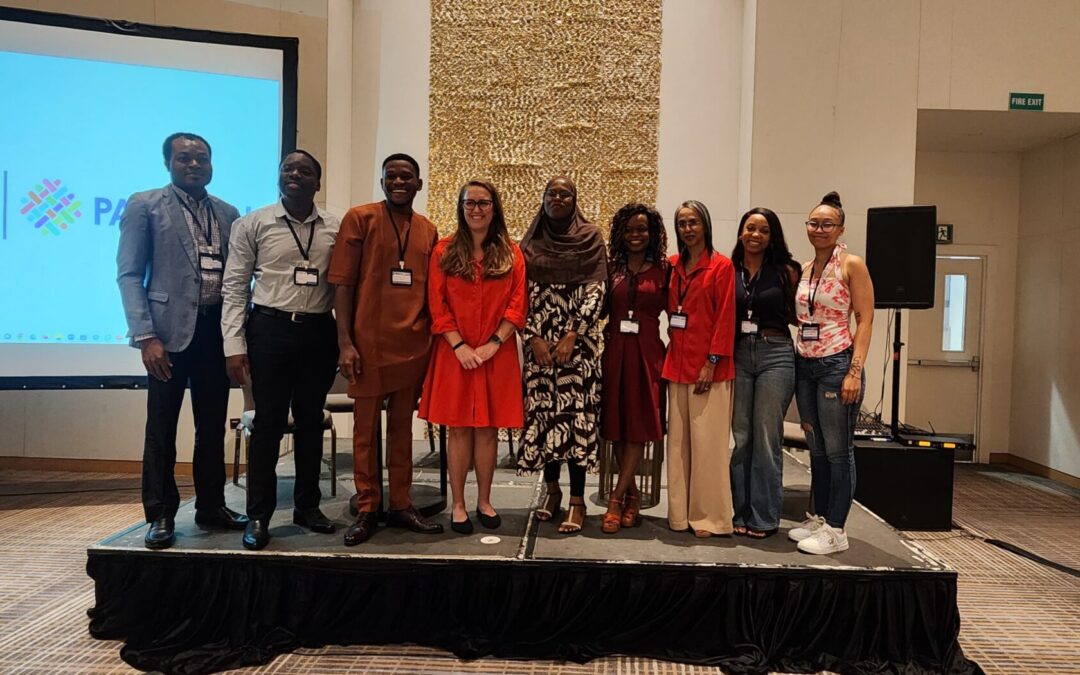
Dr. Lindsey Filiatreau poses with session participants at the Annual Meeting.
Standard survival methods, like Kaplan-Meier analysis, can oversimplify the HIV Care Cascade by treating engagement in care as linear, when in reality it isn’t. These methods fail to capture the 30–50% of patients who are lost to follow-up that eventually re-engage in care.
A multistate model describes individuals moving through a set of mutually exclusive states over time. Transitions between states are governed by transition intensities (hazard rates), and the model can estimate the probability of being in each state at any time. Multistate analysis allows researchers and healthcare policy makers to map, measure, and predict these bidirectional movements (disengagement and re-engagement) across mutually exclusive clinical states over time.
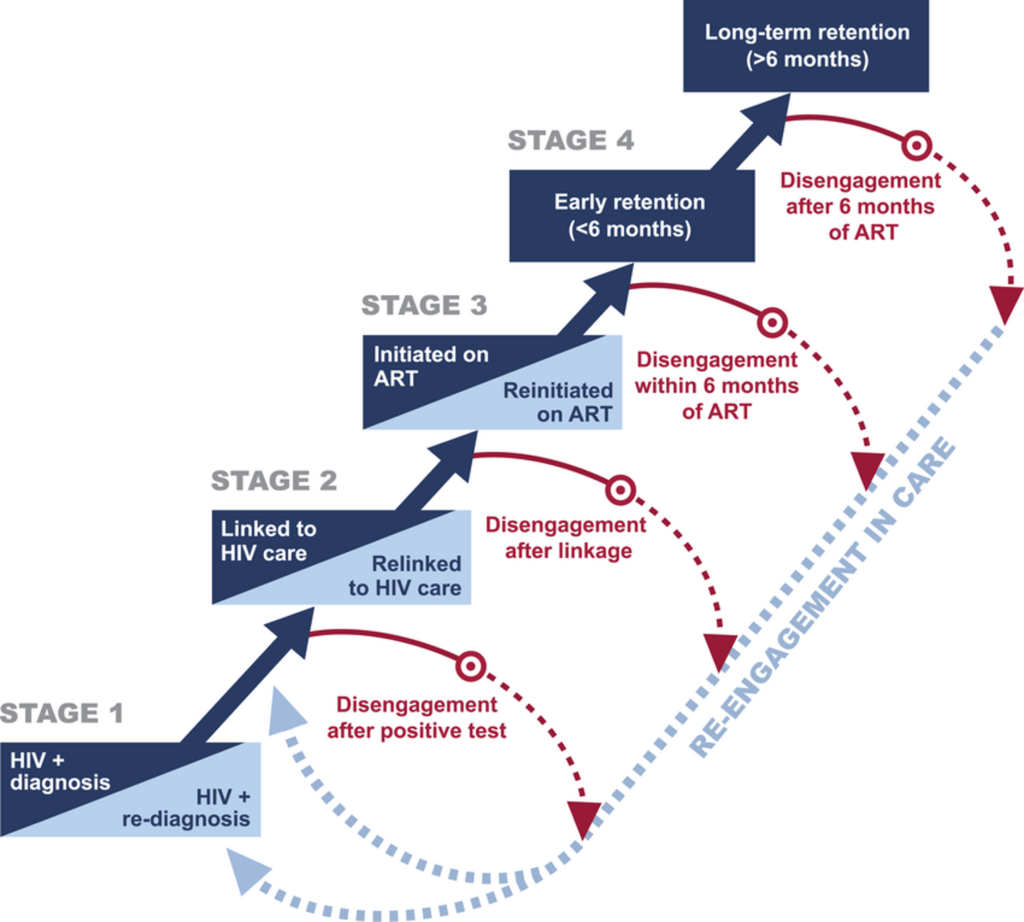
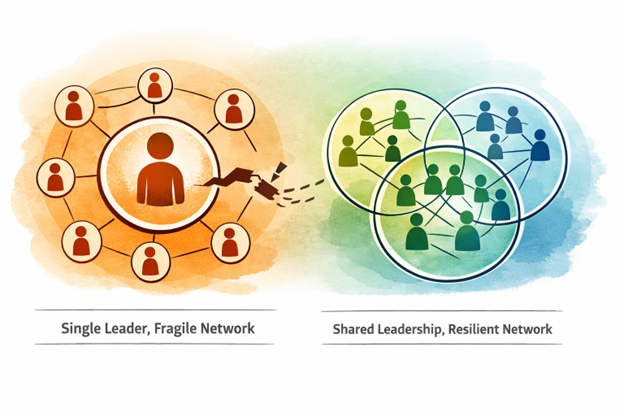
This visual shows re-engagement in care across the HIV Care Cascade.
Dr. Filiatreau created the space for us to learn the fundamentals of multistate modeling in survival analysis while empowering participants to apply these methods to their own projects.
-Dr. Victoria Pillay-van Wyk, ATTUNE
“Multistate methods are a powerful tool for illuminating nuanced patterns of engagement in HIV care across time. These tools can help facilitate the design of more robust public health solutions to disengagement from care.” Dr. Lindsey Filiatreau continued, “I can’t wait to see how this brilliant network of scientists uses these methods to reshape HIV prevention and care services across Africa.”
The workshop is part of INSPIRE’s broader effort to build analytic capacity across the PATC3H Implementation Science Network. Participants left with a stronger foundational understanding of multistate modeling and a roadmap for future learning. INSPIRE hopes to continue offering similar training opportunities, supporting investigators as they apply these methods to site-level data and contribute to collaborative, multi-site research efforts.
Reflecting on the session, Dr. Victoria Pillay-van Wyk of ATTUNE shared, “Dr. Filiatreau created the space for us to learn the fundamentals of multistate modeling in survival analysis while empowering participants to apply these methods to their own projects. Thanks to Dr. Filiatreau for using her expertise and lived experience to make the workshop authentic while simplifying the complexity of multistate modeling.”