From Youth Voice to Youth Leadership

From Youth Voice to Youth Leadership

Written by Aishat Adedoyin Koledowo, Youth Advisory Board Co-chair (S-ITEST) and Nomujuni Neale Natukwatsa, Youth Advisory Board Co-chair Co-chair (MUJHU)

What happens when young people are not only invited into research conversations, but are equipped to shape the conversation, translate the evidence, and lead how research reaches their peers and communities? For the INSPIRE Cross-PATC³H-IN Youth Advisory Board (YAB), 2026 has been a year of beginning to answer that question.

This year has marked an important shift in the YAB’s journey from strengthening youth participation to creating opportunities for young people to take greater ownership of research communication and knowledge translation. Guided by the principle of “building with youth, not for youth,” the YAB has moved from learning and contributing to actively creating, communicating, and sharing research.

The centre of this evolution has been youth-led research dissemination: an approach that recognizes that research does not reach its full potential when it remains within academic spaces. Evidence needs to be understood, discussed, and made relevant to the people and communities it is intended to serve.

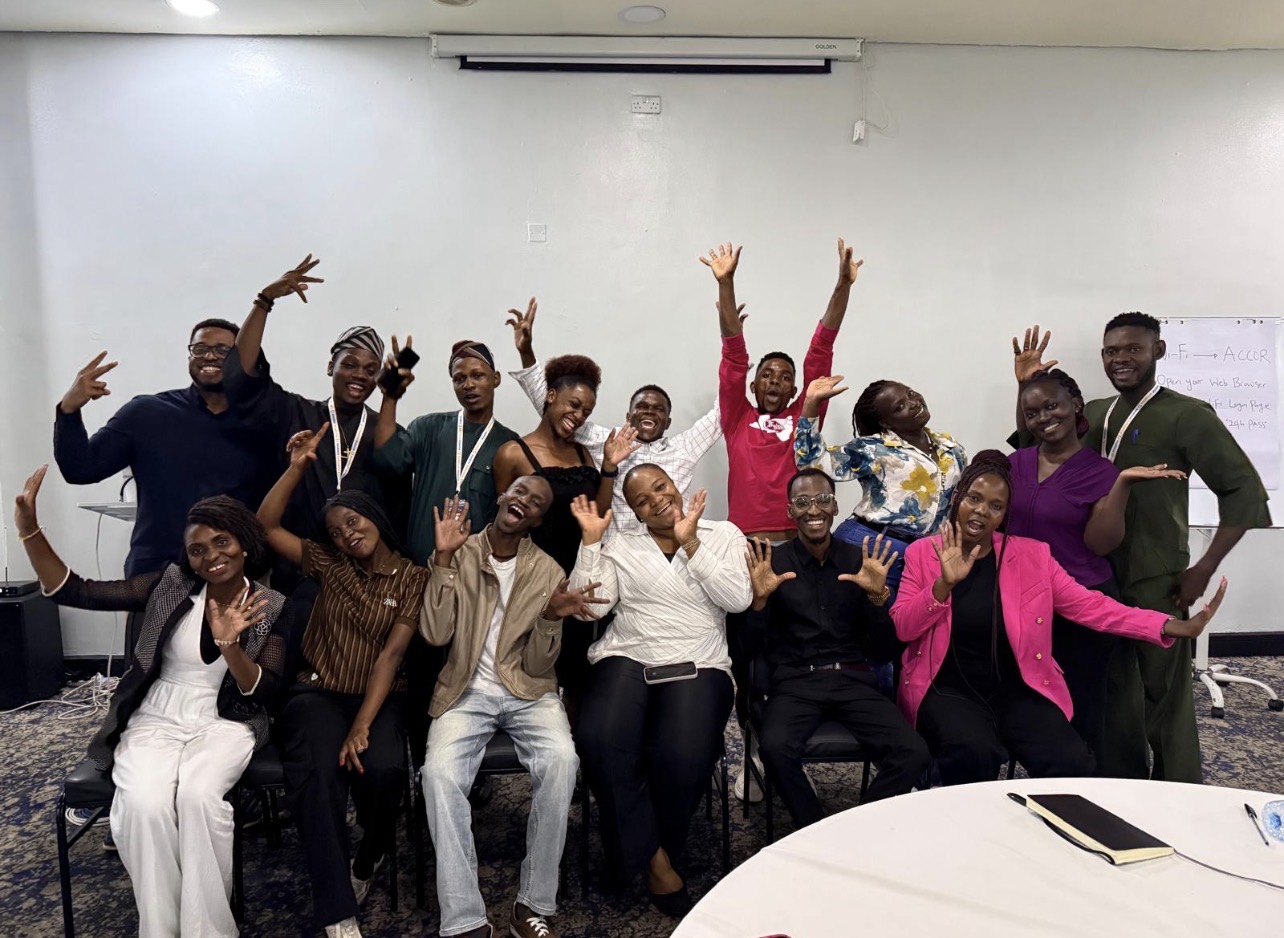
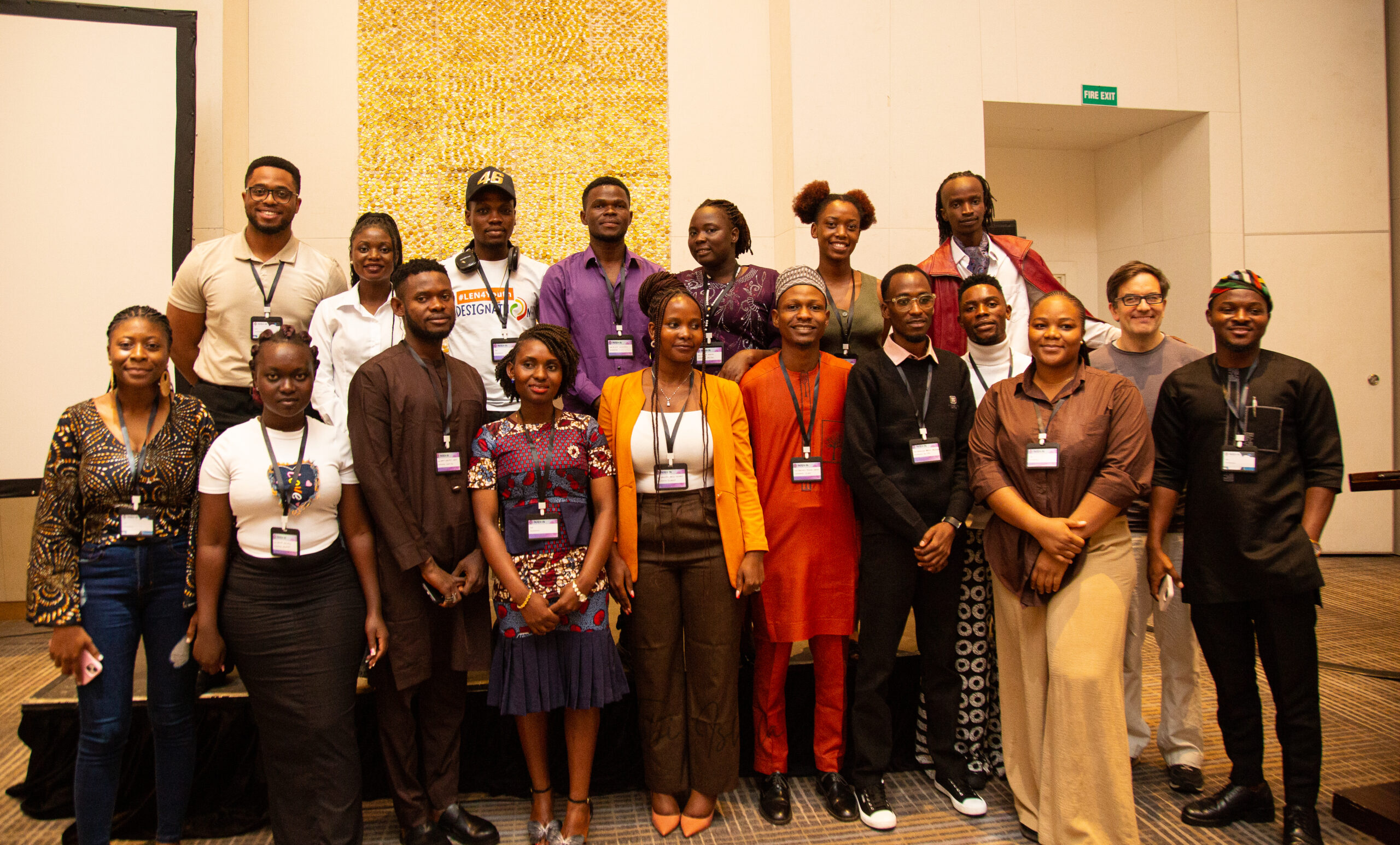
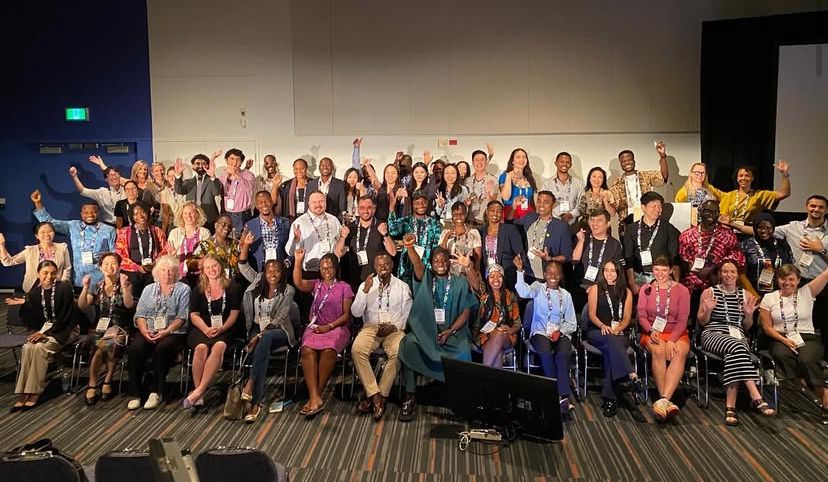
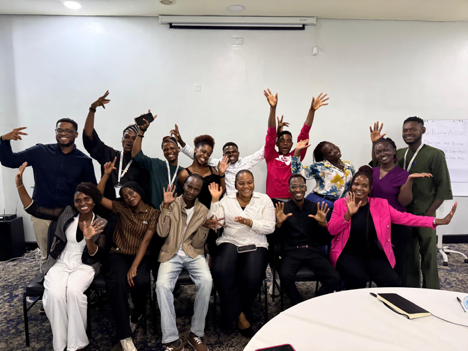
YAB members gather in person for the first time at the pre-meeting workshop in Lagos, Nigeria.

Building the Skills to Lead

The journey began with capacity building.

Throughout the year, YAB members strengthened their skills in research writing, storytelling, blogging, digital communication, and translating complex research findings into language and formats that young people can understand and connect with. These experiences were not simply about acquiring new skills; they created the foundation for members to participate more meaningfully in the research process.

As confidence grew, so did the opportunities to contribute.

For Pimer Clare, a YAB member from MUJHU, the experience has changed how she sees her place within research, “Being part of the YAB and youth-led dissemination has helped me see myself as an active partner in research, representing young people’s voices and ensuring findings reach and benefit our communities.”

That shift from being a recipient of research to seeing oneself as an active partner became an important thread throughout the YAB’s work in 2026.


From Learning to Co-Creating

With this foundation in place, the YAB began developing a Youth-Led Research Dissemination Framework, bringing greater structure to the question of how young people can work alongside researchers to communicate HIV implementation science.

The framework is rooted in collaboration, co-creation, accessibility, and youth leadership. Rather than positioning young people at the end of the research process, it creates space for them to contribute to decisions about how findings are translated, which messages are prioritized, what formats are most accessible, and how research can be communicated in ways that resonate with young audiences.

For Beene Chitempa of ZAIMARA, this experience reinforced the importance of closing the gap between research participation and access to research knowledge, “It (being a YAB member) has made me realize that beyond participating in research, we must intentionally share findings with participants and communities, ensuring research knowledge reaches those who contributed to it.”


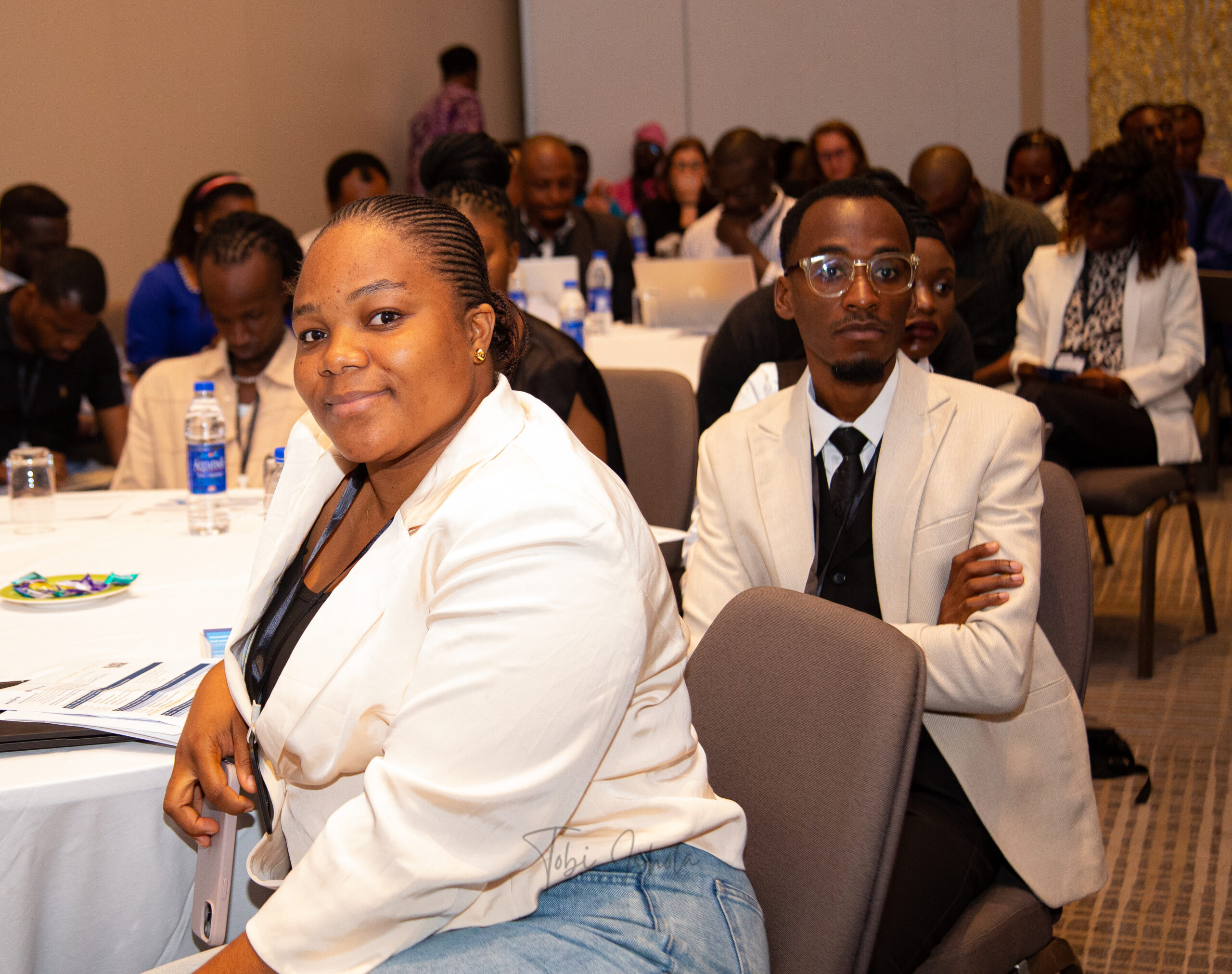
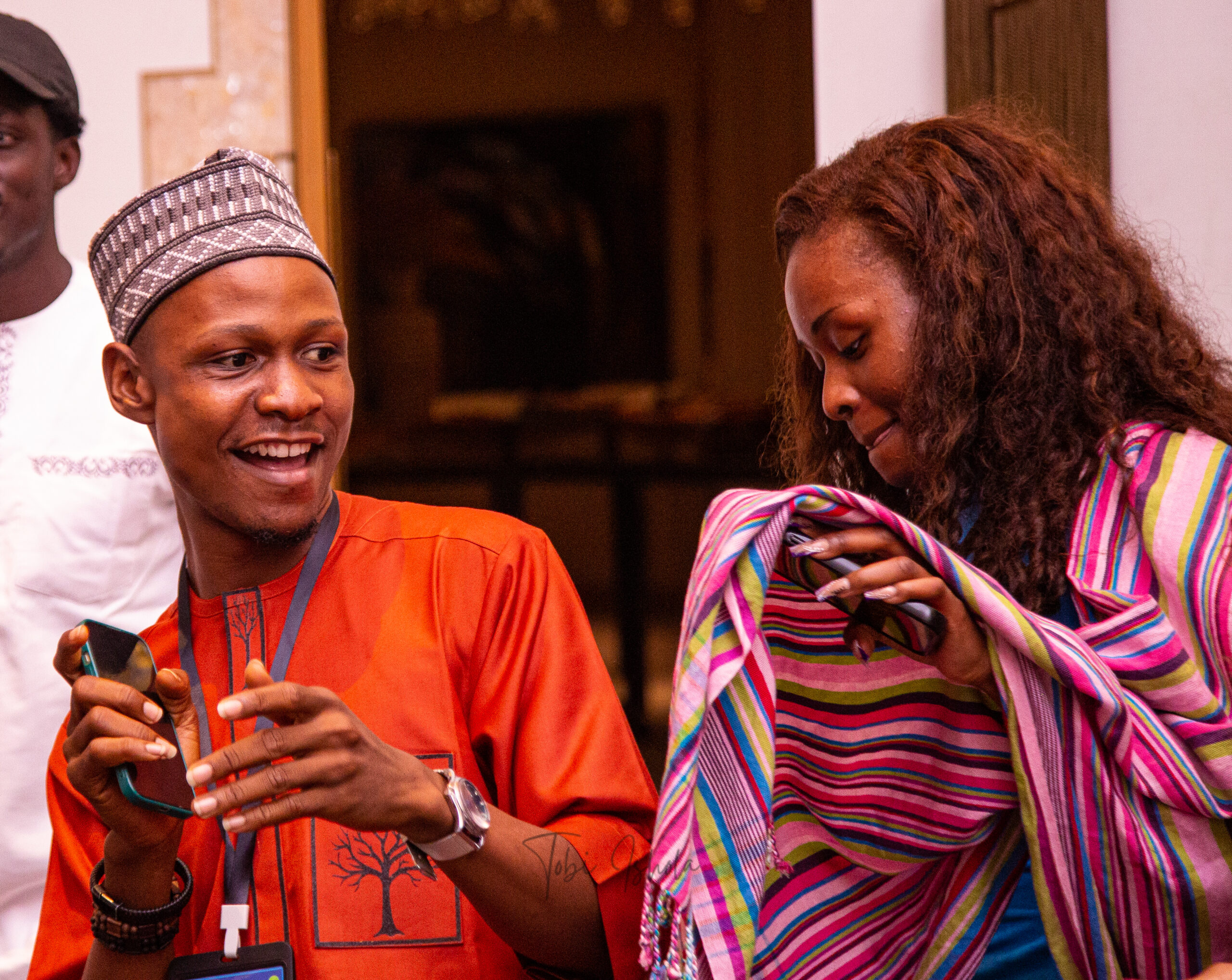
YAB Members at the pre-meeting workshop meeting and Annual Meeting in Lagos.
Putting the Approach into Practice in Lagos

Ideas started to take shape in a new way during the PATC³H-IN Annual Meeting in Lagos, Nigeria, from May 4–7, 2026.

For the first time, YAB members came together in person for a dedicated pre-meeting workshop focused on youth-led research dissemination. The workshop provided space to test ideas, exchange perspectives, receive feedback, and think through how research findings could be transformed into engaging and accessible content for young people.

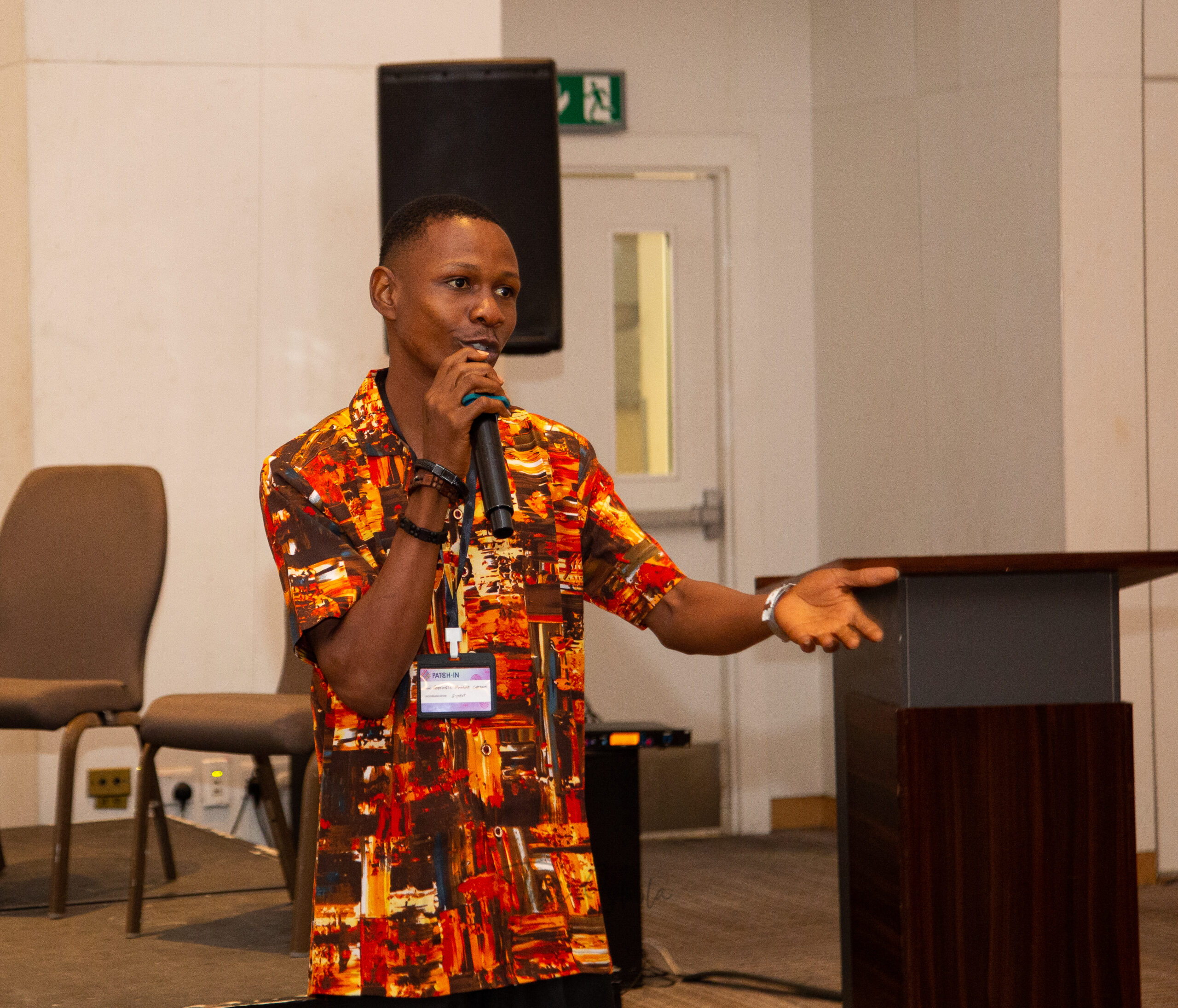
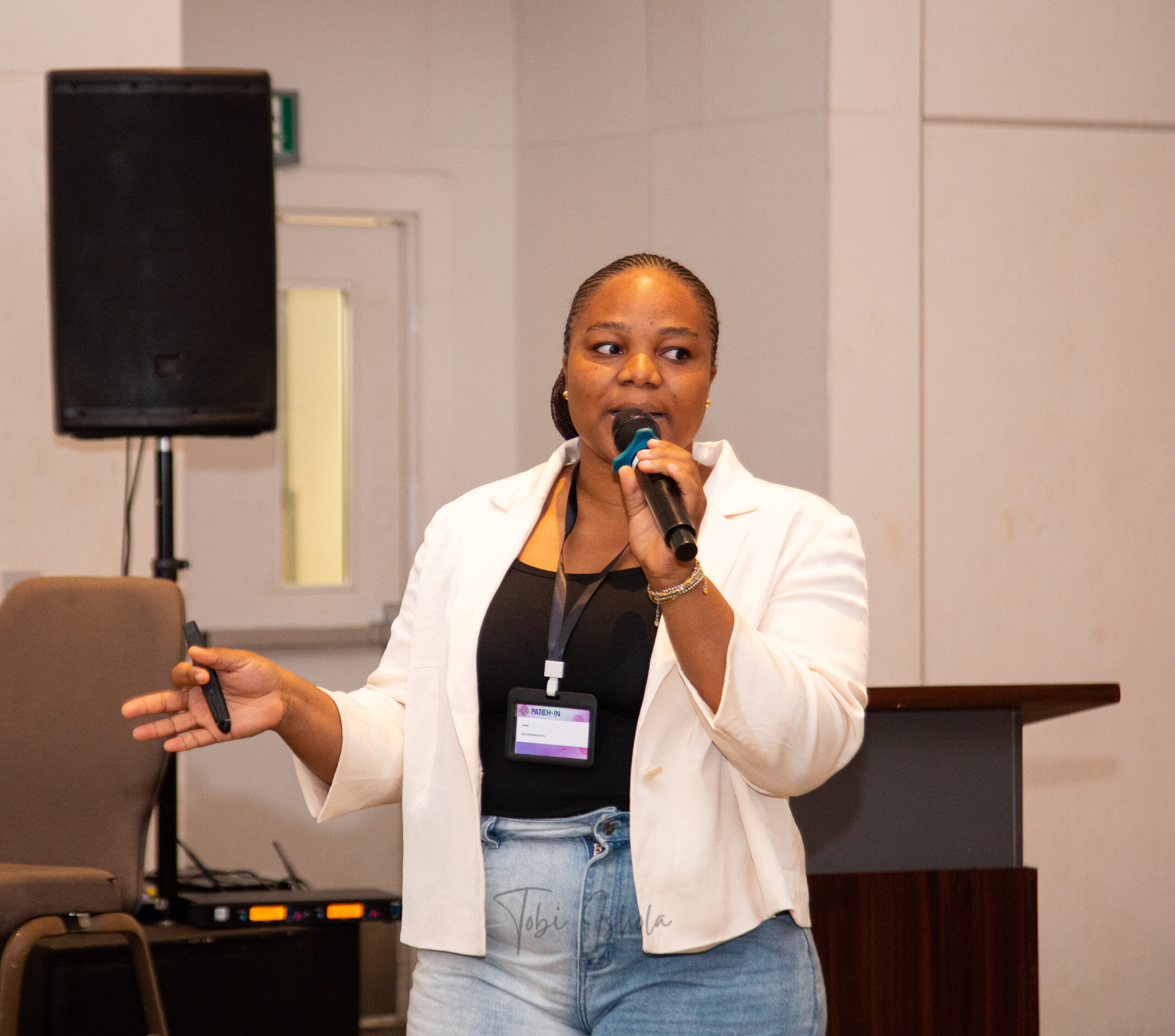
The conversation continued at the Annual Meeting, where the YAB Co-Chairs — Aishat Adedoyin Koledowo (S-ITEST, Nigeria) and Nomujuni Natukwatsa (MUJHU, Uganda) — presented “Youth Advisory Board: Reality Check & Translation.” The presentation highlighted the evolving contributions of YAB members across manuscripts, abstracts, social media, dissemination planning, and implementation science.

Lagos became more than a meeting point. It became a bridge between capacity building and application, giving YAB members an opportunity to move from discussing youth-led dissemination to actively putting it into practice.


Turning Evidence into Stories

Following the Annual Meeting, the YAB moved from planning to production. Members worked with researchers to translate complex research findings into short, accessible videos. They developed key messages and video scripts, produced the videos, and worked alongside researchers to ensure that scientific findings remained accurate while becoming easier for broader audiences to understand and engage with.

This was a significant moment in the YAB’s journey.

Young people were no longer simply advising on what researchers should consider. They were creating the content through which research could be understood and shared.

For Hannah Nancy Nkhoma of VS4A, Malawi, the experience has strengthened both her confidence and her understanding of what youth participation can look like: “Being part of YAB and youth-led dissemination has shown me that young people can shape research, and it has also strengthened my confidence that I can integrate youth voices into meaningful research practice.”

The videos became a practical expression of the belief that research should be translated with young people, rather than simply translated for them.


Looking Beyond Production to Reach

As the videos were shared, the YAB began looking beyond the question of whether content had been produced to a more important question: what difference might different dissemination approaches make to the visibility and reach of research?

Between May 26 and July 17, 2026, manuscripts with video promotion recorded 183 abstract views compared with 61 for manuscripts without video promotion. Promotion also led to 16 full-text downloads compared with 10. The difference was also visible in citation counts. Between May 26 and August 22, 2026, manuscripts with video promotion recorded 46 citations compared with 15 for manuscripts without video promotion.

These are observed differences between manuscripts with and without video promotion and do not, on their own, establish that video promotion caused the higher levels of engagement or citations. Nevertheless, the findings provide an important opportunity for the YAB and research teams to explore how creative, youth-led approaches can contribute to making research more visible and accessible.

For the YAB, measurement is becoming part of the dissemination process itself, helping the team understand what reaches audiences, how they engage, and what can be improved.


Taking Youth Leadership into Research Spaces

The YAB’s growing role has not been limited to digital dissemination. Engagement with the Scientific Leadership Committee (SLC) and External Research and Scientific Board (ERSB) provided opportunities for YAB members to share their progress, receive feedback, and demonstrate how youth-led dissemination can strengthen the relationship between research and the communities it seeks to serve.

The YAB also carried its voice beyond PATC³H-IN. At AIDS 2026 in Rio de Janeiro, YAB representation gave voice to youth perspectives on international conversations on HIV, health research, and meaningful youth engagement, including participation in youth co-creation spaces.

The YAB’s contribution to the WHO/TDR Practical Youth Co-Creation Guide launched in April, further reflected its commitment to meaningful participation. The guide reinforces the importance of involving young people from the beginning of research and programme processing not bringing them in only after the key decisions have already been made.

Together, these experiences are helping redefine what youth leadership can look like within research.

Mba Chinedu Ude of iCARE+ Nigeria reflected, “Being part of YAB has shifted my focus to amplifying youth voices in research. I am more intentional about inclusivity and impact now, and it has made me see research as a tool for youth empowerment, not just data collection. Now I focus on amplifying voices and driving change.”


From Youth Voice to Youth Leadership

The YAB’s journey in 2026 has ultimately been about more than dissemination. It has been about transformation. Transformation in how young people see themselves within research. Transformation in how researchers and young people collaborate. And transformation in how evidence can move from academic publications into conversations, platforms, and communities where it can be widely understood and utilized.

The next phase for YAB will build on this foundation by strengthening youth-led research products, expanding collaboration between YAB members and researchers, developing digital storytelling and communication skills, documenting lessons, and using engagement data to refine future dissemination approaches.

The goal is not simply to create more content. It is to continue creating the skills, structures, platforms, and opportunities that allow young people to meaningfully shape research and lead how knowledge is communicated.

Because significant youth engagement is not only about giving young people a seat at the table. It is about ensuring they have the skills to contribute, the space to co-create, the confidence to lead, and the opportunity to see their ideas move beyond the table and into action.

From youth voice to youth leadership, 2026 has been a year of putting that principle into practice and the journey is only beginning.


When Rio Came Together to Co-Create: Youth, Health, and Research at AIDS 2026 Rio de Janeiro, Brazil

When Rio Came Together to Co-Create: Youth, Health, and Research at AIDS 2026 Rio de Janeiro, Brazil

Written by Nomujuni Neale Natukwatsa, INSPIRE Youth Advisory Board Co-Chair

What happens when young people, researchers, health practitioners and community stakeholders from different countries, institutions and lived experiences come together in one room not simply to talk about young people, but to co-create with them?

That was the spirit of the Youth Co-creation for Health Workshop held at the Escola Nacional de Saúde Pública Sergio Arouca at Fiocruz Manguinhos ahead of AIDS 2026 in Rio de Janeiro, Brazil.

The workshop brought together participants representing a diverse range of organisations and institutions, including CEDAPS, Baylor-Botswana, University of Washington, Wake Forest University, Rio Youth Force, Decola Cria/GOYN Rio de Janeiro, Fiocruz, RNAJVHA, ACS, SZNDIR, UNICEF, INT EVOLUX and UNC, among others. The diversity extended beyond institutional affiliations. With at least 70% of participants speaking Portuguese, the workshop created a valuable bridge between the local youth community in Rio and the international AIDS 2026 community.

This diversity was important. It meant that conversations about youth participation were not happening from a single perspective. Young people, researchers, community organisations, academic institutions and global health partners brought different experiences and ways of understanding the challenges facing young people in health.

Group photo during the Rio Youth Co-creation Workshop.

From participation to partnership

The workshop was built around the Youth Co-creation for Health: Practical Guide, developed by SESH in partnership with UNICEF and TDR. The guide approaches youth co-creation as an iterative process in which young people and researchers work together while deliberately recognising and addressing power imbalances.

 The afternoon began with introductions to the practical guide, reflections celebrating Rio’s youth, an exploration of Fiocruz’s role in the local youth community, and a discussion on inclusion. The discussion included the question of what it takes to ensure that young people dealing with systematic stigma are not left behind. And a panel brought together perspectives from WHO, CEDAPS, Decola Cria, RNAJVHA, and Fiocruz, creating space for dialogue between local and international experiences.

But the heart of the workshop was the co-creation activity.

Participants worked in small groups of six to eight, bringing young people and adults together to explore two practical questions. The first question asked how we might imagine a future where young people facing systemic stigma — including those living with HIV, disabilities, and other conditions — are not discriminated against or excluded from work. The second question challenged participants to think creatively about how the Youth Co-creation Practical Guide could be disseminated in different settings with young people taking the lead.

Participants were encouraged to pay attention to power imbalances, create space for young people’s contributions, generate ideas together, and identify their strongest proposals before sharing them with the wider group. This was co-creation in practice. Not a presentation about youth participation, but a room where people had to listen, negotiate, create, and make decisions together.

When the conversation continued beyond Fiocruz

One of the most memorable aspects of the workshop was that the conversation did not end when the formal programme ended. Later that evening, participants gathered for dinner, creating an informal space to continue exchanging experiences, challenge ideas, build friendships, and explore opportunities for future collaboration. For a workshop centered on relationships and shared power, this informal continuation mattered. It allowed people to connect beyond their institutional roles and discover the experiences and motivations behind the work.

The group enjoying a post-workshop dinner.

Why this matters for INSPIRE

The Rio workshop demonstrated an important principle; meaningful youth engagement is not about simply creating opportunities for young people to participate. It is about creating processes where young people can influence the questions, contribute their knowledge and lived experiences, shape solutions, and help determine what success looks like.

It also demonstrated the value of bringing different communities together. Local youth organisations and community networks. Researchers and universities. Global health institutions and international partners. Young people and adults. Different perspectives, brought into the same space, can challenge assumptions and create possibilities that may not emerge when people work in isolation.

This workshop offered a practical example of what youth co-creation can look like when diversity is treated as an asset rather than a complication.

The lesson from Rio is simple. Young people should not simply be invited to the table. They should help shape what is on it.

And the co-creation continues.

Youth Voices at the Center: Reflections from the PATC³H-IN INSPIRE Annual Meeting in Lagos, Nigeria

Youth Voices at the Center: Reflections from the PATC³H-IN INSPIRE Annual Meeting in Lagos, Nigeria

By: Nomujuni Neale Natukwatsa & Aishat Adedoyin Koledowo

From May 4–7, 2026, researchers, policymakers, implementers, and young people from across Africa gathered in Lagos, Nigeria, for the annual meetings of the Prevention and Treatment Through a Comprehensive Care Continuum for HIV-Affected Adolescents in Resource-Constrained Settings Implementation Science Network (PATC3H-IN) and Innovative Network on the Science and Practice of Implementation, Research, and Engagement (INSPIRE). Hosted at the Lagos Marriott Hotel Ikeja, the meeting convened voices from multiple Clinical Research Centers (CRCs) across eight African countries to reflect on progress, spark innovation, and strengthen youth-centered approaches to HIV prevention, care, and advocacy.

As members of the INSPIRE Youth Advisory Board (YAB), we arrived in Lagos, meeting in-person for the first time as the YAB, carrying more than presentations and workshop materials. We brought lived experiences, community stories, and a shared commitment to ensuring that young people are not merely participants in HIV research but co-creators, leaders, and decision-makers. More importantly, we came with a clear message: meaningful impact and engagement happens when initiatives are built with young people, not for them.

The meeting focused heavily on implementation science, sustainability of HIV programs, youth-centered innovation, and meaningful youth engagement. But one theme consistently stood out throughout the week: “Young people are no longer the leaders of tomorrow; they are the leaders of today,” – Temitope Ilori, Director General of the National Agency for the Control of AIDS. In her words:

 “They are already shaping HIV research and policy.”


Beginning with Youth-Led Dissemination

The week officially began on May 4 with a half-day Youth Advisory Board (YAB) pre-conference workshop held at the Mövenpick Hotel, Ikeja, Lagos, focused on youth-led research dissemination. The workshop reflected months of collaboration that began earlier in January, when YAB members across the eight Clinical Research Centers (CRCs) within the PATC3H-IN network came together to develop youth-friendly dissemination videos. These videos were designed to translate HIV research findings into engaging, accessible content that resonates more meaningfully with young audiences, responding to the growing need for research communication that young people can easily connect with and understand.

Fourteen youth-led dissemination videos were presented and reviewed during the workshop. The atmosphere was both exciting and deeply reflective. Participants, including external reviewers and non-YAB members, were divided into small breakout groups to review the videos using a SWOT analysis approach.

What made this workshop powerful was not simply the videos themselves, but the process behind them. Young people had taken complex research findings and transformed them into relatable stories, visuals, and messages that communities could understand. The discussions was guided by clarity, creativity, inclusiveness, and communication effectiveness.  Reviewers provided constructive feedback that challenged us to think more critically about audience engagement, storytelling, and accessibility. Rather than criticism, the feedback sessions felt like co-creation in action, with researchers, implementers, and young people learning from one another.

The workshop ended with certificate presentations recognizing the work of the YAB members and discussions on publication, dissemination plans, and future engagement strategies. For many of us, this recognition hinted at something bigger. Young people can help accelerate dissemination of research findings.

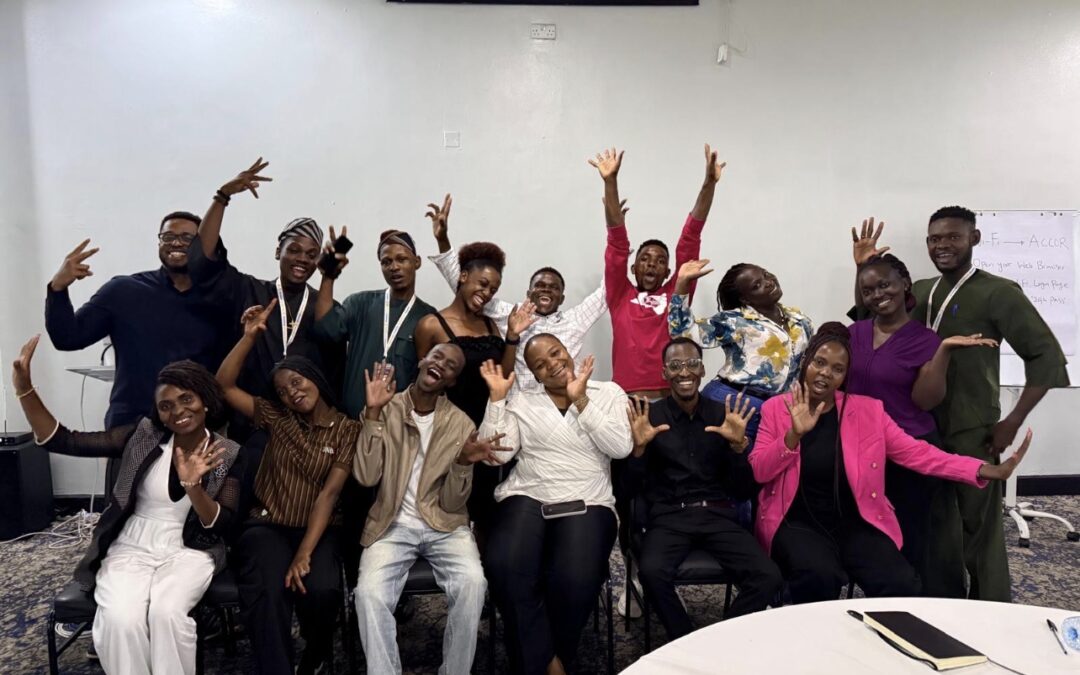
YAB Members (Back row-from left; YAB liaison Dr. Kelechi Chima, Hezekaiah Samuel, Godswill Nwoha, Anele Zulu, Asima Kapalepale, Phillip Chinseu, Claire Pimer, Raine Renatus, and Chinedu Ude. Front row-from left; Jackline Msusa, Stella Chiyonga, Nathan Nganga, Aishat Koledowo, Neale Nomujuni, and Hannah Nkhoma. Pc: Prof Joseph Tucker

Putting Youth Experiences on the Main Stage

On May 5, the official INSPIRE Day 1 of the Annual Meeting began with sessions focused on youth-led innovation, implementation science, and partnership building. One of the major highlights for the YAB was the session titled “Youth Advisory Board (YAB): Reality Check & Translation.”

Together as co-chairs, we presented an overview of the INSPIRE Cross-PATC³H-IN Youth Advisory Board, reflecting on our journey from 2025 to date. The presentation highlighted how young people across the CRCs have contributed to manuscript development, abstract submissions, social media engagement, dissemination planning, and implementation science activities.

Beyond metrics and outputs, we reflected on the importance of creating spaces where youth perspectives are genuinely valued. Too often, youth engagement is discussed theoretically. At INSPIRE and PATC³H-IN, we experienced what it means when young people are integrated into leadership, planning, and dissemination efforts in meaningful ways.

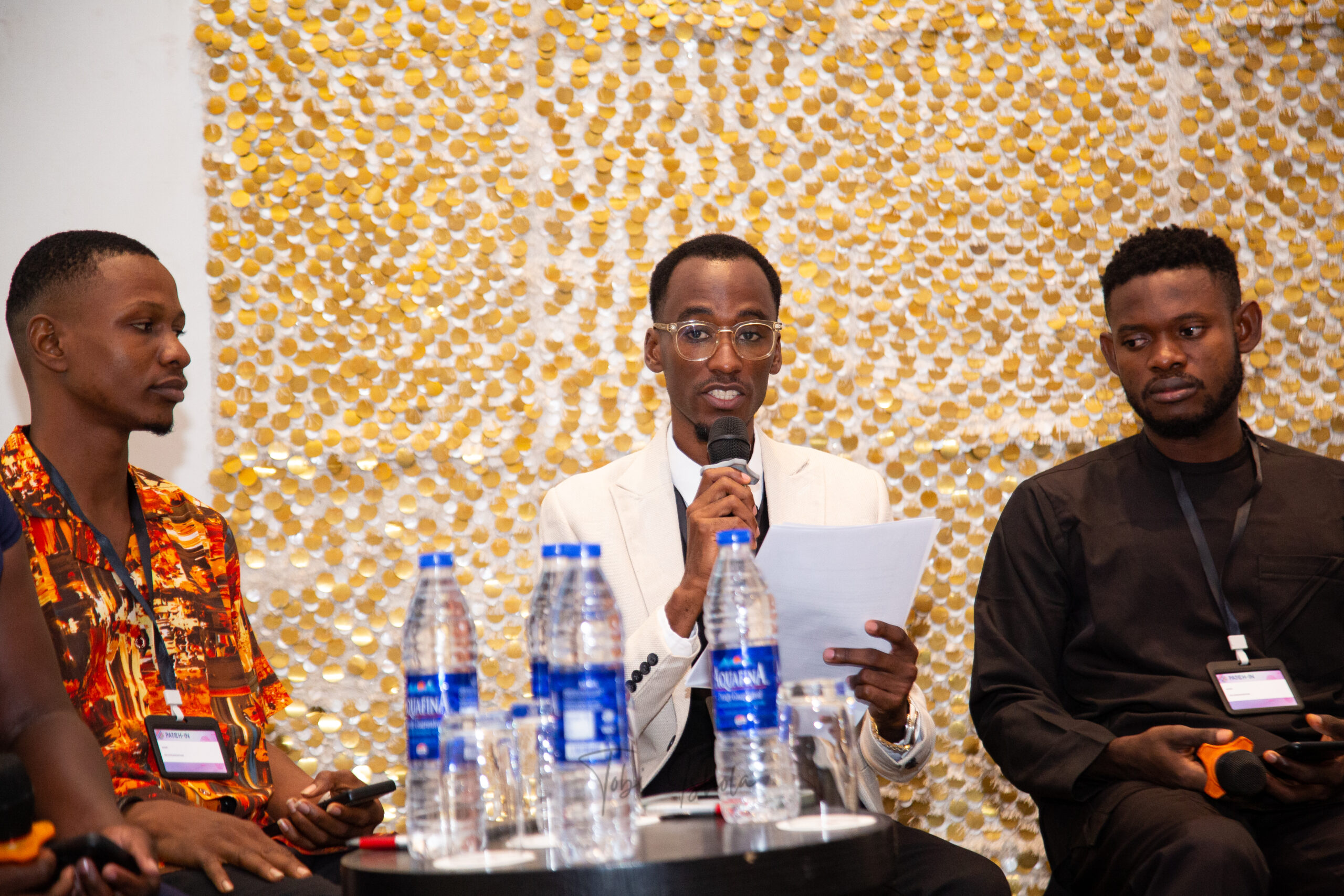
The panel discussion that followed became one of the most emotional and inspiring moments of the meeting. YAB members shared personal reflections on their journeys, the challenges of balancing advocacy and academics, navigating stigma, and learning how to speak confidently in global research spaces.  There was honesty in those conversations. Young people spoke not only as beneficiaries of HIV programs but also as researchers, storytellers, implementers, and leaders shaping the future of adolescent HIV programming.

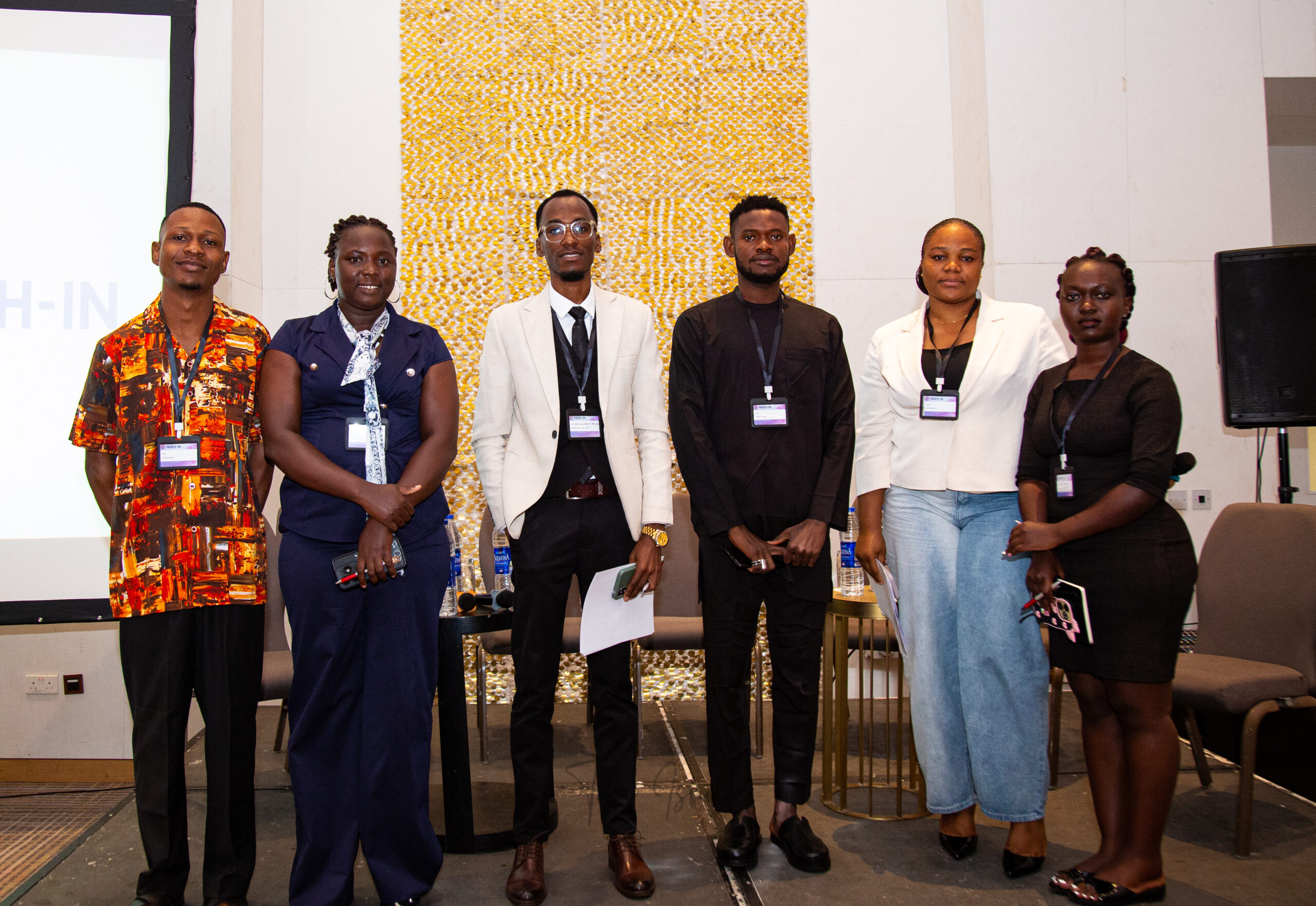
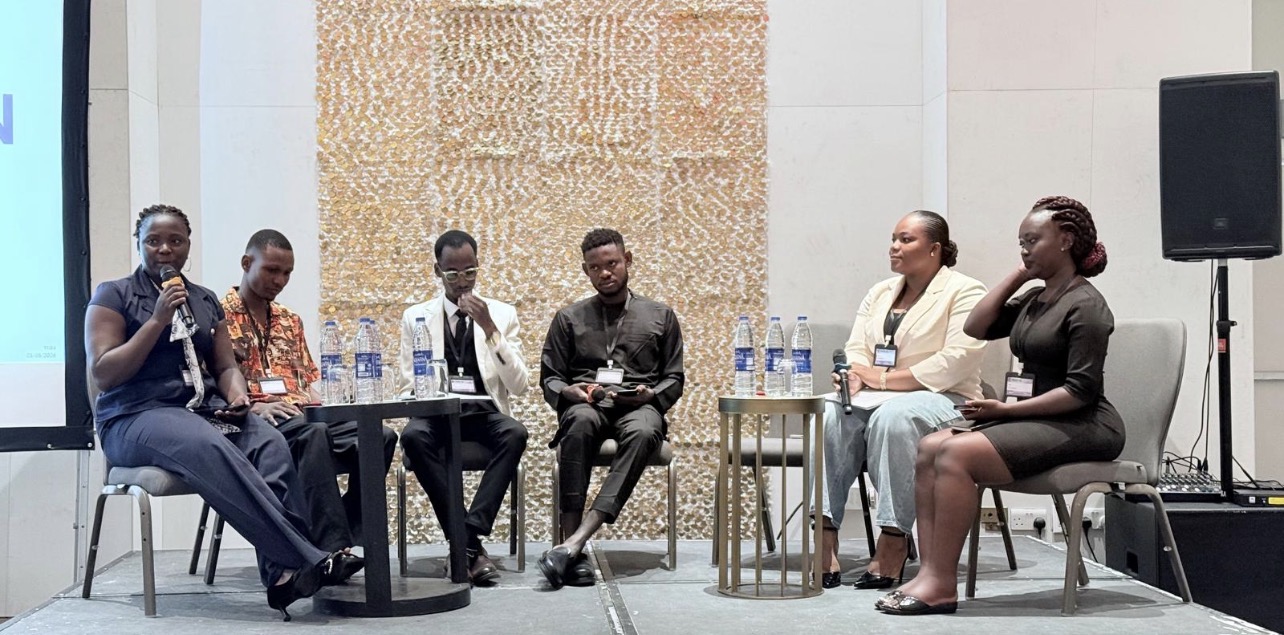
YAB Panel Discussion (From left to right; Pimer Claire, Godswill Nwoha, Neale Nomujuni, Chinedu Ude, Aishat Koledowo, Raine Renatus  PC: Prof. Joseph Tucker

Bridging Research and Policy

During the meeting, youth engagement took another important step forward during the “Youth HIV Research Dissemination for Policy-Makers Workshop.” The session explored how youth-friendly dissemination strategies can influence advocacy and policy change.

Co-chair Neale Nomujuni had the opportunity to participate as a panelist in a discussion on disseminating research to influence policy in Nigeria, alongside policymakers, researchers, and implementation scientists. The discussion centered on a critical question: how do we ensure research findings move beyond conference rooms and journal publications into actual policy and community impact? One recurring message emerged clearly, “policymakers need evidence that is understandable, timely, practical, and community-informed”. Young people are uniquely positioned to bridge this gap because we understand how to communicate research in ways that resonate with our peers and communities.

Later that day, CRC breakout sessions co-led by Dr. Kelechi P. Chima and Aishat Adedoyin Koledowo provided an opportunity for YAB members to further refine dissemination strategies for their videos while sharing lessons learned from their respective countries. The discussions highlighted the diversity of contexts represented across the network while also revealing common challenges faced by young people and HIV programs across African settings.


More Than a Meeting

Beyond the formal agenda, the annual meeting became a space for connection, mentorship, and inspiration. Young people networked with researchers, policymakers, and fellow advocates from across the continent. Conversations continued in hallways, during meals, and long after sessions had ended.

There was also something deeply affirming about seeing youth voices centered throughout the meeting, not as symbolic representation, but as active contributors to scientific and implementation discussions representations.


Youth Co-creation Practical Guide Launch 

The launch of the Youth Co-Creation Guide further reinforced this commitment to meaningful youth engagement. The guide emphasizes that young people should be involved from the beginning of projects, not brought in after decisions have already been made.

As we returned home to our different CRCs, many of us carried renewed motivation and clearer purpose. The week in Lagos reminded us that youth-led work matters. Young people are capable of translating evidence into action, transforming research into stories, and turning lived experience into leadership.

The future of adolescent HIV prevention and care cannot be designed without young people at the center. In Lagos, that future felt visible, collaborative, and already in motion.

“Engagement should move beyond consultation to co-creation because the most sustainable HIV youth solutions are built with young people, not for them”

Back row from the left; Dr. Kelechi Chima, Stella Chinyonga, Hezekaiah Samuel, Asima Kapalepale, Claire Pimer, Anele Zulu, Nathan Nganga. Front row from the left; Beene Chitempa, Raine Renatus, Chinedu Ude, Jackie Msusa, Hannah Nkhoma, Godswill Nwoha, Neale Nomujuni, Phillip Chinseu, Aishat Koledowo, Prof. Joseph Tucker, and Abdulahammed Babatunde

The Unseen Scars: Why Family Rejection Fuels Suicide in Adolescents Living with HIV

The Unseen Scars: Why Family Rejection Fuels Suicide in Adolescents Living with HIV

Written by: Aishat Adedoyin Koledowo, Co-Chair INSPIRE Youth Advisory Board, S-ITEST, Nigeria

Family should be an unshakeable source of love, safety, and understanding for young people. After all, it provides the foundation upon which they build the resilience needed to face the world’s challenges. Yet, for far too many adolescents, home becomes the first place of rejection.

Although these issues don’t often make headlines, abuse and stigmatization within families can drive suicidal thoughts and actions among young people with HIV. While society often points fingers at generic causes like “peer pressure” or “mental weakness,” we rarely discuss the invisible crisis unfolding behind closed doors: the isolation, the relentless verbal attacks, abuse and the constant reminder of being “different” and “useless” delivered by the people meant to protect them.

The Silent Abuse: What Stigma Sounds Like at Home

Stigma from family members is rarely a single, overt act; instead, it’s a slow-acting poison that manifests as emotional neglect, physical distancing, and cruel language, creating a deep wound of exclusion. This rejection is often rooted in fear and misinformation about HIV transmission, leading to subtle but devastating microaggressions that establish physical and emotional distance, such as a family member pulling back and instructing: “Don’t share cups with me. You need your own plate. Don’t use this! Don’t use that!” Stigma often escalates into emotional abuse that harms the adolescent’s self-esteem and future hopes, cutting deepest because it comes from a primary caregiver. It may sound like: “You are a useless child. You will never amount to anything, and this is your punishment,” or the harsh accusation of bringing shame upon the family. An adolescent, still navigating their emotional development and identity, internalizes this consistent rejection as absolute confirmation that “I am unworthy of love.”

The Breaking Point: From Stigma to Suicidal Thought

Adolescents living with HIV already manage complex challenges, including a strict medication schedule, potential body changes, and the ever-present fear of disclosure. When these difficulties are relentlessly compounded by family rejection or abuse including physical violence, harsh punishments, or deliberate social isolation to “protect the family image” their emotional resilience shatters. These experiences are direct fuel for depression, which is the single biggest predictor of suicide. Without a foundation of emotional support, young people internalize the shame until it morphs into profound hopelessness. Their inner dialogue, once focused on coping, becomes riddled with crushing anxiety and self-doubt, leading to desperate questions like, “how will I ever tell my partner about this when my own mother won’t touch me?” and, “will I ever be able to be someone important in life, or am I just a burden?” This progression of shame and withdrawal fuels suicidal ideation and a feeling that “I just want to end it all”. The tragedy is that these young people are not succumbing to the virus; they are tragically succumbing to the condemnation that has replaced the compassion they desperately need.

Stories Behind the Silent Statistics

Behind every statistic detailing youth suicide and HIV, there is a devastating, preventable story. Consider the case of a teenage girl who stopped taking her essential ARV medication simply because her mother would only communicate with her via notes, labeling her “a disgrace.” In this scenario, the fear of confrontation and rejection became a greater threat than the disease itself. There was also a boy who attempted suicide after being severely beaten for simply disclosing his status to a trusted teacher, believing he had ruined his family’s reputation forever. These are not isolated incidents; they represent countless silent battles occurring in homes worldwide where fear, often fueled by profound misinformation, tragically trumps basic human empathy and a child’s fundamental right to safety and acceptance.

A Call for Compassion

When stigma begins at home, the process of healing must also begin there. Families and communities possess the power to save lives by fundamentally changing their response from one of fear to one based on facts, and from one of shame to one of unwavering support. This begins with education, recognizing that HIV is a manageable, chronic condition, and proactively debunking myths, such as the idea that sharing cups transmits the virus. Crucially, it demands unconditional love, as research has confirmed that just one supportive adult can drastically reduce the risk of suicide among vulnerable youth. Promoting open conversations is vital, ensuring adolescents have safe spaces to ask their biggest, scariest questions about their future, relationships, and identity without the fear of judgment. For families struggling to cope, seeking professional help through counseling may help them to process the diagnosis and rebuild trust. Ultimately, governments and NGOs must recognize this link by integrating robust, accessible mental health services directly into adolescent HIV care programs, ensuring the treatment of the mind is prioritized as much as the treatment of the body.

Choose Compassion, Save Lives

Adolescents living with HIV do not need pity; they need understanding, respect, and unconditional love. When families make the courageous choice of compassion over shame, they do far more than just save a relationship they save a life. It is incumbent upon all of us to recognize the silent crisis of family stigmatization and play our part in ending the suicides it tragically fuels. If you know an adolescent living with HIV, be the reason they feel seen and valued—not ashamed and alone. We must collectively speak up against family stigma and start the necessary conversation today.

Meet the New INSPIRE Youth Advisory Board Leadership Team for Year 2

Meet the New INSPIRE Youth Advisory Board Leadership Team for Year 2

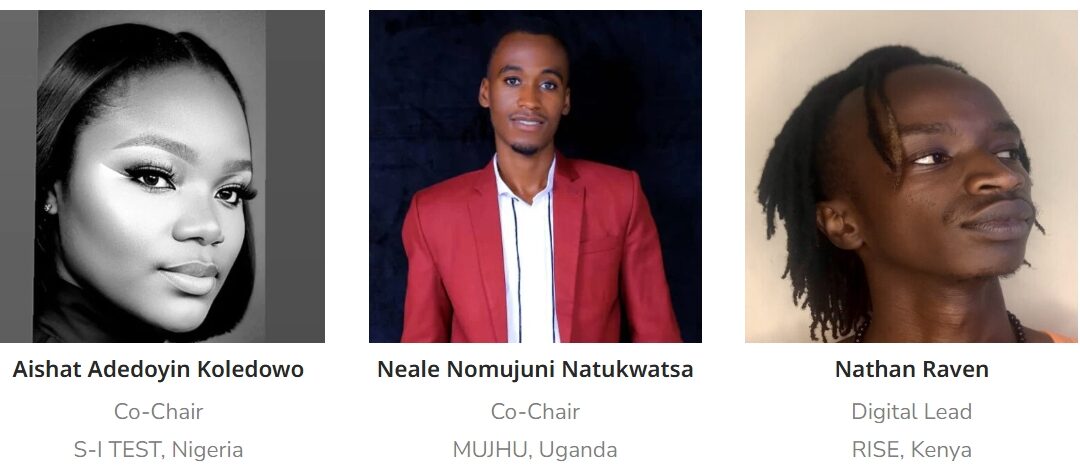
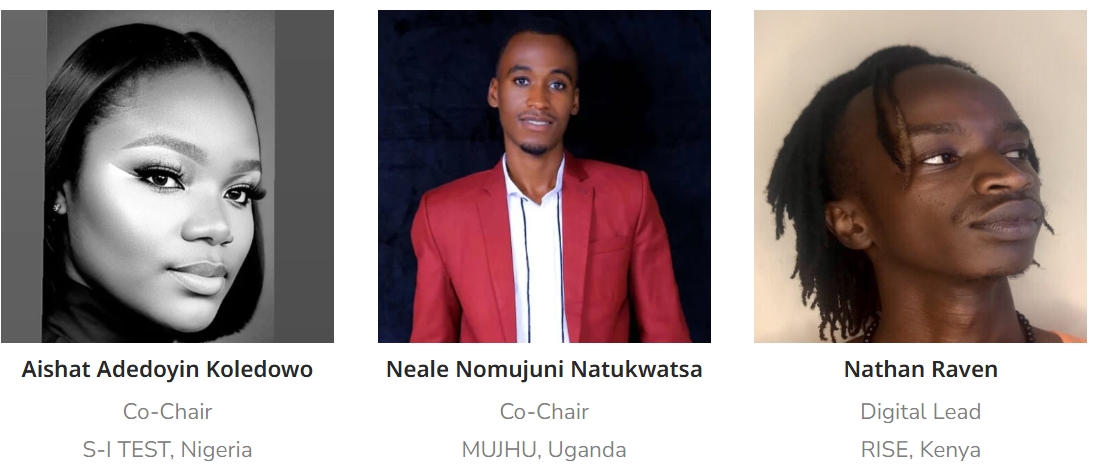
The CROSS PATC³H-IN Youth Advisory Board (YAB) is thrilled to begin a new chapter as it welcomes a vibrant and passionate leadership team for Year 2. This year’s transition brings both renewal and continuity: the YAB Co-Chairs were reelected by the YAB CRC members following a thorough review of their applications, reaffirming confidence in their leadership, while the Digital Lead was newly selected through the same rigorous process. Together, this team reinforces our commitment to ensuring that young people remain at the center of efforts to end HIV. The YAB continues to be a driving force for youth advocacy, uniting young leaders whose creativity, lived experiences, and fresh perspectives shape the future of HIV prevention, care, and research.

Leading this year’s team is re-elected Co-Chair Aishat Adedoyin Koledowo from S-I TEST, Nigeria. With a strong background in public health, particularly in infectious diseases and reproductive health research, Aishat has consistently championed youth empowerment and health equity. Now in her second year with the YAB, she remains committed to equipping young people with the knowledge, access, and confidence they need to take charge of their health. Her dedication ensures that youth voices are not only heard but meaningfully embedded in strategic decisions that impact communities across the continent.

Joining her as Co-Chair is re-elected Neale Nomujuni Natukwatsa from MUJHU, Uganda. Neale brings extensive experience in youth leadership, public health, and policy advocacy, along with a deep passion for inclusive youth participation. Known for advancing health rights and social accountability, he is committed to guiding the board’s strategic vision and fostering strong collaboration among members. Together, Aishat and Neale are well positioned to lead the YAB in ways that keep young people at the forefront of HIV-related initiatives across the PATC³H-IN project and its partner networks.

The leadership team also welcomes new digital lead, Nathan Raven from RISE, Kenya as Digital Lead. With a background in fine arts and design, Nathan brings a unique creative spark to the Board. His passion for storytelling and community impact aligns closely with the YAB’s mission of elevating youth voices through digital platforms. Beyond his artistic skill, he aims to bridge communication and advocacy by offering fresh ideas and authentic insights that reflect the realities of young people. His role will be central in leveraging digital tools to share youth stories, amplify key messages, and inspire collective action.

This new leadership team embodies the YAB’s core values of youth-led innovation and shared leadership. Together, they represent a vision where young people are not passive participants but active drivers of change in HIV advocacy, research, and policy. In the year ahead, the YAB plans to deepen youth engagement, strengthen networks, and address ongoing challenges such as stigma, misinformation, and limited access to care.

As the PATC³H-IN Youth Advisory Board begins another impactful year, the energy and dedication of its leadership promise new opportunities for growth, transformation, and meaningful progress. Their continued efforts will amplify youth voices and inspire change across communities.

Next Gen Leadership: Reflecting on Y1 of the PATC3H-IN Youth Advisory Board

Next Gen Leadership: Reflecting on Y1 of the PATC3H-IN Youth Advisory Board

Guest Authors: Aishat Adedoyin Koledowo and Neale Natukwatsa Nomujuni | Co-chairs, PATC³H-IN YAB

When youth are actively involved in adolescent policy and programming, not just as beneficiaries but as leaders and decision makers, the outcomes are more relevant, relatable, and sustainable.

As the PATC³H-IN YAB marks the end of our first year, we pause to reflect on our journey so far. This year has been focused on building a strong foundation, amplifying youth voices, and ensuring young people are genuinely engaged in shaping solutions around HIV and health. From awareness campaigns to youth-centered research and advocacy, we have worked relentlessly to highlight the power of youth-led change.

The YAB

A selfie with three people in a colorful hallwayA youth advisory board (YAB) is a structured group of young people who provide their perspectives, insights, and recommendations to organizations, research initiatives, or government bodies. YABs are often part of NGOs, public health and research projects, helping to shape programs and policies that affect youth by ensuring their voices are meaningfully included in decision-making. Members typically range in age from 15 to 24, though this can vary.
The cross-PATC³H-IN YAB includes youth representatives from each of the different PATC³H-IN projects, ensuring a broad and inclusive perspective across the network. Our YAB consists of 16 members and is led by a team of elected co-chairs (that’s us!). We are committed to championing youth participation, reducing stigma, advancing HIV prevention, and strengthening access to health services in the resource-limited settings where we live.

Year One Progress and Accomplishments

Social Media Campaigns and Awareness

Throughout the year, the YAB has implemented several strategies to connect with the youth network across the different PATC³H-IN Clinical Research Centers. Our social media campaigns created digital platforms that make it easy to engage with peers. By producing creative content, we’ve been able to reach a wider range of youth audiences, sparking discussions about HIV awareness, mental health, and youth involvement. YAB members have simplified complex messages into relatable calls to action through social media.

Youth Survey and Town Hall Meeting

Growing youth discussions led to the development and launch of a youth-focused survey designed to gather perspectives on HIV-related issues across Africa. This allowed us to understand different youth viewpoints on HIV, the role of youth in HIV programming, and the impact of USAID funding cuts.

With over 190 survey responses, it became apparent that organizing a virtual town hall meeting was necessary to complement the survey distribution. This event fostered open dialogue, encouraging honest conversations to identify key issues, challenges, and potential remedies, offering a platform for young people to share their experiences, ideas, and recommendations on tackling HIV/AIDS.

We have begun to draft a research paper to highlight the findings from this process.

Spotlight Sessions and Capacity Building

Youth engagement is more than a box to check; it is the heartbeat of change. During our first year, the YAB introduced youth engagement strategies through capacity building and a social media campaign celebrating youth achievements in advocacy and health. We have stepped forward not just as participants but as leaders, shaping conversations, research, and action around HIV and health. The Spotlight Series posts were a recurring feature across the INSPIRE social media platforms (Instagram, X, LinkedIn) and designed to celebrate the achievements of our members. These curated posts highlighted individual accomplishments, milestones, or contributions within the YAB and broader PATC³H-IN community. They served as a way to recognize and uplift youth voices, promote peer inspiration, and build a sense of collective pride and visibility across our network.

YAB members are being trained in research writing, content creation, and blogging to boost personal development and YAB visibility. These skills are central to engagement, enabling youth to share stories, ideas, and solutions, impacting research, grant writing, and projects addressing genuine needs. YAB members now co-author work to transform their communities instead of being spoken for. In advocacy, they’ve raised bold voices, challenged stigma, promoted inclusivity, and paved paths for others.


Two lanyards with nametagsThe STI & HIV World Congress

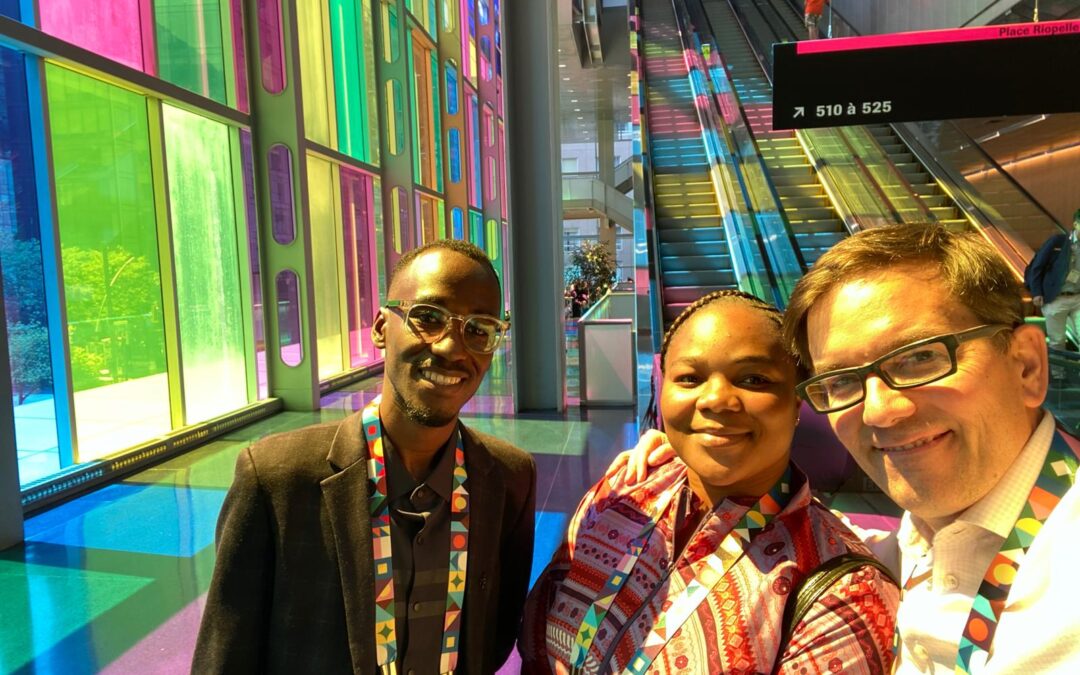
Under the theme “Sexual Health for All,” the STI & HIV World Congress 2025 held in Montreal, Canada, in September demonstrated how co-creation transitioned from theory to practice.We were invited to attend and to facilitate a lively workshop focused on the revision of a TDR practical guide on youth co-creation. We led discussions between researchers and advocates to develop strategies for sexual health and community engagement. We were sure to emphasize the vital role of YABs in amplifying youth voices, ensuring that campaigns and innovations tell stories that genuinely reflect real needs and lived experiences. By encouraging collaboration and shared ownership, young leaders show that co-creation is more than just a process—it’s a path to more responsive and fair solutions for youth health needs.

A large group of people pose for a photo

Our Year One Impact

This year was not without challenges. Yet, the obstacles we faced only reinforced the need for innovation and collaboration. By leveraging digital tools and peer-to-peer networks, we found that meaningful engagement was possible even in difficult circumstances.

We are proud of what we’ve accomplished together, especially:

  • Reaching hundreds of youths through virtual awareness campaigns.
  • Collecting valuable insights from youth across multiple countries via our survey.
  • Engaging peers and stakeholders through our virtual town hall dialogues.
  • Contributing to the academic and policy space with our upcoming research paper and advocacy toolkit.
  • Representing African youth at the 2025 STI/HIV World Congress, amplifying youth-led solutions on a global platform.

Focus for Year Two

As we step into our second year, we will be focused on:

  • Expanding our reach to engage more with the youth across diverse networks.
  • Showcasing YAB insights at conferences, ensuring youth perspectives are visible in global spaces.
  • Building capacity, equipping members with advanced skills in writing, advocacy, and digital engagement.
  • Scaling our media campaigns, reaching even more young people with messages of awareness, empowerment, and change.

Acknowledgement:

We express our sincere gratitude to our board members, partners, and the many young people who entrusted us with their stories and energy. Year one was just the start of our journey together; we are working towards a future where youth are seen as leaders, not merely participants.

Meet the YAB

Click on a name to learn more.

Aishat Adedoyin Koledowo | Co-Chair
S-I TEST, Nigeria

Aishat Koledowo is a public health professional with a deep commitment to youth empowerment and health equity. Her journey began as a youth advocate, where she led an impactful initiatives to promote HIV self-testing, awareness and healthy behaviors among young people. That early experience shaped her strong dedication to ensuring that every young person has access to knowledge and resources to make informed health decisions.

Over the years, Aishat has built extensive experience in research, community mobilization, stakeholder engagement, and health promotion. She has worked with diverse groups and organizations, always promoting collaboration to achieve shared goals. Her work is rooted in a strong belief in inclusive decision-making and the power of youth-focused health initiatives.

Aishat currently serves as a Research Officer at Lagos State Health Management Agency (LASHMA), where she drives evidence-based interventions to strengthen health systems. She also plays a key role as a Youth Ambassador for 4 Youth By Youth (S-ITEST), leading HIV self-testing campaigns to empower youth.

Her involvement with INSPIRE began as Co-Chair of the Youth Advisory Board, where she remains an active voice in promoting global health advocacy. Aishat continues to be a driving force for positive change, always seeking new ways to uplift and empower young people.

Outside of work, Aishat enjoys mentoring youth and exploring innovative health strategies.

Neale Nomujuni Natukwatsa | Co-chair
MUJHU, Uganda

Nomujuni Neale Natukwatsa is a dedicated healthcare provider, youth advocate, counselor, teacher, and early-career researcher with a deep passion for adolescent health, HIV prevention, and mental health wellness. He serves as Head of YAB with IDRC/MUJHU and as Co-Chair of the INSPIRE Youth Advisory Board, where he champions meaningful youth engagement in health policy and programming. Nomujuni works closely with Uganda’s Ministry of Health as an Associate under the Young Adolescent Peer Support program, shaping national strategies that prioritize the voices and needs of young people.

With multidisciplinary expertise, Nomujuni brings a grounded understanding of the real-life challenges adolescents face in navigating healthcare. His work includes co-creating community-based solutions such as peer navigation, advising on youth-centered study design, facilitating consultations and public dialogues, co-developing tailored interventions, and strengthening referral pathways. Through research, advocacy, and collaboration, he is committed to building inclusive, ethical, and responsive systems—proving that youth are not just participants, but powerful leaders of change.

Stella Chinyonga | Digital Lead
ZAIMARA, Zambia

Stella Chinyonga is a devoted public health nurse with passion in health advocacy. She has made significant strides in promoting health and wellness in underserved communities. With experience as a volunteer nurse and programs manager at Tabene youth Advocacy Network, Stella developed and implemented impactful HIV/AIDS prevention programs. She currently serves as a Digital Lead for the INSPIRE Youth Advisory Board, leading the Youth Advocates for Change initiatives to amplify youth voices in implementation science. Her work has been recognized by the Center for Infectious Disease Research in Zambia (CIDRZ) for outstanding efforts in HIV/AIDS advocacy and was appointed as one of the youth community advisory board representative. Stella’s passion lies in improving health outcomes and empowering communities, particularly in HIV/AIDS prevention and management. She is committed to making a lasting impact and collaborating with like-minded individuals to create positive change.

Beene Chitempa

ZAIMARA, Zambia

Beene Chitempa is a nurse by profession with a passion for empowering young people to make informed health decisions. With experience in teaching, facilitation, community engagement, and data management, she has worked with diverse groups to drive positive change. Her journey began as a peer educator, creating safe spaces for youth to discuss sexual and reproductive health.

Beene has served as a Training Coordinator on the Southern Africa Accelerated Innovation Delivery Initiative (AID-I), promoting climate resilience among young women and youth in rural communities. As a CIDRZ Executive Committee Member and INSPIRE YAB member, she advocates for youth voices in all stages of project implementation. Throughout her career, she has championed women and youth focused initiatives, emphasizing inclusive decision making and amplifying marginalized voices.

Asanele Ndevu

ATTUNE, South Africa

Godswill Nwoha Chisom

S-I TEST, Nigeria

Godswill Nwoha Chisom is a passionate healthcare professional and youth advocate with over four years of experience in community outreach, program coordination, and peer education. Currently pursuing a degree in Guidance and Counselling at the University of Abuja, he has served as a counselor, HTS focal person, and peer educator at Kuje General Hospital. He is the Assistant Program Coordinator at Beyond Development for Africa Youth Advancement Initiative, S-I Test Ambassador for the 4YBY project, and CEO of Zoommax Cleaning and Delivery Services. Godswill has led several successful outreaches with AHF, championed youth-friendly initiatives, and has a strong track record in monitoring and reporting. His dedication, leadership, and communication skills make him a valuable asset to any cause or organization.

Raine Alamanya Renatus

MWOTAJI, Tanzania

Esther Mangadzuwa

VS4A, Malawi

Rukia Hassan

MWOTAJI, Tanzania

Nicolas Shima Aernan

RISE, Nigeria

Pimer Clare

MUJHU, Uganda

Pimer Clare is a student doing secretarial and office management work. Pimer is interested in creating youth awareness of HIV/AIDS. In addition to serving as a youth advisory board member for INSPIRE, Pimer serves as a peer and community advisory board member at Kagadi hospital under HIV prevention department

Desderata Mlachila

VS4A, Malawi

Desderata Mlachila is a well-disciplined, focused and self motivated with good interpersonal and communication skills. An innovative and creative person who quickly learns new skills and embraces changes, she has a passion for serving others on leading roles. A major achievement in her life was managing to advise children who had high viral loads that are now suppressed. Desderata loves my work and it is her wish to reach out the needy and those who fail to take drugs so that they can adhere and achieve viral suppression.

Chinedu Mbah

iCARE Plus, Nigeria

Hezekiah Samuel

iCARE Plus, Nigeria

Philip Chinseu

RISE, Nigeria

Thandekile "Tiny" Thusini

ATTUNE, South Africa

Thandekile “Tiny” Thusini is a leader, facilitator, public speaker, and human rights activist from KwaZulu Natal, Pietermaritzburg, in South Africa. She is a conversationalist passionate about youth empowerment and community development. She serves as a director of UMBONO NPO; a chairperson for Home of Hope Youth Foundation, a 2025 SunshineCinema Spark impact facilitator; Youth Advisory Board member in AHISA(SA) For Youth Adolescent Research in HIV; and a youth reporter at Sinomlando Centre and former radio presenter at UMgungundlovu FM local radio station.