
By: Nomujuni Neale Natukwatsa & Aishat Adedoyin Koledowo
From May 4–7, 2026, researchers, policymakers, implementers, and young people from across Africa gathered in Lagos, Nigeria, for the annual meetings of the Prevention and Treatment Through a Comprehensive Care Continuum for HIV-Affected Adolescents in Resource-Constrained Settings Implementation Science Network (PATC3H-IN) and Innovative Network on the Science and Practice of Implementation, Research, and Engagement (INSPIRE). Hosted at the Lagos Marriott Hotel Ikeja, the meeting convened voices from multiple Clinical Research Centers (CRCs) across eight African countries to reflect on progress, spark innovation, and strengthen youth-centered approaches to HIV prevention, care, and advocacy.
As members of the INSPIRE Youth Advisory Board (YAB), we arrived in Lagos, meeting in-person for the first time as the YAB, carrying more than presentations and workshop materials. We brought lived experiences, community stories, and a shared commitment to ensuring that young people are not merely participants in HIV research but co-creators, leaders, and decision-makers. More importantly, we came with a clear message: meaningful impact and engagement happens when initiatives are built with young people, not for them.
The meeting focused heavily on implementation science, sustainability of HIV programs, youth-centered innovation, and meaningful youth engagement. But one theme consistently stood out throughout the week: “Young people are no longer the leaders of tomorrow; they are the leaders of today,” – Temitope Ilori, Director General of the National Agency for the Control of AIDS. In her words:
“They are already shaping HIV research and policy.”
Beginning with Youth-Led Dissemination
The week officially began on May 4 with a half-day Youth Advisory Board (YAB) pre-conference workshop held at the Mövenpick Hotel, Ikeja, Lagos, focused on youth-led research dissemination. The workshop reflected months of collaboration that began earlier in January, when YAB members across the eight Clinical Research Centers (CRCs) within the PATC3H-IN network came together to develop youth-friendly dissemination videos. These videos were designed to translate HIV research findings into engaging, accessible content that resonates more meaningfully with young audiences, responding to the growing need for research communication that young people can easily connect with and understand.
Fourteen youth-led dissemination videos were presented and reviewed during the workshop. The atmosphere was both exciting and deeply reflective. Participants, including external reviewers and non-YAB members, were divided into small breakout groups to review the videos using a SWOT analysis approach.
What made this workshop powerful was not simply the videos themselves, but the process behind them. Young people had taken complex research findings and transformed them into relatable stories, visuals, and messages that communities could understand. The discussions was guided by clarity, creativity, inclusiveness, and communication effectiveness. Reviewers provided constructive feedback that challenged us to think more critically about audience engagement, storytelling, and accessibility. Rather than criticism, the feedback sessions felt like co-creation in action, with researchers, implementers, and young people learning from one another.
The workshop ended with certificate presentations recognizing the work of the YAB members and discussions on publication, dissemination plans, and future engagement strategies. For many of us, this recognition hinted at something bigger. Young people can help accelerate dissemination of research findings.
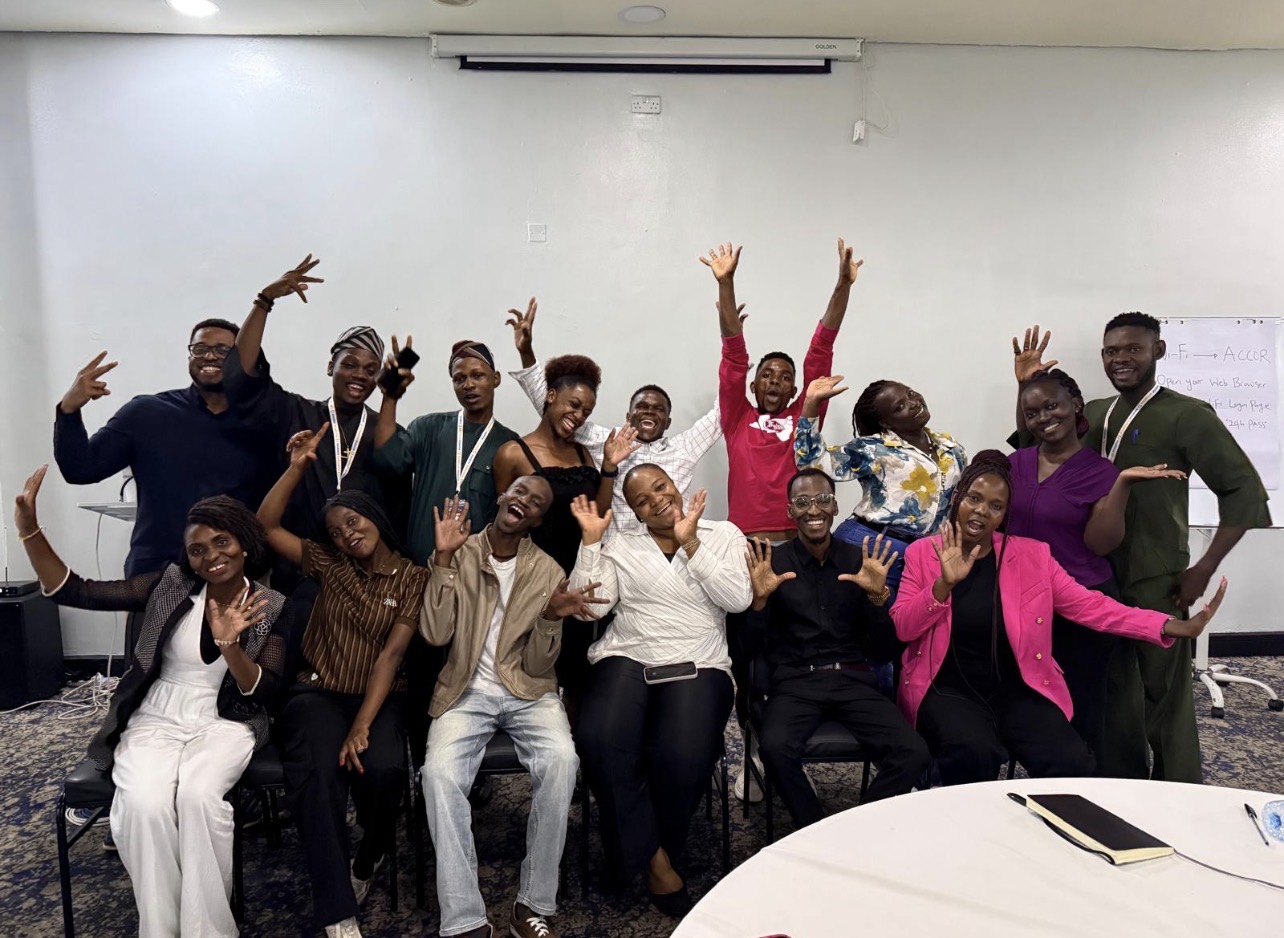
YAB Members (Back row-from left; YAB liaison Dr. Kelechi Chima, Hezekaiah Samuel, Godswill Nwoha, Anele Zulu, Asima Kapalepale, Phillip Chinseu, Claire Pimer, Raine Renatus, and Chinedu Ude. Front row-from left; Jackline Msusa, Stella Chiyonga, Nathan Nganga, Aishat Koledowo, Neale Nomujuni, and Hannah Nkhoma. Pc: Prof Joseph Tucker
Putting Youth Experiences on the Main Stage
On May 5, the official INSPIRE Day 1 of the Annual Meeting began with sessions focused on youth-led innovation, implementation science, and partnership building. One of the major highlights for the YAB was the session titled “Youth Advisory Board (YAB): Reality Check & Translation.”
Together as co-chairs, we presented an overview of the INSPIRE Cross-PATC³H-IN Youth Advisory Board, reflecting on our journey from 2025 to date. The presentation highlighted how young people across the CRCs have contributed to manuscript development, abstract submissions, social media engagement, dissemination planning, and implementation science activities.
Beyond metrics and outputs, we reflected on the importance of creating spaces where youth perspectives are genuinely valued. Too often, youth engagement is discussed theoretically. At INSPIRE and PATC³H-IN, we experienced what it means when young people are integrated into leadership, planning, and dissemination efforts in meaningful ways.
The panel discussion that followed became one of the most emotional and inspiring moments of the meeting. YAB members shared personal reflections on their journeys, the challenges of balancing advocacy and academics, navigating stigma, and learning how to speak confidently in global research spaces. There was honesty in those conversations. Young people spoke not only as beneficiaries of HIV programs but also as researchers, storytellers, implementers, and leaders shaping the future of adolescent HIV programming.
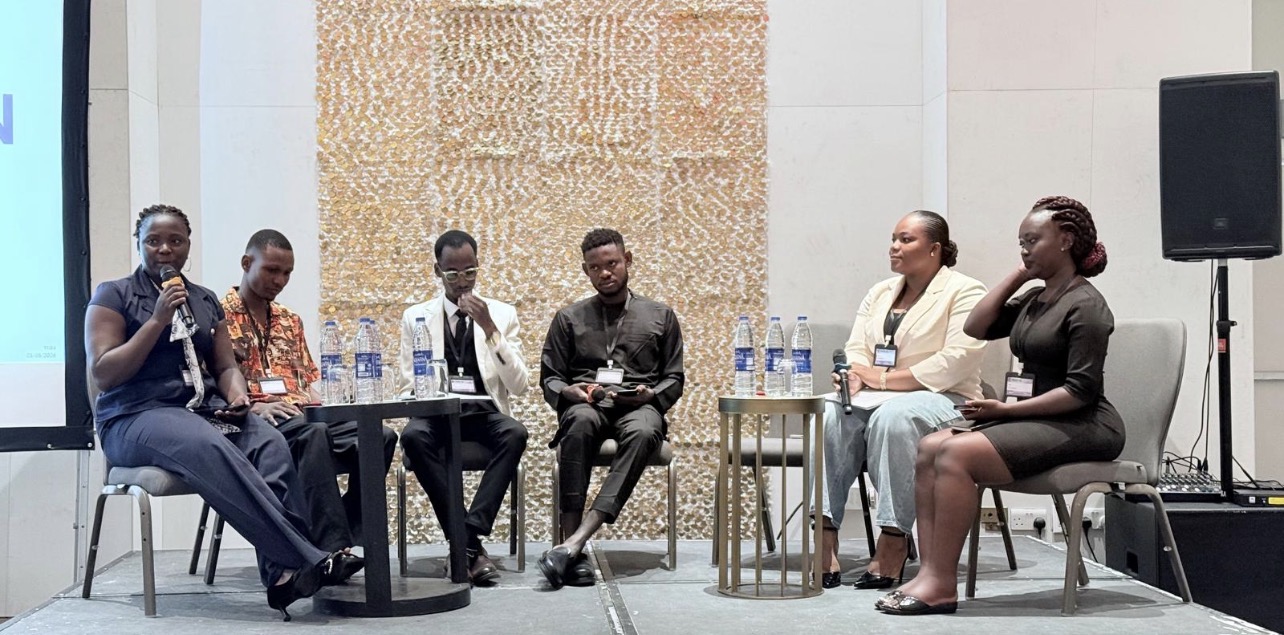
YAB Panel Discussion (From left to right; Pimer Claire, Godswill Nwoha, Neale Nomujuni, Chinedu Ude, Aishat Koledowo, Raine Renatus PC: Prof. Joseph Tucker
Bridging Research and Policy
During the meeting, youth engagement took another important step forward during the “Youth HIV Research Dissemination for Policy-Makers Workshop.” The session explored how youth-friendly dissemination strategies can influence advocacy and policy change.
Co-chair Neale Nomujuni had the opportunity to participate as a panelist in a discussion on disseminating research to influence policy in Nigeria, alongside policymakers, researchers, and implementation scientists. The discussion centered on a critical question: how do we ensure research findings move beyond conference rooms and journal publications into actual policy and community impact? One recurring message emerged clearly, “policymakers need evidence that is understandable, timely, practical, and community-informed”. Young people are uniquely positioned to bridge this gap because we understand how to communicate research in ways that resonate with our peers and communities.
Later that day, CRC breakout sessions co-led by Dr. Kelechi P. Chima and Aishat Adedoyin Koledowo provided an opportunity for YAB members to further refine dissemination strategies for their videos while sharing lessons learned from their respective countries. The discussions highlighted the diversity of contexts represented across the network while also revealing common challenges faced by young people and HIV programs across African settings.
More Than a Meeting
Beyond the formal agenda, the annual meeting became a space for connection, mentorship, and inspiration. Young people networked with researchers, policymakers, and fellow advocates from across the continent. Conversations continued in hallways, during meals, and long after sessions had ended.
There was also something deeply affirming about seeing youth voices centered throughout the meeting, not as symbolic representation, but as active contributors to scientific and implementation discussions representations.
Youth Co-creation Practical Guide Launch
The launch of the Youth Co-Creation Guide further reinforced this commitment to meaningful youth engagement. The guide emphasizes that young people should be involved from the beginning of projects, not brought in after decisions have already been made.
As we returned home to our different CRCs, many of us carried renewed motivation and clearer purpose. The week in Lagos reminded us that youth-led work matters. Young people are capable of translating evidence into action, transforming research into stories, and turning lived experience into leadership.
The future of adolescent HIV prevention and care cannot be designed without young people at the center. In Lagos, that future felt visible, collaborative, and already in motion.
“Engagement should move beyond consultation to co-creation because the most sustainable HIV youth solutions are built with young people, not for them”
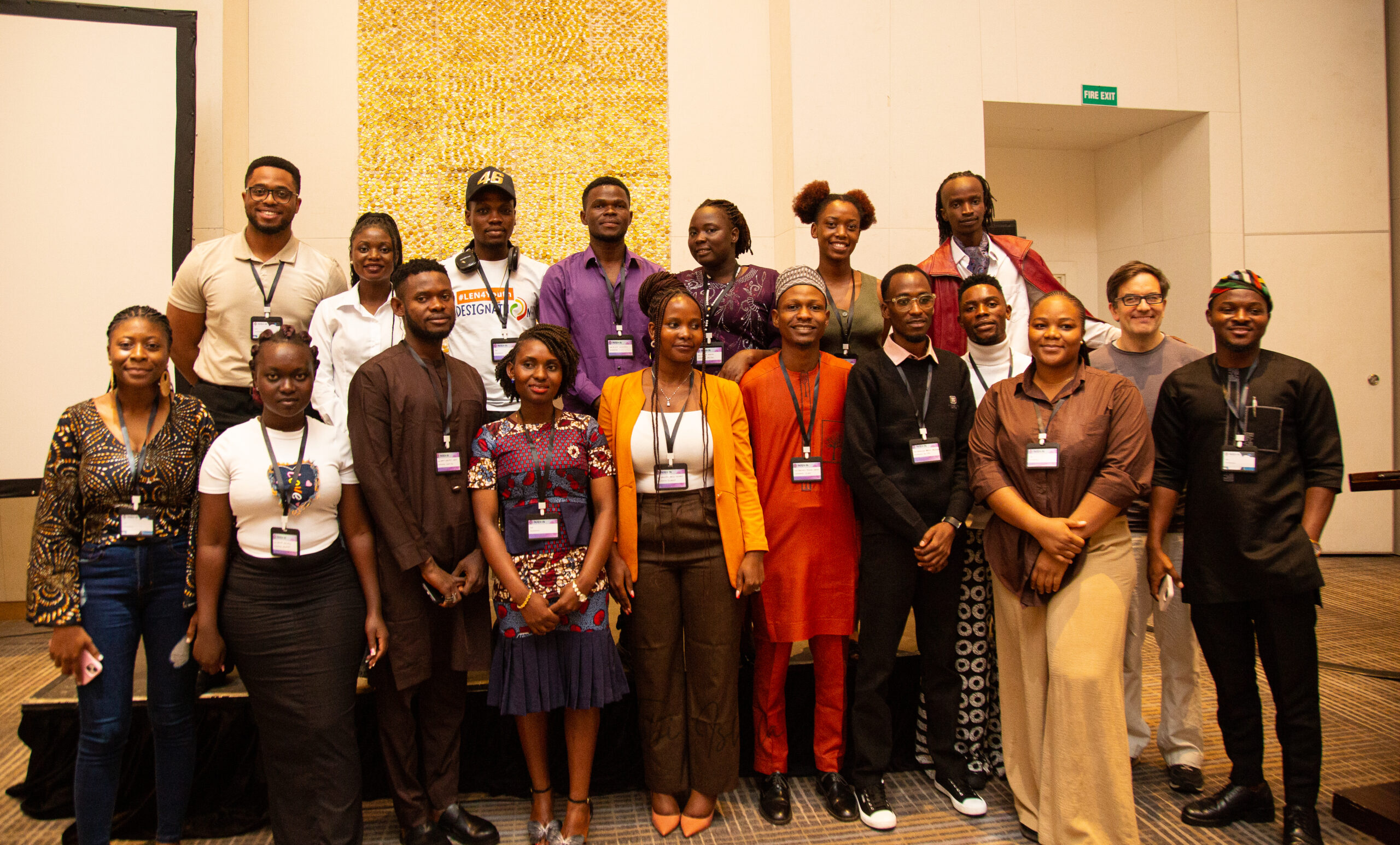
Back row from the left; Dr. Kelechi Chima, Stella Chinyonga, Hezekaiah Samuel, Asima Kapalepale, Claire Pimer, Anele Zulu, Nathan Nganga. Front row from the left; Beene Chitempa, Raine Renatus, Chinedu Ude, Jackie Msusa, Hannah Nkhoma, Godswill Nwoha, Neale Nomujuni, Phillip Chinseu, Aishat Koledowo, Prof. Joseph Tucker, and Abdulahammed Babatunde