From Surviving to Thriving: The BeYOUtiful Mindz Movement

From Surviving to Thriving: The BeYOUtiful Mindz Movement

Written by the BeYOUtiful Mindz Team | South Africa

More Than Just a Project

For far too long, mental health conversations, especially among adolescents and young people, have been whispered in corners, shaped by stigma, or ignored altogether. But what if we shifted the narrative? What if survival was no longer the goal, but thriving became the standard?

This is the heartbeat of BeYOUtiful Mindz.

BeYOUtiful Mindz is not just another mental health initiative. It is a movement rooted in empathy, lived experiences, and the urgent need to create safe, accessible spaces for young people, particularly those navigating the complex realities of living with HIV. At its core, we recognize that young people are not just patients or statistics. They are individuals with dreams, fears, identities, and voices that deserve to be heard.


What We Set Out to Do

Our goal has been simple but ambitious. We aimed to integrate mental health support into existing adolescent HIV services in ways that are practical, accessible, and sustainable.

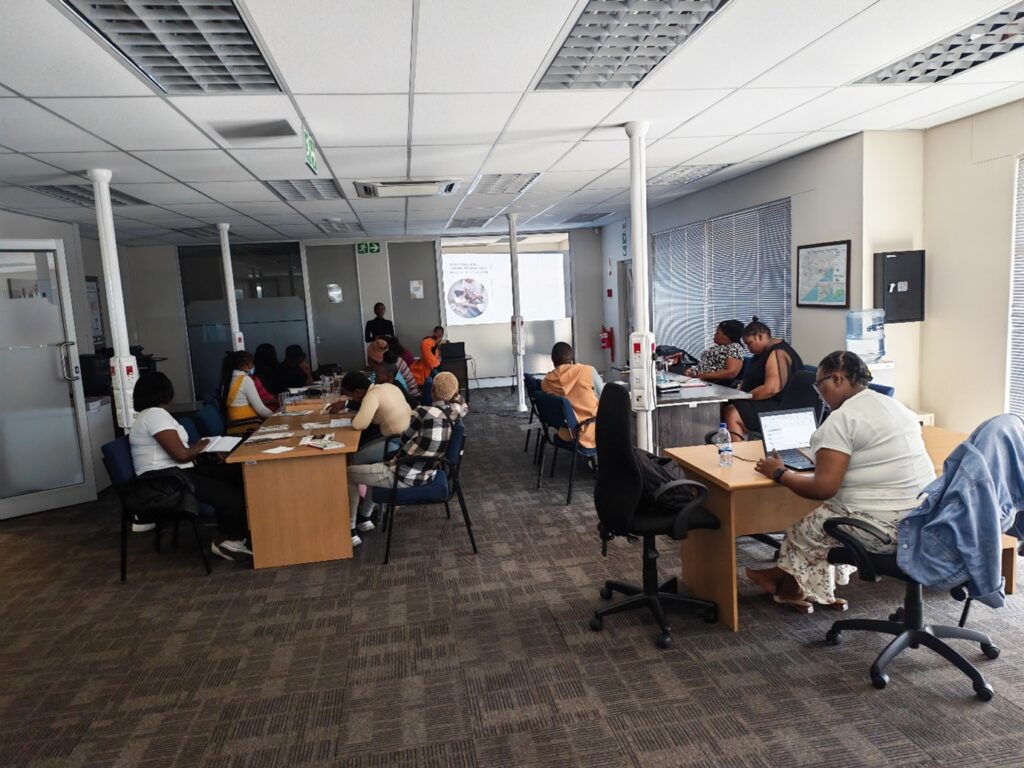
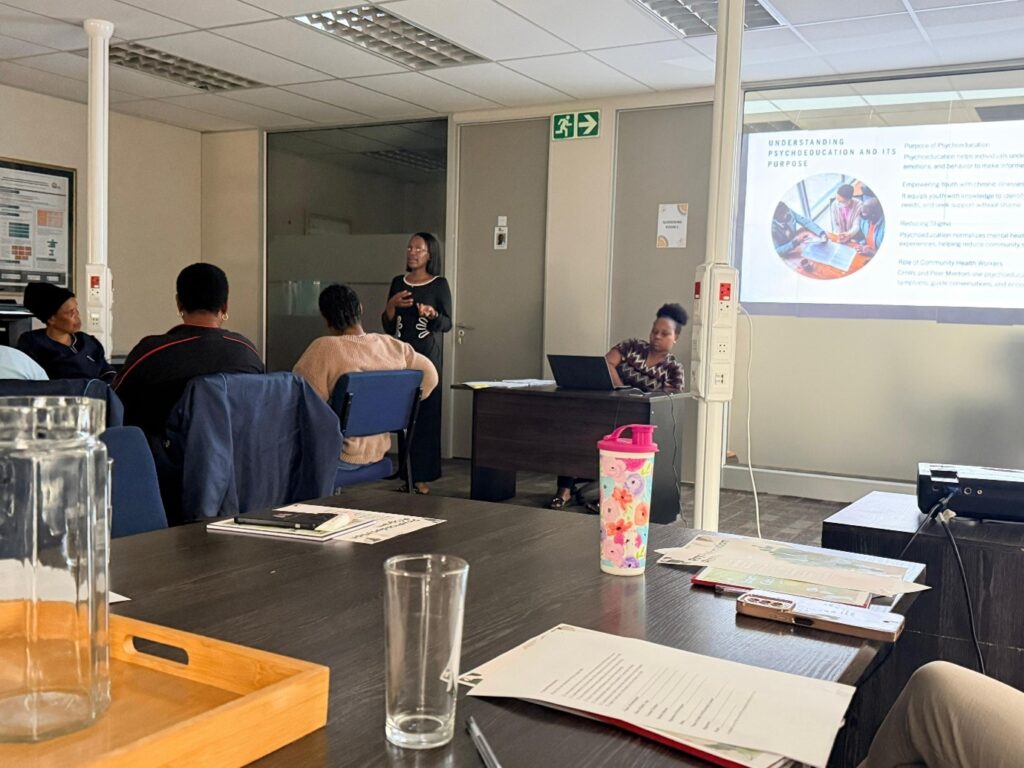
We trained lay counsellors, peer mentors and community health workers to deliver basic mental health support through psychoeducation and structured counselling approaches. By embedding this support within clinics, communities, and youth spaces, we hoped to bring care closer to where young people already are.

This approach allows mental health care to feel more relatable and less intimidating, while also strengthening the existing support systems around young people.


What We Have Learned So Far

As the Designathon continues towards June, our journey has been shaped as much by challenges as by progress.

One of our earliest lessons was that context matters more than planning. During our first training sessions, we encountered a language barrier. While the training was expected to be delivered in English, many participants were more comfortable engaging in their home languages. This affected participation and understanding, reminding us that accessibility is not only about location, but also about language.

We also faced logistical challenges. Transport had been arranged through the Department of Health, but on the first day it was not available. We had to follow up with participants individually to ensure they could attend. Although many still arrived, this experience highlighted how quickly plans can shift in low-resource settings and how important flexibility is.

Another key challenge was perception. Many participants initially associated mental health only with severe and visible conditions. When we introduced psychoeducation, engagement was slow and uncertain. It became clear that before introducing tools and interventions, we needed to create a shared understanding of what mental health actually is.

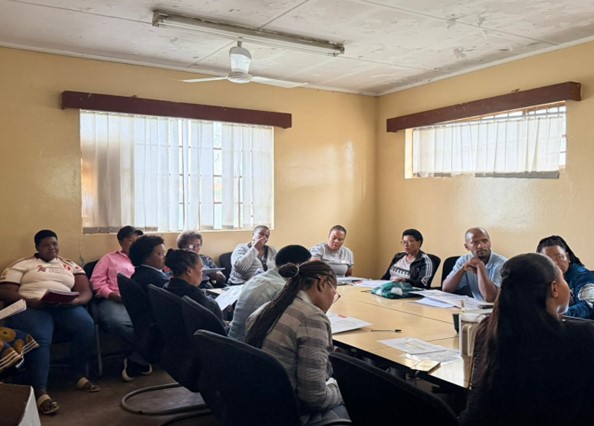
These early experiences pushed us to adapt in real time. We moved our training venue from our office in Vincent to a decommissioned clinic in Mdantsane, closer to the community health workers and lay counsellors. The space was simple, but it was functional, with running water, electricity, desks, and chairs. More importantly, it was accessible.

This shift made a noticeable difference. Reducing the distance between participants and the training space improved attendance and engagement. It reinforced an important lesson. Proximity and convenience are not minor details. They are central to participation.

As the days progressed, we began to see change. Participants became more engaged, more open, and more willing to take part in discussions. Conversations that once felt hesitant started to flow more naturally. There was growing curiosity and a sense of ownership over the learning process.

This shift did not happen overnight. It required patience, adaptation, and continuous support. It also showed us that resistance is not rejection. Sometimes it is simply unfamiliarity.


Why This Work Matters

Through this process, we have been reminded why integrating mental health into HIV care is so important. Survival often looks like attending clinic visits, adhering to treatment, and managing daily challenges quietly. But thriving goes beyond that.

Thriving means feeling seen, understood, and supported. It means having the language to express emotions, the confidence to seek help, and the ability to build meaningful connections.

By working through peer mentors, lay counsellors and community health workers, we are helping to create spaces where young people can share their experiences without fear of judgment. These spaces are not just about support. They are about connection, identity, and belonging.

Looking Ahead

As we approach the final months of the Designathon, we carry forward the lessons we have learned so far. We have learned that flexibility is essential, that community voices must guide implementation, and that meaningful change takes time.

We are continuing to refine our approach, strengthen engagement, and build confidence among those delivering the intervention. Each challenge has helped us better understand what it takes to make mental health support work in real-world settings.

BeYOUtiful Mindz is not only about addressing mental health challenges. It is about changing how young people experience care. It is about creating a shift from surviving to thriving, one conversation, one session, and one connection at a time.


Because thriving is not a privilege. It is a right.


Meet the 2026 Designathon Teams

Meet the 2026 Designathon Teams

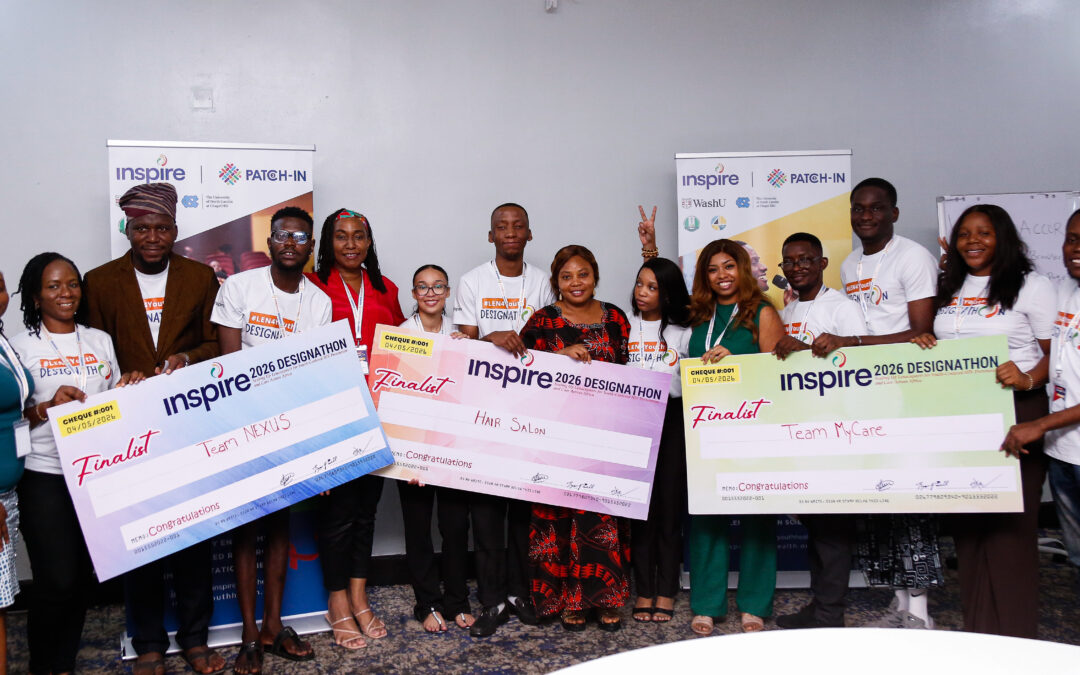
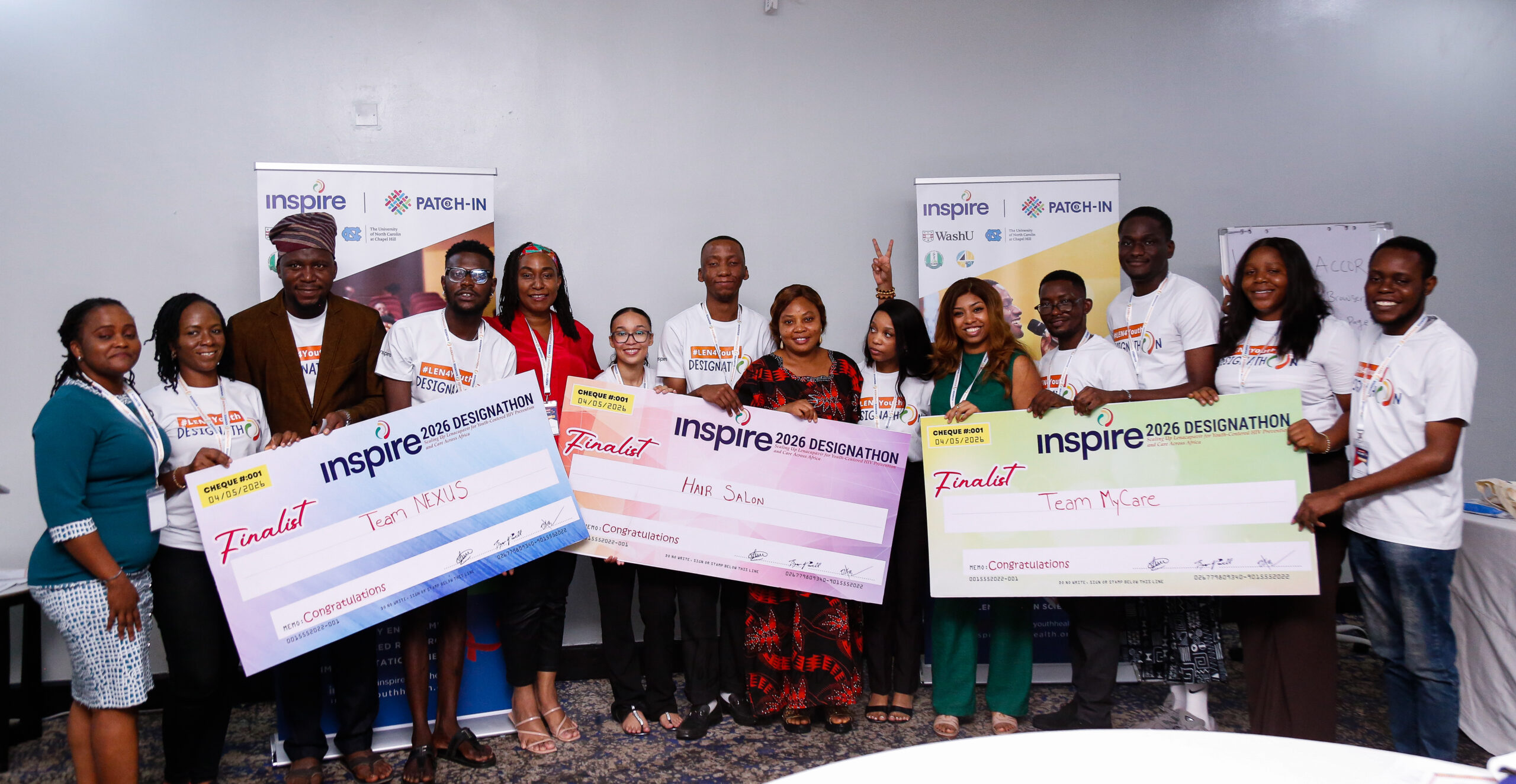
This May, eight teams will travel to Lagos, Nigeria for INSPIRE’s three-day Designathon Sprint to hone and pitch their ideas on scaling up lenacapavir (LEN) for youth-centered HIV prevention and care across Africa. These teams represent four African countries and six PATC³H-IN clinical research centers. They were selected by a review team of experts from nearly 40 submissions to our open call for proposals. Their proposals were judged on:

  • Proposal clarity and logic
  • Significance- relevance, impact, projected outcomes
  • Innovation
  • Feasibility and rigor
  • Team capacity, professional goals, and composition

Teams will spend two days learning from experts in the field and refining their ideas. On the third and final day of the sprint, teams will pitch their ideas to a panel of  judges for the opportunity to be one of three teams awarded up to US$10,000 to implement their project ideas over the course of a year. 

Read on to learn about these teams and their exciting project ideas.

Meet the Teams

BioSecure

Nigeria | RISE

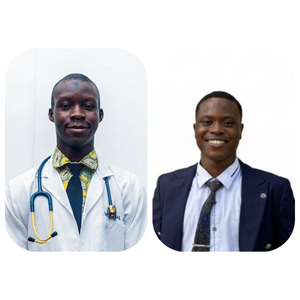
Hassan Oladipupo Ismail  |   Ighorodge Victory Christopher

As medical students and youth leaders, BioSecure recognizes that biological efficacy means little without last-mile delivery. Their project — BioSecure: Pulse — aims to decouple PrEP delivery from congested, stigmatized healthcare facilities by shifting delivery directly to the community level. This project leverages an offline-first, multi-sectoral digital logistics platform to transform community pharmacies into discreet, last-mile delivery nodes for youth. To maximize youth integration, users access the service branded as “Sexual Wellness & Lifestyle Protection” rather than a clinical HIV program. They book discreet time slots to minimize wait times and visibility, while a gamified “Pulse Points” system incentivizes their crucial six-month return visits with immediate rewards like data bundles.


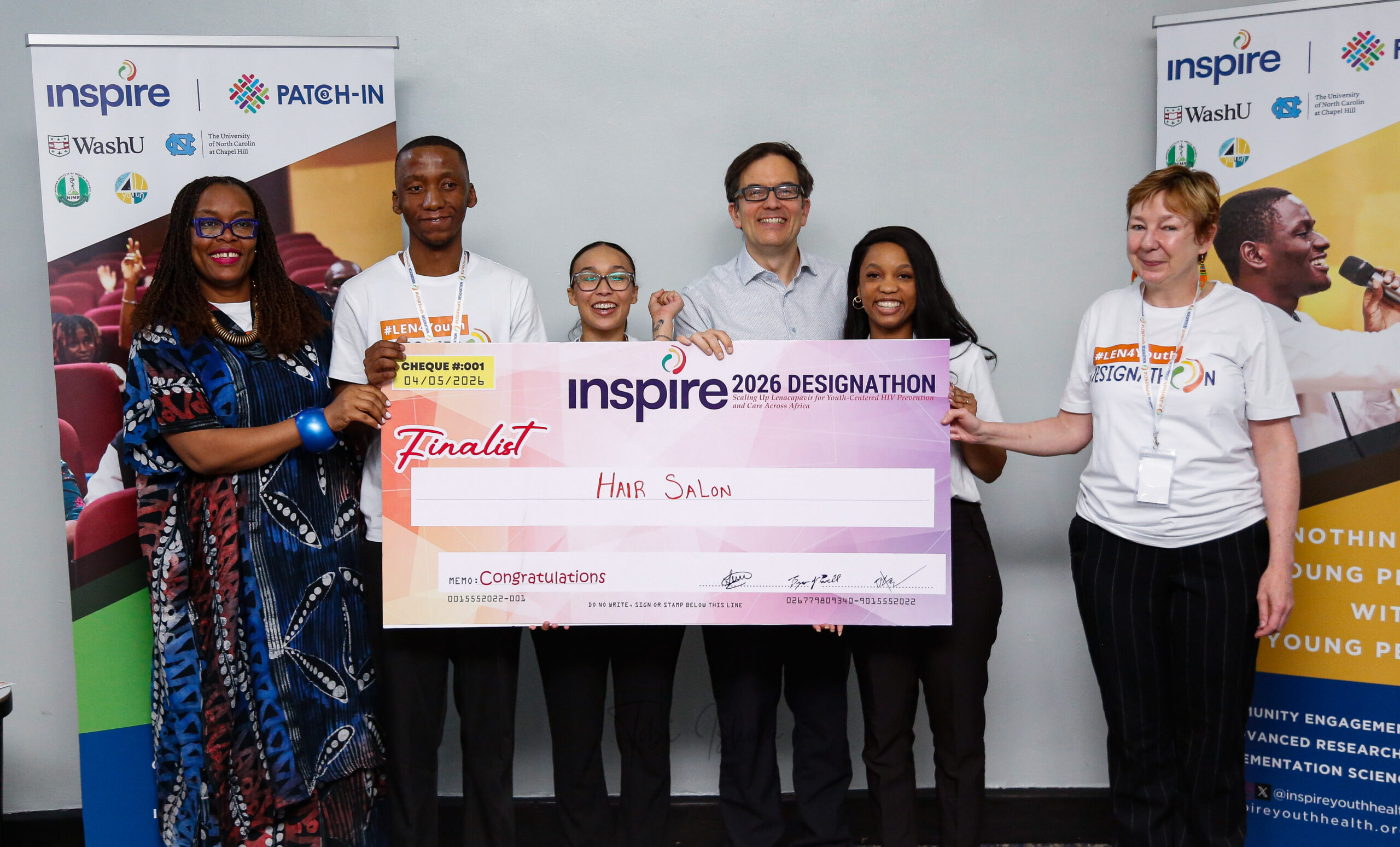
Hair salon

South Africa | ATTUNE

Kananelo Lehlohonolo Moshabesha | Mamaswatsi Pearl Kopeka | Charné Petinger | Yolanda Mayman

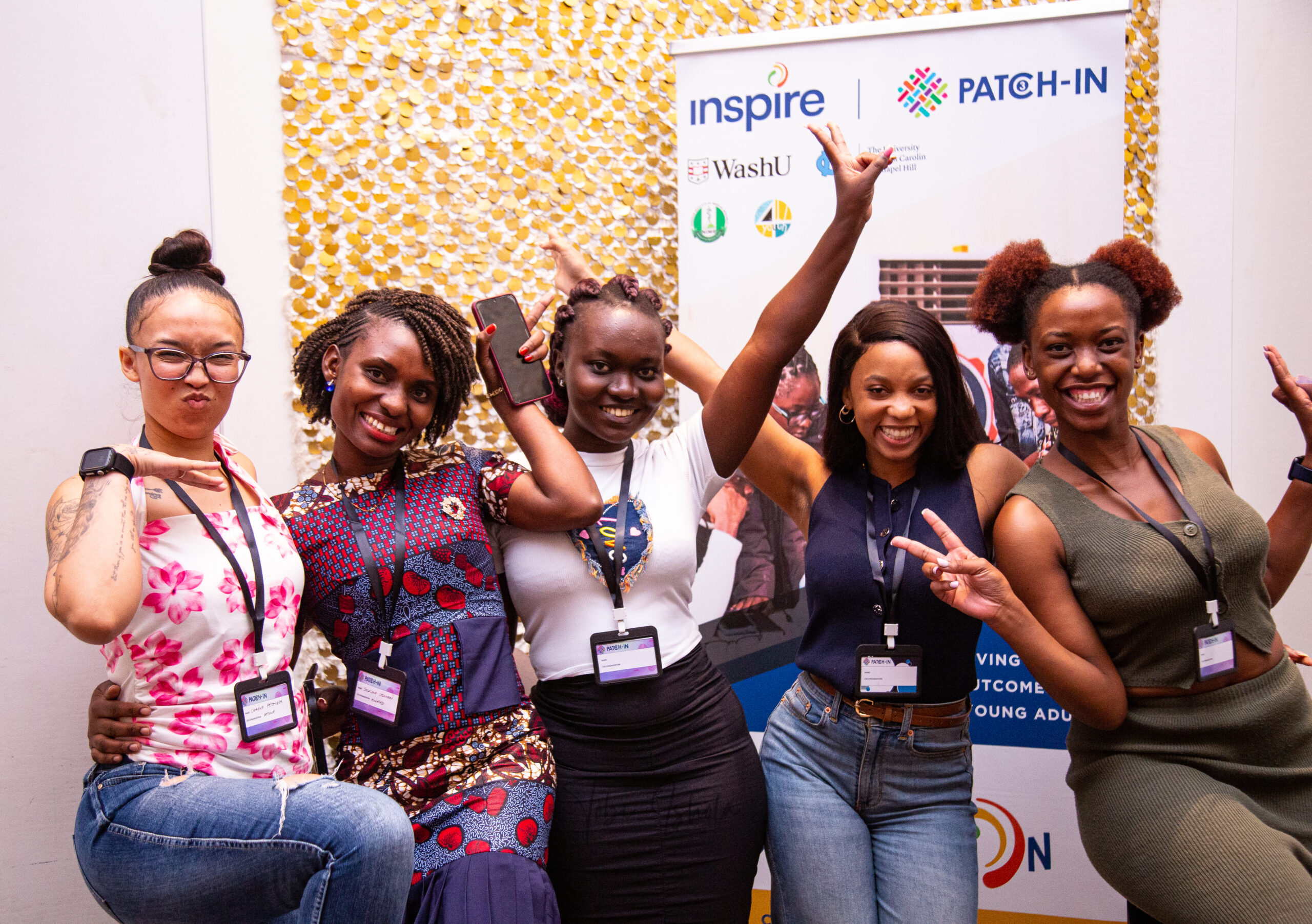
Adolescent girls and young women (AGYW) in South Africa are at a disproportionately higher risk of acquiring HIV than their male counterparts. This inequity is caused by a myriad of structural and cultural factors that impact the burden on AGYW. Despite the elevated risk, AGYW are hesitant to use PrEP. There is a need for trusted community-based, stigma-free spaces that provide accurate information about PrEP and link young people to LEN. Team Hair Salon seeks to use the salon space for providing access to information about LEN without the stigma associated with healthcare facilities, and with the help of trained trusted stylists.


PeerLEN Tanzania

Tanzania | MWOTAJI

Winfrida Onesmo Akyoo | Raphael Ruseke | Frank Immanuel Mhando | Haji Rajabu Mushi

PeerLEN Tanzania aims to co-design and implement a peer-led LEN delivery model tailored for adolescent girls and young women (AGYW) ages 18–30 who work in hospitality and entertainment venues in Dar es Salaam. This population faces barriers — including stigma, mobility, economic dependence, pill burden, and daily dosing fatigue — which have historically undermined adherence to daily oral PrEP. Guided by the Exploration, Preparation, Implementation, Sustainment framework and grounded in Social Cognitive Theory and the Andersen Behavioral Model, PeerLEN’s intervention integrates peer modeling, community engagement, and facility-based clinical delivery. By embedding LEN delivery within trusted youth social networks rather than parallel health systems, PeerLEN Tanzania will produce a scalable, sustainable model adaptable across African urban settings.


SafeSix

Uganda | MUJHU

Wandera Uthmaan Muluga | Namatovu Angella | MUSOKI DRAKE | MWEMEKE OSCAR

SafeSix works at the intersection of frontline HIV service delivery and research. Their low-cost, peer-anchored intervention is designed to support young adults in African settings to maintain their six-month LEN injection schedule for HIV prevention. The project uses a peer-anchored continuity package, including reminders from a trained peer and a neutral appointment card to protect privacy and reduce stigma. This model is designed to integrate seamlessly into existing youth-friendly clinics and community services. SafeSix addresses the core implementation challenge of long-acting HIV prevention — ensuring young people consistently return for injections and remain protected over time. The team’s long-term goal is to develop and test delivery innovations that can be integrated into sustainable prevention programs.


Team Catalyst

Nigeria | iCARE PLUS

Adeniyi Olayinka Abidemi  |  AMAO ADEBAYO OLAWUWO | Olayemi Tosin Akinpelu | Isaac-Ironondu Mmeli Victory

Team Catalyst’s proposed project — LENApp — aims to prototype a digitally enabled, peer-powered ecosystem that transforms how adolescents and young adults engage with PrEP—shifting from clinic-centered delivery to youth-centered access. The team plans to work with existing HIV and PrEP programs across the six geopolitical zones of Nigeria to identify and reach out to young people who are eligible for LEN via peer navigators. Those who start LEN will gain access to the mobile platform, which will send them appointment reminders, provide health information, and allow users to report side effects or ask questions confidentially.  Lastly, the team will bring LEN closer to young people by offering it in adolescent-friendly clinics, community outreaches, and safe spaces.


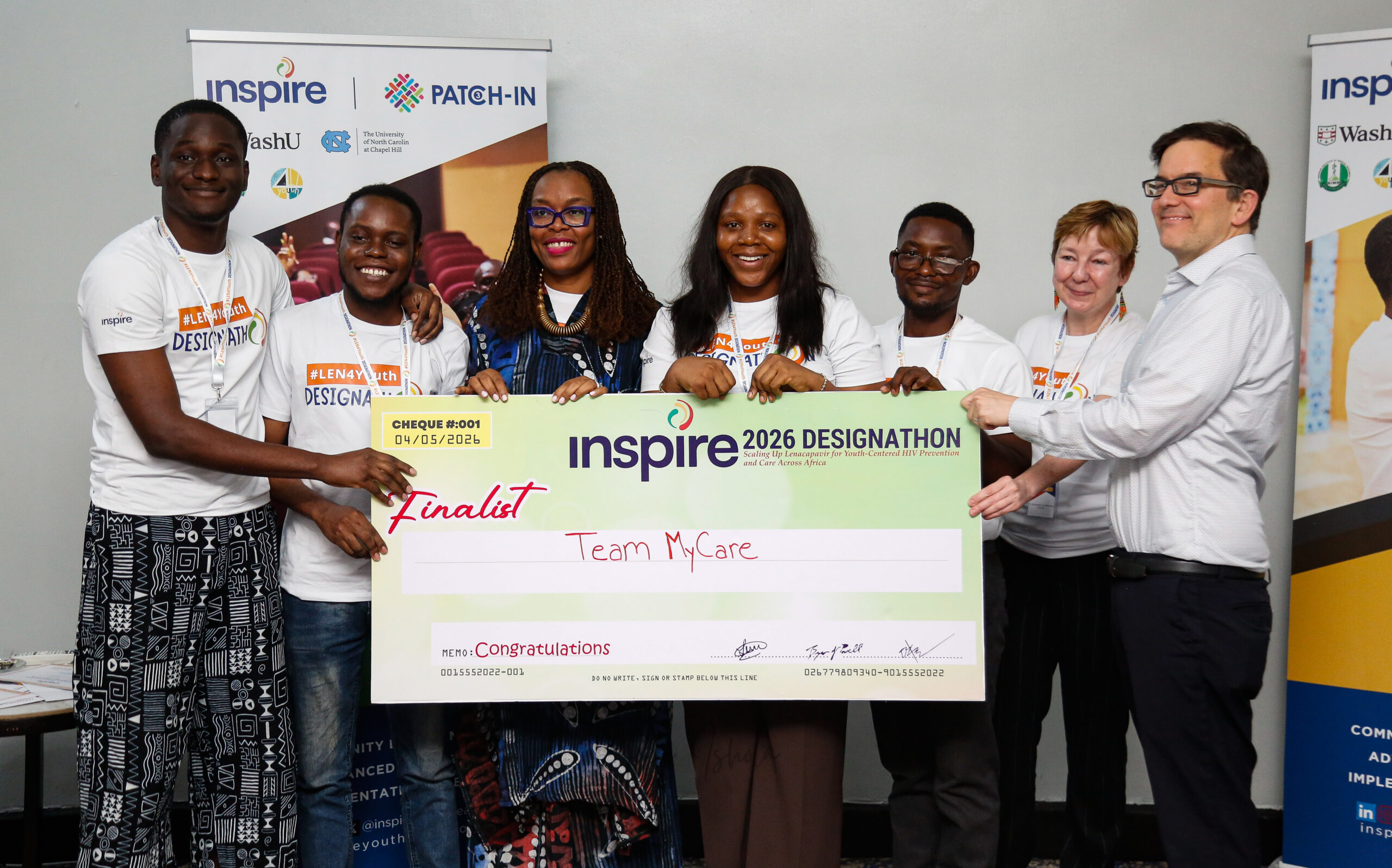
Team MyCare

Nigeria | S-ITEST

Johnson Davidson Chukwuemeka | Olaoluwaposi Ogunlana | Halimat Olaniyan | Victor Oluwafemi Femi-Lawal

Team MyCare’s experience working with adolescents and young adults has taught them the importance of involving young people in designing delivery models. Their project will test a youth-led communication and peer navigation approach embedded within university campuses and linked to pharmacies and youth-friendly centres. By adapting the peer navigator model and expanding access points beyond traditional key population networks, their approach strengthens awareness, improves confidential linkage, and situates LEN within broader HIV prevention services. Because similar structural barriers exist across many African countries, this model offers a practical pathway for integrating LEN into youth-centered HIV care across the region.


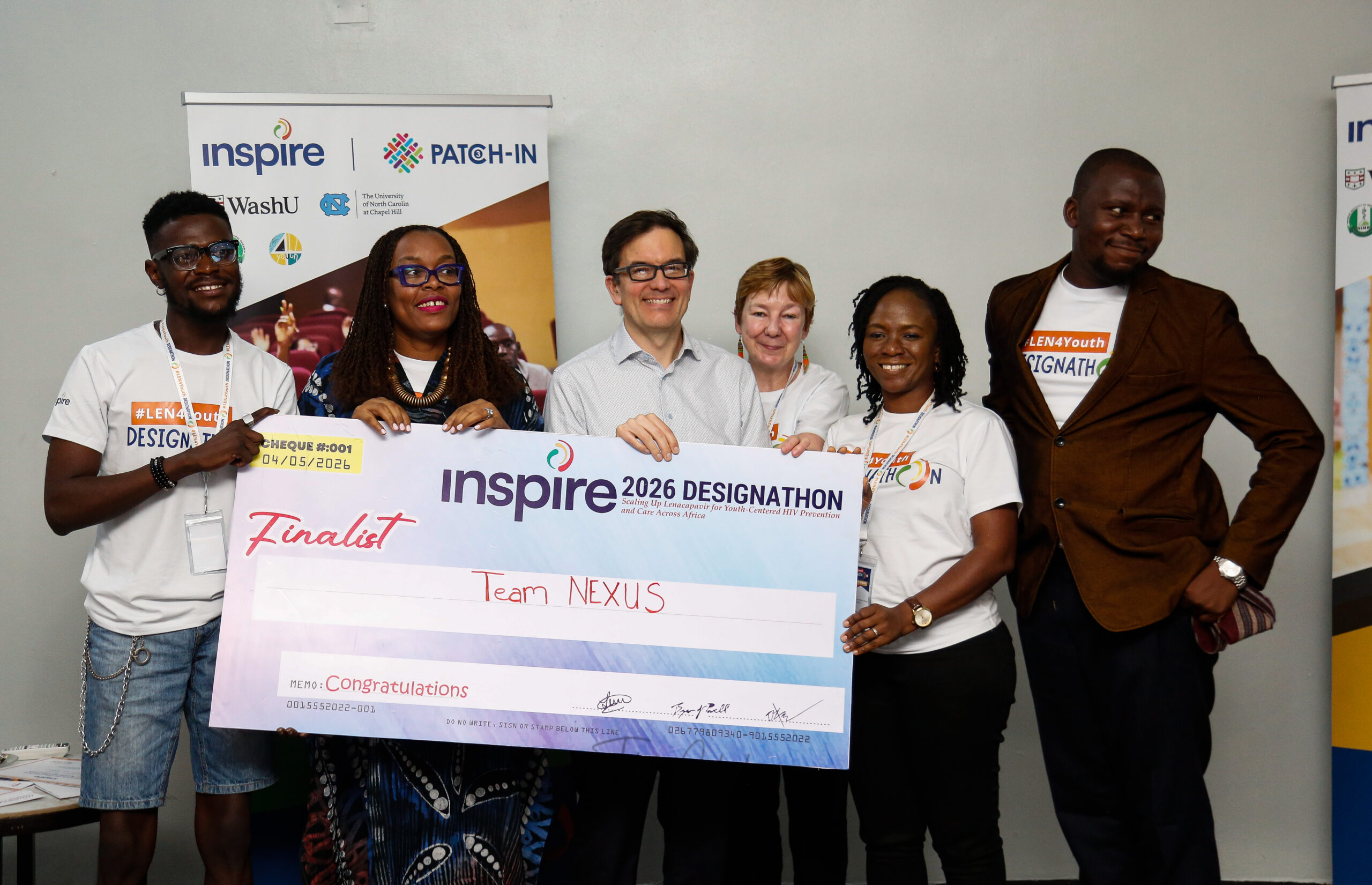
Team NEXUS

Nigeria | ICARE PLUS

Oluwafemi Adeshina | SULAIMON AFEEZ OLATUNJI | Hannah Olumayomikun Smart  | Offor Gab-cliton Nwakobi

Team Nexus’ project — SafePass Lagos — aims to pilot a gamified youth-centered LEN delivery model that can be replicated across Africa. Using an anonymous mobile app, Team Nexus will enroll at-risk youth via peer networks and conduct telehealth HIV screenings. Eligible participants receive an initial LEN dose at the clinic and a weekly reminder system with incentives to enable them to return for the second dose in six months. Each weekly check-in earns points redeemable for essentials (data bundles, transport vouchers, etc.), leveraging evidence that even small financial rewards greatly boost adherence. Using data collected through SafePass, Team Nexus aims to generate an open-source toolkit showing how to integrate LEN into existing youth programs.


Team REACH

Nigeria | S-ITEST

Olowu James Ochoyoda | EDIONWE MIRACLE OSASENAGA | Ruth Yetunde Daniel | Idoko Philip

Team REACH is committed to bridging the gap between biomedical innovation and implementation for adolescents and young adults in Nigeria. Evidence from prior HIV prevention rollouts shows that biomedical innovations frequently reach adolescents and marginalized youth last when delivery systems remain clinic centered. Team REACH seeks to address this challenge through their Youth-Integrated Lenacapavir Delivery Model (Y-LAP). Y-LAP utilizes peer ambassador-led awareness; risk screening on digital engagement platforms, pop-up and mobile clinics operating as extensions of licensed facilities in trusted youth spaces; and trained navigators to support return visits. This integrated model reduces structural barriers to access while maintaining clinical quality and regulatory compliance.


Tugambe, Talk to Us

Tugambe, Talk to Us

Written by: Patricia M. Nabifo, Ochen Eric, Kintu Timothy Mwanje, Raymond Bernard Kihumuro | Team Tugambe 

Tugambe is a word in Luganda that means “talk to us.” The phrase captures a reality we kept missing in HIV clinics. Imagine this: a teenage girl sits across from a healthcare provider who is rushing to keep up with a long queue of patients. Her viral load is reviewed and her medication is dispensed, but no one asks how she feels. Antiretroviral therapy keeps her body healthy, yet the health of her mind often remains unseen.

Here’s something most people don’t know: Up to one in three young people living with HIV in sub-Saharan Africa experience depression. As young adults with a medical background in HIV care, our team recognizes that depression is a significant concern. Because depression is quiet, it is easy to miss. Crowded waiting rooms, ten-minute consultations, and overwhelmed providers create a system where mental health gets pushed aside. We had to do something.

The turning point came when we were accepted into the INSPIRE Designathon. Suddenly, there was space to think differently. We asked the simple questions: What if mental health screening did not have to compete with busy clinics and limited time? What if young people could engage on their own terms, privately and without pressure? 

These questions led us to Interactive Voice Response (IVR). IVR is not glamorous. It does not require smartphones or internet access. It is the same technology behind appointment reminders and automated phone menus. We believed its simplicity is its strength. A young person can call from any phone, listen to prompts in their own language, and respond using their keypad. No forms. No waiting rooms. No eyes watching.

Hand texting on phone.

Still, we did not know whether this approach would feel acceptable, which language would feel safe, or whether an automated system could be trusted with something as personal as emotional wellbeing. So instead of quickly building, we chose to slow down. We focused on formative work. The goal became listening before designing and learning before scaling.

As the idea took shape, we told our story; this time in a competitive pitching space. We shared not only the idea, but also the uncertainty behind it. We spoke honestly about our concern for young people living with HIV and our belief that IVR could help surface depression earlier. Emerging among the winners mattered. It gave us confidence and direction. It also helped us see this work beyond a single pilot. Our vision now stretches over the next several years, with the goal of making depression management a routine and integrated part of HIV care.

Progress, however, has not been straightforward. Like much research in Africa, one of the biggest challenges has been navigating ethics and regulatory approvals. As early career researchers, we have learned how slow, political, and demanding these processes can be. Inefficiencies within regulatory systems can delay promising work and strain limited resources. Learning how to maneuver these structures without losing momentum has required patience and resilience.

Beyond approvals, this journey has taught us how to pitch ideas clearly, how to develop community engagement plans that go beyond checklists, and how to listen during monthly engagements rather than defend assumptions. We have built new relationships, expanded our networks, and learned to recognize opportunity when it appears. So far, the work has been less about technology and more about people, trust, and learning to sit with uncertainty.

We now look ahead to securing institutional ethics approval and national regulatory clearance so the research can begin. That step matters, but it is not the point of this work. The point is whether young people living with HIV finally have a safe way to say how they are really doing.

This journey has taught us one clear lesson. Mental health in HIV care will not improve by adding more tasks to already overstretched clinics. It will improve when systems are designed to listen. If Tugambe succeeds in doing just that, in creating space for young people to speak without fear, interruption, or judgment, then it will have done something far more important than deploying a tool. It will have broken the silence.

The Fragility of Peer Power: What an IDP Camp Taught Us About Youth-Led HIV Outreach

The Fragility of Peer Power: What an IDP Camp Taught Us About Youth-Led HIV Outreach

Written by: Julianah Adebisi and Miracle Adesina | IMPACT Team, Nigeria.

We didn’t notice it at first, but something had changed.

Just weeks earlier, Zainab had become a major driving force behind HIV outreach in the camp. Young people were showing up to discussions. Her peers listened, showed up, and stayed engaged.

“Zainab” engaging her peers during an HIV outreach session in the camp. Peer trust is often the foundation of youth health programs.


There was energy, the kind you hope for when working with peer-led models.

Then, a personal conflict disrupted those relationships, and with it, the flow of new participants into the program.

Our most successful outreach channel had slowed to a halt.

That moment made us rethink what we thought we understood about peer-led models, especially in displacement settings.


Why we chose a peer-led approach

Young people often learn about sex, relationships, and risk from their peers long before they encounter formal health services. Peer-led outreach taps into these existing social networks. The logic is simple, versatile, and compelling: young people trust their peers, understand each other’s realities, and communicate information in ways that feel relatable.

For the Innovative Mobilization and Participatory Action for Community Transformation (IMPACT) project, this approach felt especially appropriate as we worked with young people living in Internally Displaced Persons (IDP) camps in Nigeria.

We trained a small group of youth champions and encouraged them to reach out to peers in their own social circles: friends, neighbours, and classmates at camp. It was a snowball approach. Each young person could bring others.

It seemed to work; we were gaining momentum.


Where we hit a wall

One champion stood out. Zainab was motivated, well-respected, and committed to the project. Through her efforts, we saw a noticeable increase in participation. Her peers listened to her. They showed up. Momentum began to build.

Without realizing it, we began to rely heavily on her network.

So, when conflict emerged from within her circle, the impact rippled outward. She stepped back from active recruitment. The peers she had mobilized became less engaged. New participants stopped coming.

At first, it felt like a setback. We had invested in training. We had seen progress, and now the progress was slowing.

However, with reflection, we realized that this wasn’t a failure of Zainab or her peers.

It was a gap in our project design.


What this taught us about peer networks

Peer-led models often assume that social networks are stable. In some communities, that may be true. However, in IDP camps, relationships live under constant strain.

Young people are navigating economic stress, family trauma, uncertainty about the future and competition for limited resources. These pressures do not stay outside the room when we hold HIV sessions; they affect how young people relate to each other.

In that environment, small disagreements can grow quickly.

Emotional strain is high, and when leadership is concentrated in one person, a single strained relationship can stall momentum.

What slowed our outreach was not resistance to HIV education. It was the fragility of relationships in a high-stress setting.

An illustration of shared leadership in youth outreach. Programs are strongest when responsibility is distributed.


An illustration of shared leadership in youth outreach. Programs are strongest when responsibility is distributed.

Rethinking how we support youth champions

The situation compelled us to reassess our support for young people who assume leadership roles in health programs.

Being a youth champion is more than delivering information; it means managing friendships, expectations, and sometimes tension, all while mobilizing others.

From this experience, we learned that peer-led models work better when leadership is distributed, rather than concentrated. Recruiting champions in clusters makes the program less vulnerable to the ups and downs of a single relationship.

We also learned that conflict is not a disruption to community work but a part of it. Creating space for early conversations, mentorship, and mediation matters more than we initially realized.


Designing youth health programs for real-life complexity

In displacement settings, health education competes with urgent daily needs influenced by economic pressure, emotional stress, and unstable social relationships, all of which affect how young people engage with HIV prevention.

Peer-led approaches need to be designed with flexibility and empathy, recognizing that health is only one part of what young people are dealing with every day.

Our experience reminded us that effective youth health programming in humanitarian contexts requires careful design, including:

  • Avoiding over-reliance on one champion
  • Investing in supporting relationships, not just training
  • Linking HIV outreach with livelihood support, psychosocial services, and other programs that respond to young people’s everyday realities


Moving forward

The setback in our recruitment was not the end of the story.

It pushed us to distribute leadership more intentionally, to check in more frequently with our youth champions, and to treat relational dynamics as part of program design.

Peer power remains one of the strongest tools in youth HIV prevention.

However, these peer-led models are only as strong as the relationships that sustain them.

Youth champions and participants during outreach. Peer power continues, strengthened by shared responsibility.

When Data Isn’t Enough: Listening to Youth Living With HIV

When Data Isn’t Enough: Listening to Youth Living With HIV

Written by: Damilola Ayowole, Temitope Oluwadare, Soneye Islamiat & Azees Ayotunde | Team Abeokuta, Nigeria

We have spent years working with numbers, prevalence rates, treatment coverage, viral suppression targets. Data shapes how we understand HIV, how we design programs, and how we measure success. Yet, during the designathon that birthed HIV-In-Colors, we confronted a difficult truth: data alone does not tell the full story of adolescents and young people living with HIV.

That realization became both the greatest challenge and the most important lesson of this project.


The challenge: when evidence feels incomplete

As public health physicians, we are trained to trust evidence. Surveys, indicators, and clinical outcomes guide our decisions. But as we began designing HIV-In-Colors, we felt an uncomfortable gap between what the data said and what young people actually lived.

The numbers told us that adolescents were on treatment. They did not tell us how it felt to hide medication from friends, to fear disclosure at school, or to internalize stigma long after a clinic visit ended. The data showed retention rates; it did not show shame, silence, or resilience.

At the designathon, our initial instinct was to “strengthen psychosocial support” in familiar ways, add counseling sessions, integrate screening tools, train providers. These ideas were evidence-based, but they were also top-down. We were designing for young people, not with them.

That was our first major challenge: unlearning professional certainty.


Learning to listen differently

The designathon forced us to slow down and listen, not through questionnaires, but through stories. Conversations with fellow participants, mentors, and youth advocates pushed us to ask a different question: What if young people could show us their experiences instead of explaining them?

That question reshaped the project.

Photovoice emerged not simply as a research method, but as a listening tool we needed to learn. The idea that adolescents could use images to document stigma, hope, isolation, or healing shifted the balance of power. Instead of extracting information, we created space for expression.

This approach challenged us deeply. As researchers, we value structure, defined tools, measurable outcomes, clear endpoints. Photovoice resists rigidity. It is emotional, unpredictable, and deeply personal. It demanded trust: trust in participants, trust in the process, and trust that meaning could emerge without being forced.

The designathon lesson: Youth are not just beneficiaries

One of the most powerful lessons from the designathon was realizing that youth expertise is not symbolic, it is practical. When adolescents and young people living with HIV became central to the design conversation, the intervention evolved in ways we had not anticipated.

Healing circles, for example, were initially framed as group therapy sessions. Youth feedback transformed them into something broader: safe, recurring spaces for shared silence, laughter, anger, and belonging. The emphasis shifted from “intervention delivery” to community formation.

We learned that stigma is not only external. Many young people spoke about stigma they had absorbed into their self-identity. No survey captured that adequately. Their stories did.

Listening also revealed constraints we might otherwise have overlooked, fear of being photographed, concerns about confidentiality, emotional fatigue. These realities shaped our ethical safeguards and implementation strategies far more effectively than any protocol draft.


When impact is not immediately measurable

Another challenge was resisting the urge to define success too narrowly. In public health, we often prioritize quick wins and easily measurable outcomes. But psychosocial healing does not follow linear timelines.

Some lessons from HIV-In-Colors were subtle: a participant speaking for the first time in a group, someone choosing a metaphor instead of words, another deciding not to share an image publicly, and feeling empowered by that choice.

The designathon helped us recognize that process itself can be impact. Creating a safe space is not a precursor to intervention; it is the intervention.

This reframing was uncomfortable. It required us to accept outcomes that are harder to quantify but no less real.


What we will carry forward

Looking back, the most important lesson from HIV-In-Colors is this: programs fail when we confuse participation with inclusion. Inviting youth to attend sessions is not the same as inviting them to shape meaning.

Listening requires surrender of expertise, of timelines, of control. But it also creates interventions that breathe, adapt, and endure.

The designathon strengthened our belief that innovation in HIV care does not always mean new technology or complex systems. Sometimes, it means creating space for young people to be seen, heard, and trusted as narrators of their own lives.

As we move forward with this project and others, we carry a quieter confidence. We still value data deeply, but we now ask different questions of it. We look for the stories it misses and the voices it cannot capture.

Because when it comes to adolescents and young people living with HIV, listening is not optional, it is the work.

Meet the 2026 INSPIRE Course Cohort

Meet the 2026 INSPIRE Course Cohort

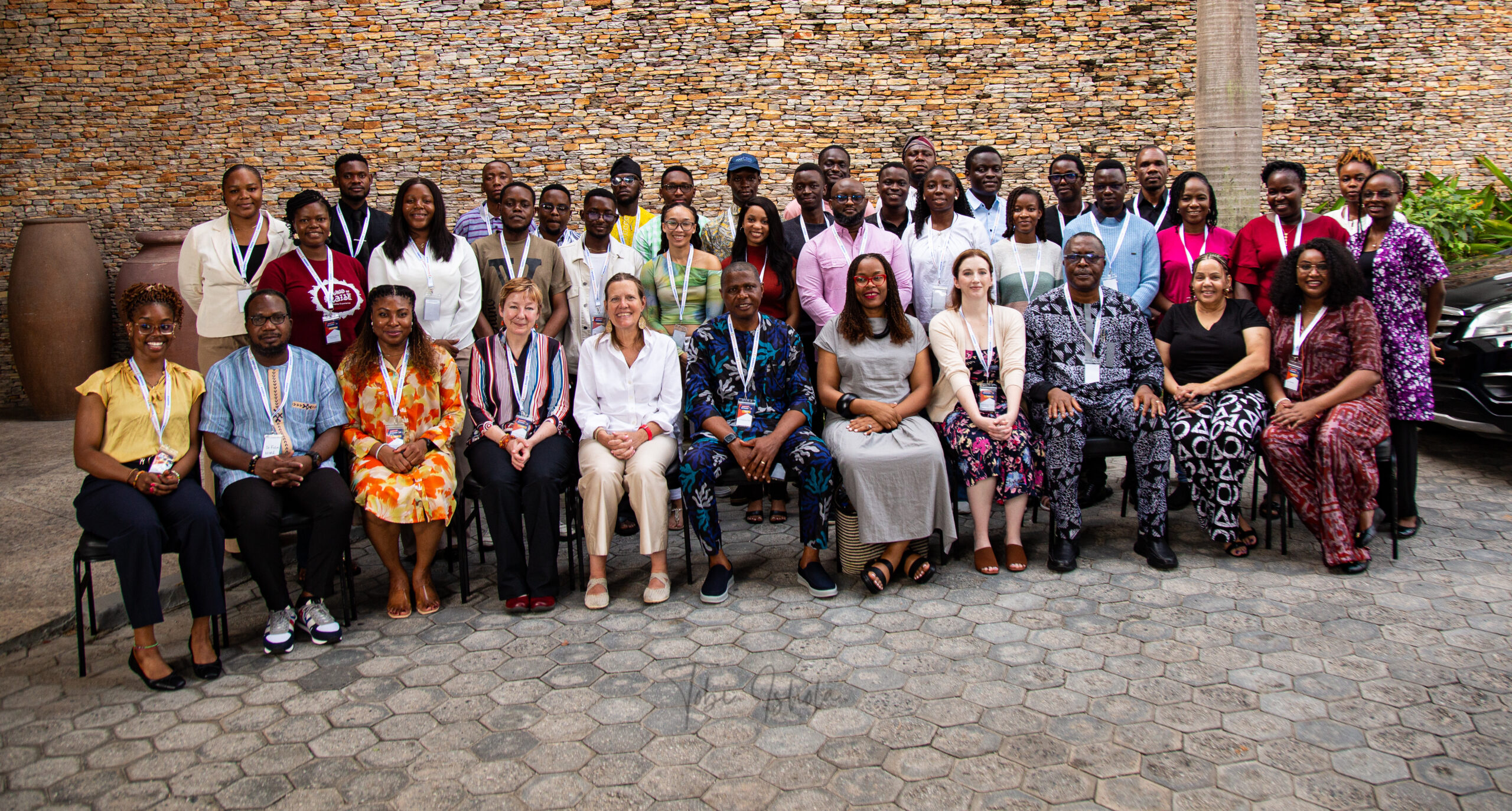
Congratulations to our 2026 Appreciative Inquiry-Based D&I Course cohort for completing our five-week course — Innovative D&I Approaches: Appreciative Inquiry and Discrete Choice Experiments! This year’s course focused on designing and applying Discrete Choice Experiments to sustain evidence-based HIV programs for adolescents and young adults in resource-constrained settings.  After an expert review process, eight participants were chosen from more than 75 applicants to represent each PATC³H-IN clinical research center.  Over five weeks, participants learned about the principles of appreciative inquiry and implemntation science and were trained on how to administer, apply, and analyze discrete choice experiments. 

Over the remainder of their year with INSPIRE, course participants will serve as liaisons for a shared discrete choice experiment at their respective PATC³H-IN clinical research centers. They will go through the ethical review process, collect and analyze data, and contribute to a manuscript on the experiment. 

We were more used to quantitative studies before now. Then we began to understand appreciate that mixed-method studies were better and richer than simple quantitative studies. It was a profound excitement for me to discover in this course something called “DCE” (Discrete Choice Experiments)… Taking this course will take you to another level in research.

-2026 Course participant

Meet the cohort

Sonnen Atinge | iCARE Plus

Sonnen Atinge is a Nigerian public health physician, epidemiologist, and researcher dedicated to improving health outcomes for people living with HIV through clinical care and research across prevention, treatment, and support services. He holds an MBBS from the University of Maiduguri, a Master of Public Health, and a Master of Science in Public Health–Epidemiology from the University of Lagos. He is also a Fellow of the National Postgraduate Medical College of Nigeria in Public Health and Community Medicine. In 2023, he completed, with distinction, the NIH-funded Emory-Nigeria HIV Research Training Program at Emory University, where he received advanced training in biostatistics, research ethics, and data management and analysis.

Sonnen Atinge is a lecturer in the Department of Public Health and Community Medicine at the Federal University Wukari, Taraba State. He also serves as a co-investigator on the iCARE Nigeria Plus effectiveness–implementation hybrid study, a scale-up program evaluating youth-focused HIV interventions among young men who have sex with men and young transgender women. In this role, he oversees outreach activities, HIV testing services, and local surveillance data collection.

Earlier in his career, Sonnen Atinge led a district hospital in a hard-to-reach border region and helped establish a comprehensive HIV/AIDS center with support from FHI 360, expanding access to care for previously underserved communities. He has also worked as an ART clinician at the tertiary level and has authored 26 peer-reviewed publications. He is committed to advancing HIV research and developing as an independent researcher and mentor to emerging scholars in Nigeria.

Doreen Kemigisha | MU-JHU

Doreen Kemigisha is a social worker and public health professional with over 15 years of experience in HIV prevention among adolescents, women at increased risk, and their partners in sub-Saharan Africa, particularly Uganda. She holds a Bachelor of Arts and a Master of Public Health with a focus on Health Promotion and has completed additional training at the University of Washington in epidemiology for global health, global mental health, project management in global health, and implementation science.

Her career reflects a strong commitment to community engagement and behavioral research. She has progressed from field recruitment and health visiting to senior leadership roles in community engagement and qualitative research coordination. As a Community Engagement Lead, she has supervised teams of community educators and implemented evidence-based strategies for multiple research protocols, including stakeholder and Community Advisory Board engagement, community mapping, mobilization, and tailored recruitment and retention approaches. Her work has strengthened partnerships between communities and research teams while promoting ethical participation in studies.

Grounded in social work and public health, her approach emphasizes empathy, cultural sensitivity, and community empowerment. She is dedicated to translating community voices into research and policy that advance equitable access to HIV prevention and improve health outcomes in Uganda and beyond.

Aishat Adedoyin Koledowo | S-ITEST

Aishat Adedoyin Koledowo is a public health professional and advocate for youth health empowerment with interests spanning infectious disease prevention, epidemiology, reproductive health, and behavior change. Her work focuses on improving health outcomes for diverse populations, particularly adolescents and young adults, through evidence-based and youth-centered approaches.

She holds a Bachelor of Science in Public Health from Lead City University and is currently pursuing a Master of Public Health. Koledowo serves as a Research Officer at the Lagos State Health Management Agency, where she supports the design and implementation of evidence-based interventions that strengthen health systems and improve service delivery across Lagos State. Her role includes contributing to research and data-informed strategies that enhance program effectiveness and population health outcomes.

In addition to her professional work, she is a Youth Ambassador with 4 Youth By Youth, where she leads HIV/AIDS awareness initiatives and promotes HIV self-testing and healthy behaviors among young people. Through targeted outreach and youth-focused advocacy, she has contributed to increased HIV testing uptake and greater awareness of preventive health practices among adolescents and youth.

Yolanda Mayman | ATTUNE

Yolanda Mayman is a final-year PhD candidate at the School of Public Health, University of the Western Cape, whose work focuses on adolescent health, HIV, and the systemic impacts of the COVID-19 pandemic in South Africa. With a background in research psychology, she brings an interdisciplinary lens to public health research. Her doctoral work examined how the COVID-19 pandemic and vaccine rollout influenced the mental well-being, treatment adherence, and healthcare engagement of adolescents living with HIV (ALHIV) in Cape Town. Using a multi-phase mixed-methods design, her research highlights the lived experiences, vulnerabilities, and resilience of ALHIV within complex health systems.

Yolanda Mayman has strong expertise in qualitative methodologies and has supported research capacity-building workshops and mentorship initiatives that strengthen qualitative inquiry and youth-focused HIV research. She has published five articles from her doctoral work, with another under review, and has co-authored additional papers on adolescent mental health, HIV care, and community-based participatory research. She has presented her work at major academic forums, including PHASA, CREATE, the NRF Emerging Researchers Symposium, and the SAMRC Early Scientist Convention.

Her planned postdoctoral research will explore the feasibility, acceptability, and user preferences of long-acting injectable antiretroviral therapy among adolescents in the Western Cape. Passionate about strengthening health systems for young people in Africa, Yolanda Mayman is committed to translating research into practice, mentoring emerging scholars, and advancing youth-centred, contextually grounded approaches to improving health outcomes.

Agatha Mnyippembe | MWOTAJI

Agatha Mnyippembe is a junior health researcher specializing in HIV prevention and youth sexual and reproductive health in Tanzania. She combines academic training in health monitoring and evaluation with hands-on experience in field-based project coordination to generate evidence that informs practice and policy.

Agatha Mnyippembe’s expertise includes mixed-methods research design, program monitoring, and qualitative and quantitative data management and analysis. She has experience designing and evaluating strategies to improve service uptake in resource-constrained settings, with a particular focus on youth-friendly services and HIV prevention options for young women. She also brings strong project management skills, including study operations management, supervision of field implementation, stakeholder engagement, and capacity building for local research teams.

She is currently involved in two initiatives aimed at improving healthcare access for young women. In the Malkia Klabu Program in Zanzibar, she supports a feasibility and acceptability study of a pharmacy-based model delivering girl-friendly HIV prevention and reproductive health services, coordinating data collection and contributing to analysis. She also coordinates the MWOTAJI Project (“Making Women’s Options for HIV Prevention in Tanzania Accessible”), which integrates implementation science capacity building with program delivery, research planning, scientific writing, and translation of findings into program recommendations.

Mwamba Mwenge | ZAIMARA

Mwamba Mwenge is a Zambian public health professional and early-career social and behavioral researcher with over a decade of experience implementing mental health randomized controlled trials, adolescent health studies, and evidence-based interventions in Zambia. As an implementation scientist, he has strong expertise in research design, data systems, program monitoring, and community-based mental health interventions. He holds a Master of Science in Public Health from the University of South Wales, an MBA in Management Strategy, a Bachelor of Arts in Public Administration from the University of Zambia, and a Diploma in Computing. His multidisciplinary training supports his ability to integrate public health research, program management, and digital data systems in low-resource settings.

His current work on the ZAIMARA study includes adapting adolescent health promotion materials, collaborating with adolescent community advisory boards, and designing participant monitoring frameworks, as well as building data management capacity among research staff. He previously served as a Data Manager for an NIH-funded R01 study, overseeing monitoring and evaluation tools, quality assurance, ethical compliance, and data systems. He also worked as Research Manager for the EQUIP Pilot Study, contributing to cultural adaptation of counselor competency tools and fidelity assessments.

Mwenge has progressed through roles ranging from data entry to implementation science, giving him broad insight into the research lifecycle. In 2022, he received an early-career grant from RSTMH and NIHR to study caregivers’ experiences during COVID-19. He has authored multiple peer-reviewed publications and is committed to strengthening mental health systems and advancing implementation science in Zambia and sub-Saharan Africa.

Gift Ndalumbira | RISE

 Gift Ndalumbira is a public health professional with over eight years of experience implementing HIV/AIDS prevention, care, and treatment programs across diverse settings. His work focuses on strengthening health systems through quality improvement initiatives and developing sustainable solutions to improve outcomes for key and vulnerable populations affected by HIV. With both clinical and public health experience, he brings a systems-level perspective to improving service delivery at individual and population levels.

He is an emerging researcher with experience in public health research coordination and currently serves in a formal Research Coordinator role focused on evidence-based HIV interventions for sexual and gender minority youth. His interests include applying innovative research approaches to address health disparities, generate high-quality data, and inform inclusive prevention and treatment strategies in resource-limited settings.

Ndalumbira holds a Master of Public Health with a concentration in Epidemiology, which has provided strong training in research methods, data analysis, and evidence-based decision-making. He also holds a Bachelor of Science in Public Health and a Diploma in Nursing and Midwifery. This multidisciplinary background enables him to work effectively across both preventive and clinical health services. He is committed to advancing equitable, data-driven HIV programming and continuing to build his research career to support inclusive, high-impact public health interventions.

Katherine Simon | VS4A

Katherine Simon is a pediatrician with 14 years of clinical and public health experience serving underserved communities in the United States and internationally. She has been based in Malawi since 2012 with the Baylor International Pediatric AIDS Initiative (now Texas Children’s Global Health Corps), where she works as a pediatric consultant. For 11 years, she served as Medical Director of Tingathe, a PEPFAR-funded program supporting the Malawi Ministry of Health in advancing progress toward UNAIDS HIV targets.

Simon currently serves as a Senior Technical Advisor overseeing HIV care and treatment for the CORE (Client Oriented Response to achieve HIV Epidemic Control) project, a five-year, $80 million PEPFAR-funded initiative supporting 96 health facilities across six districts in Malawi. In this role, she co-leads efforts to design and implement high-quality HIV and tuberculosis services.

While primarily focused on programmatic and technical leadership, Katherine Simon has built practical research experience through operational research and program evaluation. She has collaborated with research-trained colleagues to apply quality improvement approaches—design, implement, evaluate, and redesign—to strengthen services, contributing to interventions that improved care quality and resulted in peer-reviewed publications. Her work is driven by a commitment to improving the quality of life for children and families.