Finding the Perfect Match: How Speed Dating Sparked Cross-PATC3H-IN Collaborations
Written by Emily Hickner-Mantia, Operations Manager for INSPIRE
Speed dating for singles may have gone out of style with the rise of dating apps but INSPIRE still sees its value as a matchmaking process for research collaborations. As the implementation science coordinating center for PATC³H-IN, INSPIRE seeks to build synergy through cultivating and supporting collaboration across the network. To leverage shared knowledge and adapt evidence-based practices across new settings, we facilitated a “speed dating” activity for PATC³H-IN clinical research centers at the PATC³H-IN Annual Meeting in Lagos, Nigeria (held 5-7 May 2006).
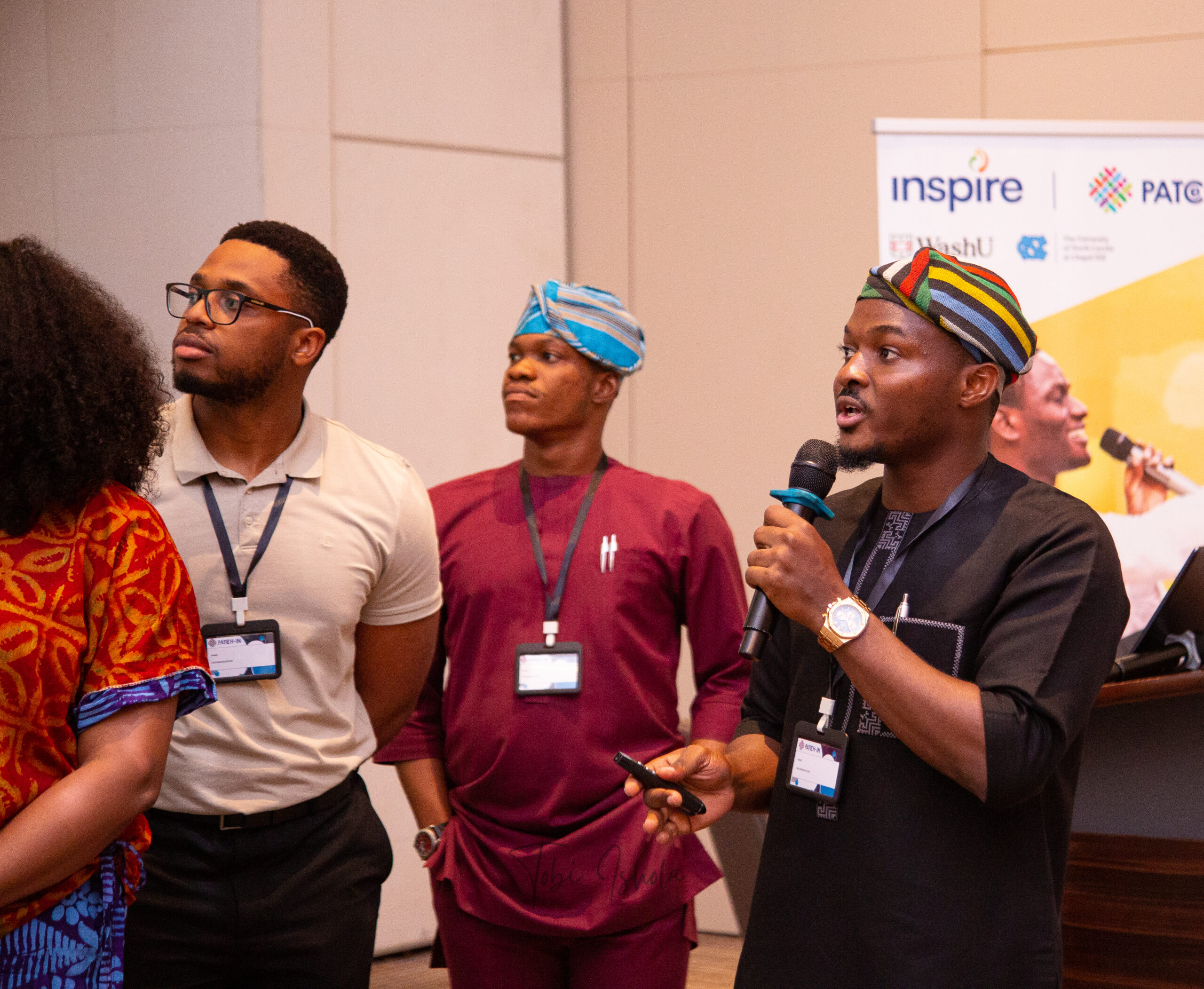
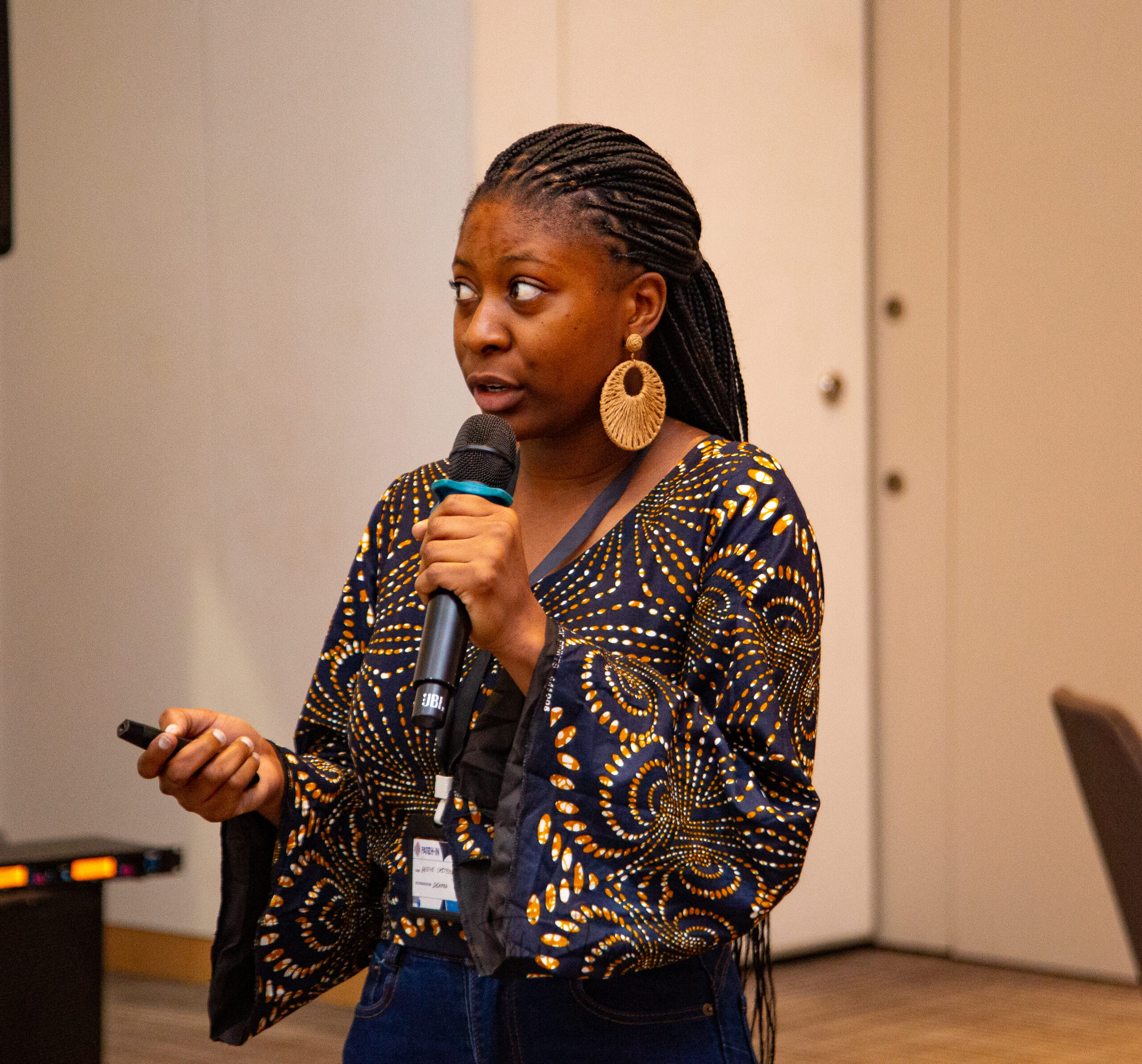
Members from the eight clinical research centers were paired for three 20-minute rounds of “speed dates.” Instead of discussing hobbies or life goals, these speed daters shared innovative ideas for research collaboration. The ultimate goal was for CRCs to team up — with both early career researchers and more senior researchers represented — to develop new pilot research ideas. The following day, teams pitched their ideas for collaboration in front of the meeting attendees and a panel of judges. Each team had three minutes to present fresh, creative solutions that foster collaboration.
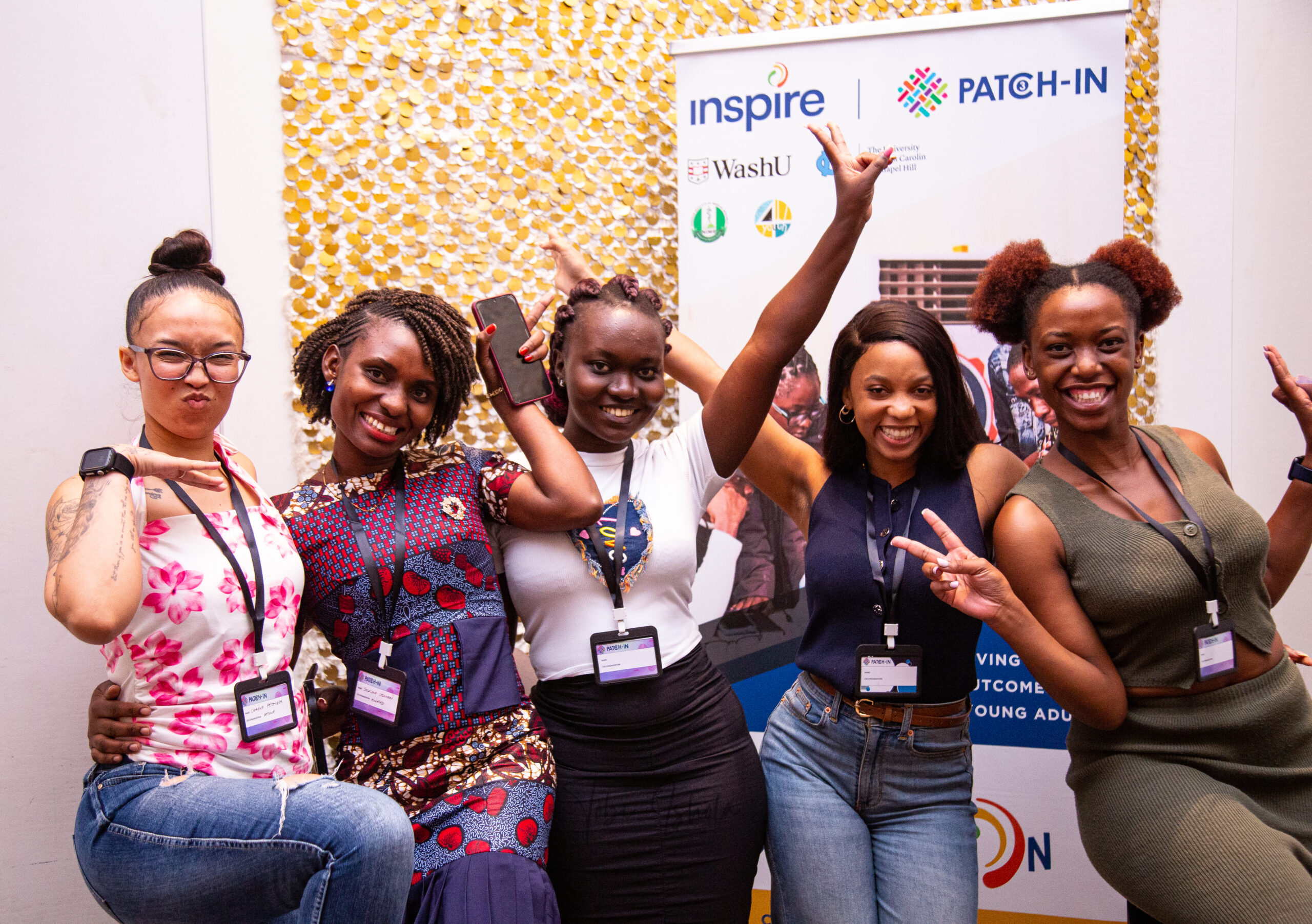
We concluded the annual meeting by announcing the Judge’s Choice and Audience’s Choice awards. As the football (or soccer for the Americans) anthem “Stand Up (For the Champions)” played, the audience erupted in celebration when Synergizing PrEP Delivery took home Judge’s Choice and BriDD won Audience’s Choice. Both winning teams received pilot funding to launch their projects over the next year, while the five remaining partnerships were awarded smaller seed grants to explore their concepts.
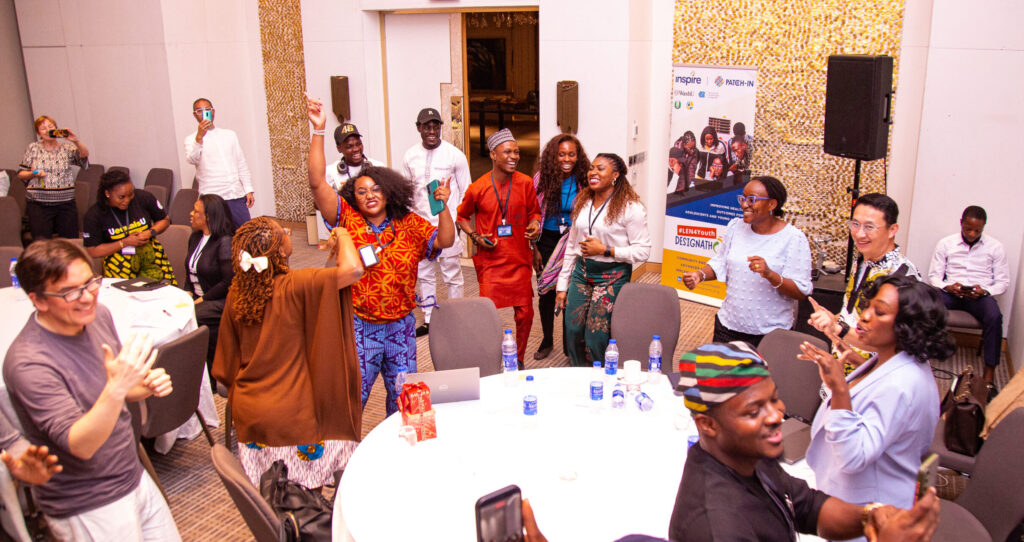
Attendees dance to “Stand Up (For the Champions)” as the winners are announced.
Since the PATC³H-IN Annual Meeting, teams have participated in INSPIRE’s Project Development Bootcamp to hone their research designs, develop community needs assessments, and prepare IRB submissions. Teams will continue to receive coaching and training over the course of the next year as they work to pilot their project ideas.
Read on to learn about each cross-PATC³H-IN team’s pitch.
About the Pitches
Please note that these are the ideas that were pitched at the annual meeting. Projects will be refined and adapted for cost and feasibility.
Synergizing PrEP Delivery | Judge’s Choice
Monica Getahun, Mackfallen Anasel , Asiphas Owaraganise
This strategic cross- CRC collaboration between MWOTAJI and MU-JHU synergizes HIV Pre-Exposure Prophylaxis (PrEP) delivery models across East Africa. The initiative addresses key landscape divergence: while MWOTAJI excels in private-sector, pharmacy-based PrEP delivery models in Tanzania, MU-JHU has encountered reluctance toward pharmacy delivery from Uganda’s Ministry of Health and local stakeholders. Conversely, MU-JHU brings established expertise in community-based models and Long-Acting Injectable (LAI) PrEP. To bridge these gaps, the collaboration leverages MWOTAJI’s data to launch a proof-of-concept pilot in 2–3 Ugandan pharmacies, while MU-JHU facilitates learning workshops to prepare Tanzania for its national LAI-PrEP rollout scheduled for January 2027.
The overarching goal of this cross-pollination is to eliminate research silos, strengthen consortium unity, and provide evidence-based advocacy to inform national health strategies in both countries.
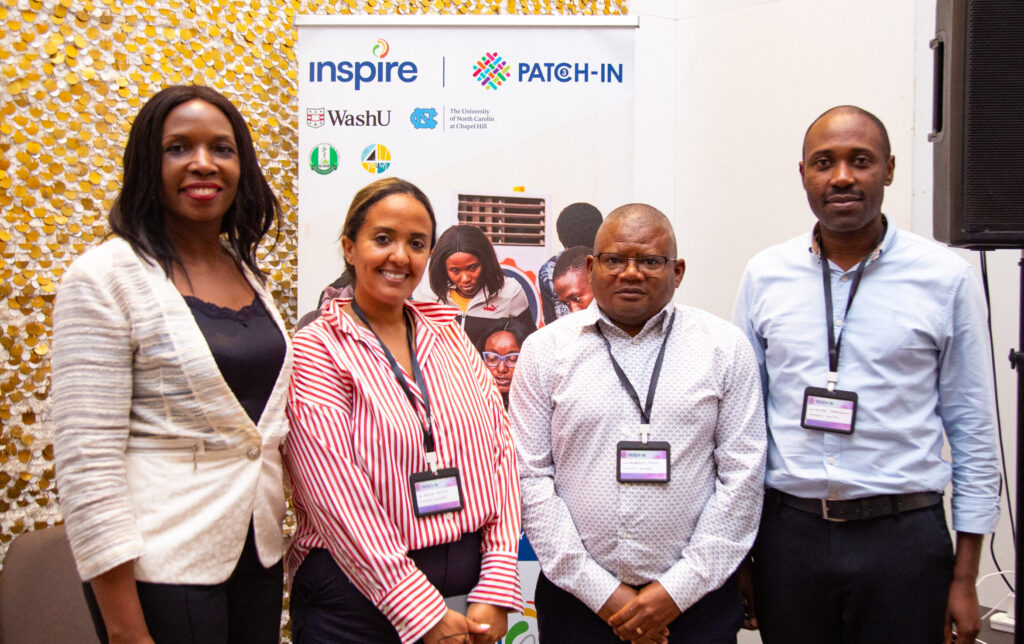
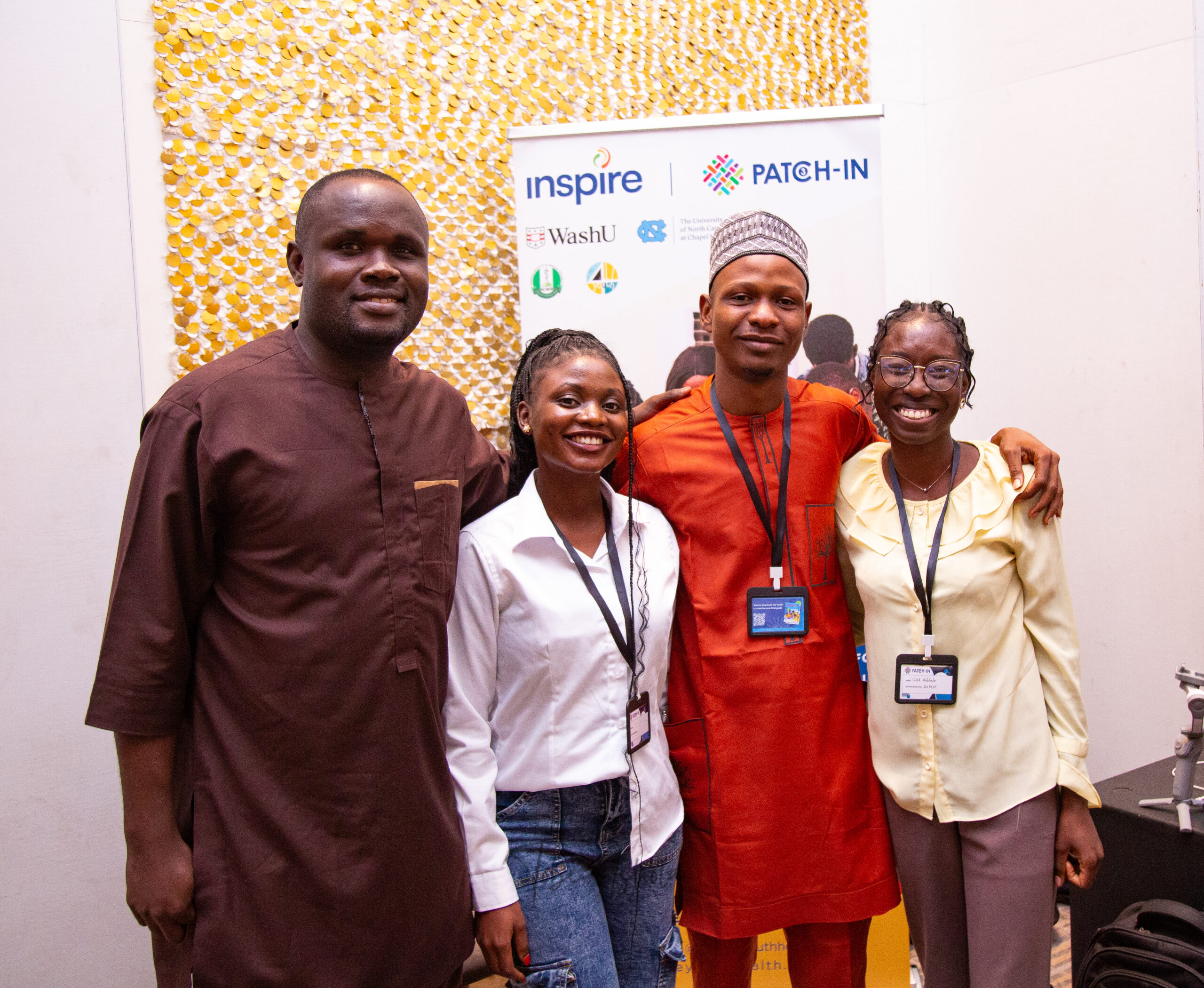
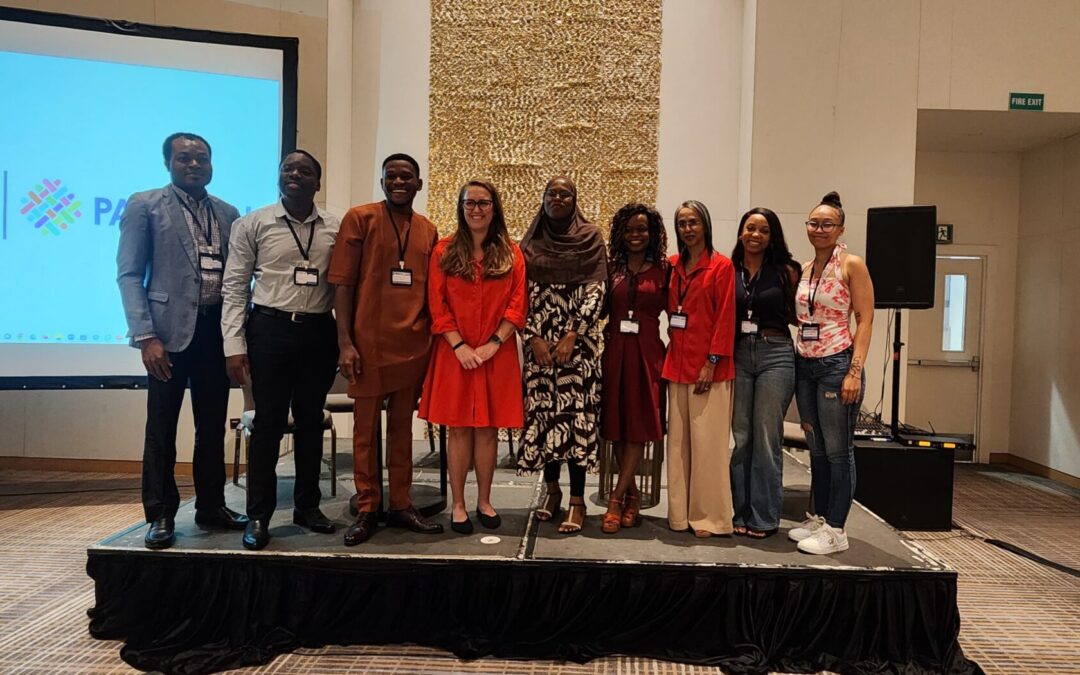
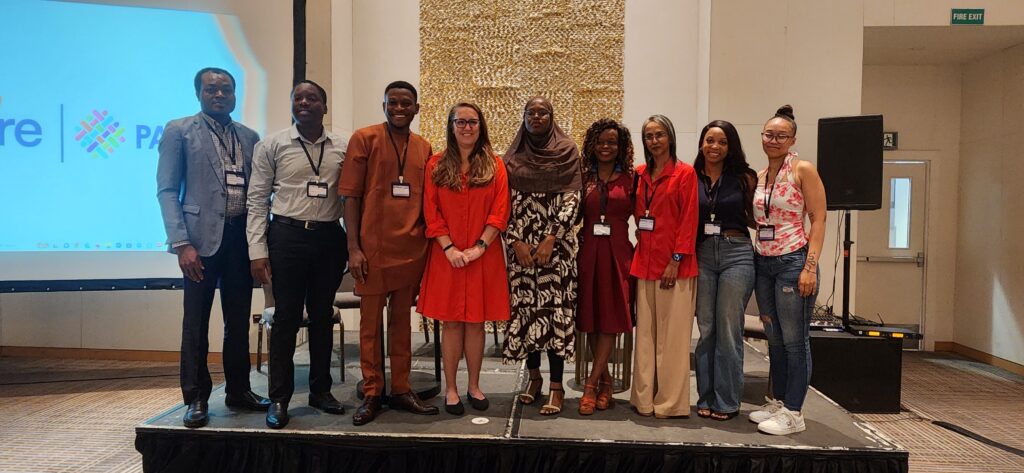
Team Synergizing PrEP Delivery poses after their pitch.
BriDD | Audience’s Choice
Benjamin Kule, Eric Aniekan, George Goji, Rodgers Katwesigye

Benjamin Kule presenting the pitch for Team BriDD.
Bridging Design and Delivery (BriDD) is a real-time, youth-centered HIV knowledge exchange initiative developed through a collaboration between iCARE Plus and MU-JHU. While peer navigation is a core component across HIV interventions, execution varies widely across clinical research centers without a shared framework for recruitment, outreach, trust-building, or retention. By combining MU-JHU’s expertise in implementation science with iCARE Plus’s scalable mHealth and peer-navigation systems, the project aims to establish a cross-CRC learning collaboration to standardize and scale effective peer navigation for diverse adolescent and young adult populations.
Through meetings across various communication platforms involving peer navigators, healthcare workers, and community leaders, the team will implement Plan–Do–Study–Act cycles to evaluate and refine practices. Ultimately, the project expects to produce a practical Peer Navigation Best Practices Toolkit for broader use.
RISE-UP
Abdulhammed Babatunde, Kelechi Chima, Abayomi Aka, Samuel Orok
RISE-UP is a collaborative project in Nigeria between S-ITEST and RISE aimed at bridging the gap between community-based and digital HIV prevention tools for adolescents and young adults (AYA). While S-ITEST brings a community-rooted model spanning 18 Community-Based Organizations (CBOs), and RISE offers digital mHealth expertise, RISE-UP combines both to create a digitally amplified, community-embedded model. The initiative seeks to adapt the RISE mobile app using co-design methods to include general and authorization-gated key population forums, non-health engaging content (such as skills and entertainment), and integrated mental health support into S-ITEST’s existing “nurturer-led” CBO structure.
The project will deploy the adapted app across six CBO sites in Lagos and Abuja, Nigeria. Trained CBO nurturers will act as digital navigators, providing tablet access during group sessions for youth without personal smartphones. Using a 12-week pilot, the study will measure primary outcomes including app feature engagement, HIV self-testing uptake, PrEP referrals, and mental health service utilization while evaluating community drivers and barriers to sustained digital engagement.
Team ZamTest
Aishat Adedoyin Koledowo, Godswill Nwoha, Lateef Akeem Blessing, Gift Adelaja, Stella Chiyonga
Team ZamTest’s proposes to integrate mental health services into existing HIV/STI care through a collaborative mother-daughter dyadic model between S-ITEST (Nigeria) and ZAIMARA (Zambia). The initiative combines S-ITEST’s extensive network of community-based organizations and peer support infrastructure across Nigeria with ZAIMARA’s proven intergenerational dyad framework and mental health-embedded curriculum. By combining these strengths, the teams seek to test a novel, two-country approach that delivers mental health screening, brief counseling, and referrals alongside HIV/STI information and PrEP discussions.
The project timeline spans initial protocol development and tool adaptation, pilot implementation, and data analysis with reporting. Key primary endpoints focus on measuring the feasibility, acceptability, screening coverage, service linkage, and mental health symptom reduction within each dyad delivery channel, alongside evaluating HIV/STI testing and PrEP uptake among adolescent girls and young women.
The Influencers
Anele Zulu, Raine Renatus, Jackie Colonery, Yolanda Mayman, Charné Petinger
The Influencers is a collaborative, youth-led activations campaign between the ATTUNE and MWOTAJI CRCs to transform youth culture into an interactive HIV engagement platform. Aimed at young people aged 15 to 24, the initiative combines peer navigation, music culture, and digital storytelling to boost HIV awareness, prevention literacy, stigma reduction, and treatment engagement. The campaign centers on launching live cultural/music events led by youth ambassadors and peer navigators, which then seed a youth-designed TikTok challenge where participants create short-form content around key HIV health modules.
By leveraging social media and live events, the project seeks to move CRCs out of isolated silos to share ideas, identify commonalities, and foster a deeper understanding of youth attitudes toward accessing HIV care.
IMARA-HMP
Beene Chitempa, Olawole Ayorinde, Tukiya Kanguya, Collins Obi, Oluwatayo Damilola
IMARA-HMP is a digital platform designed to bridge communication between adolescents and caregivers while combining sexual and reproductive health, mental health, substance use support, and emotional wellbeing. Addressing the gap in existing digital interventions—which often silo youth groups and exclude caregivers—IMARA-HMP provides an inclusive, adaptive ecosystem. Grounded in collaboration between ZAIMARA and RISE, the initiative utilizes an AI-Guided Conversation Coach, personalized pathways, mood tracking, depression screenings, and dual-user caregiver-adolescent profile syncing to facilitate open, non-judgmental dialogue around sensitive topics.
The project employs the ADAPT-ITT framework to adapt the platform across diverse youth demographics and aims to evaluate its feasibility, acceptability, and impact on family communication skills in Zambia and Nigeria. IMARA-HMP delivers a cost-effective, culturally relevant solution that strengthens family dynamics and adolescent health outcomes.
VIDA
Mwamba Mwenge, Hannah Nancy Nkhoma, Asima U. Kapalepale
Video Intervention for Daughters’ Adherence & prevention (VIDA) is a joint initiative between VS4A and ZAIMARA designed to leverage family support for adolescent girls across the HIV care continuum. Answering the World Health Organization’s 2024 call for combined prevention, treatment, and care programming, VIDA provides a single, HIV-status neutral framework that adapts to both HIV-negative and HIV-positive adolescent girls. The project brings together complementary strengths by combining ZAIMARA’s rigorous communication demonstrations with VS4A’s scalable, engaging video delivery into one efficient, cost-effective model.
The initiative involves co-creation workshops that produce a unified video library and training curriculum, branching into two distinct tracks following HIV testing: a Prevention Track focusing on healthy relationships, condom use, HIV testing, and mental health screening/referral and an Adherence Track focusing on family pill reminders, clinic visits, adherence barrier management, and mental health support.